
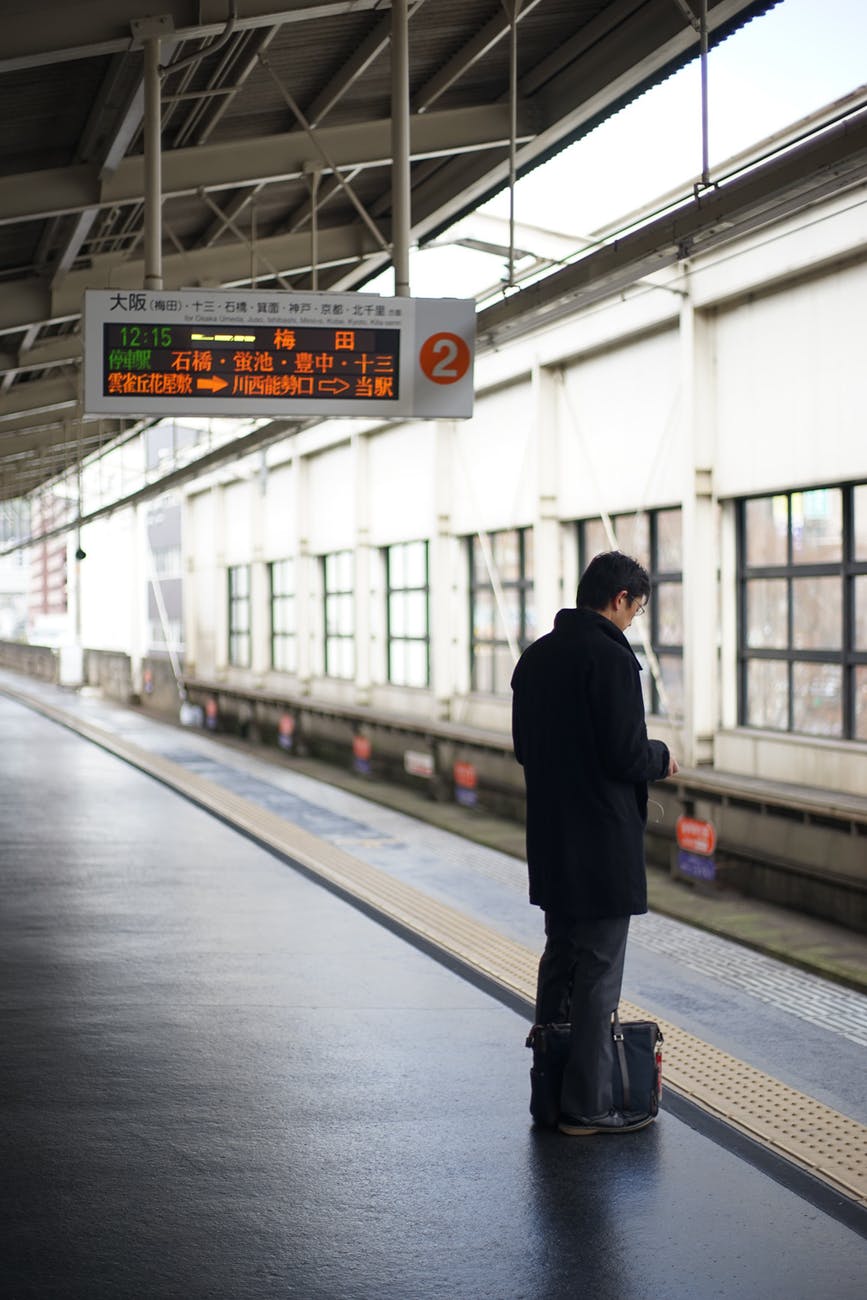
unwanted down time
Acts 23:23-35 (JDV)
Acts 23:23 He called for two of his centurions and said, “Get two hundred soldiers ready with seventy cavalry and two hundred spearmen to go to Caesarea at nine tonight.
Acts 23:24 Also provide mounts for Paul to ride and bring him safely to Felix the governor.”
Acts 23:25 He wrote the following letter:
Acts 23:26 Claudius Lysias, To the most excellent governor Felix: Greetings.
Acts 23:27 When this man had been seized by the Jews and was about to be taken away by them, I arrived with my troops and rescued him because I learned that he is a Roman citizen.
Acts 23:28 Wanting to know the charge they were accusing him of, I brought him down before their Sanhedrin.
Acts 23:29 I found out that the accusations were concerning questions of their law, and that there was no charge that merited death or imprisonment.
Acts 23:30 When I was informed that there was a plot against the man, I sent him to you right away. I also directed his accusers to state their case against him in your presence.
Acts 23:31 So the soldiers picked up Paul during the night and brought him to Antipatris as they were ordered.
Acts 23:32 The next day, they returned to the barracks, allowing the cavalry to go on with him.
Acts 23:33 When these men entered Caesarea and delivered the letter to the governor, they also presented Paul to him.
Acts 23:34 After he read it, he asked what province he was from. When he learned he was from Cilicia,
Acts 23:35 he said, “I will give you a hearing whenever your accusers also get here.” He ordered that he be kept in Herod’s palace.
unwanted down time
David Young Jr.’s words capture something Paul lived with remarkable steadiness: in the midst of trial, faithfulness is the calling, and vindication is God’s work. Paul’s imprisonment was unjust, unnecessary, and prolonged. Everyone who examined him admitted as much. Yet the injustice did not derail the mission. What looked like wasted time became gospel time. What felt like confinement became a pulpit. What seemed like delay became divine appointment.
Paul did not choose that “down time,” and he certainly did not enjoy it. But he trusted that God had not abandoned him, and that trust allowed him to see opportunity where others would see only obstruction. His captors became his congregation. His chains became his platform. His cell became his mission field. The very people who held him unjustly heard the message of Christ because he was there. And in the final assessment, as David Young Jr. reminds us, God—not Rome—would be the judge. Paul’s vindication would come, but in the meantime, his faithfulness mattered more than his freedom.
This is the hard invitation embedded in the story. Our “down time”—the seasons we did not choose, the delays we resent, the limitations we cannot escape—may be the very places where God intends to work most deeply. We often pray for escape, but God may be preparing an encounter. We often see obstacles, but God may be arranging access. We often feel forgotten, but God may be positioning us for someone who needs to hear the gospel through our endurance.
Looking back, Paul could see that none of it was wasted. Looking forward, we rarely see that clearly. But the same God who used Paul’s confinement can use our unwanted pauses, our forced stillness, our seasons of waiting. Faithfulness in trial is never futile. God weaves purpose into places we would never choose.
Lord, we trust you to use our unwanted down time for your purposes.
* Maranatha Daily Devotional “God Cares for his Own” Wednesday, January 20, 2016.


