
Galatians 6:6-10 (JDV)
Galatians 6:6 Let the one who is instructed in the word share all his good things with the instructor.
Galatians 6:7 Don’t be deceived: God is not mocked. For whatever a human plants he will also harvest,
Galatians 6:8 because the one who plants to his flesh will harvest destruction from the flesh, but the one who plants to the Breath will harvest permanent1 life from the Breath.
Galatians 6:9 Let us not get tired of doing good, because we will harvest at the appropriate season if we don’t give up.
Galatians 6:10 Therefore, since we have a season, let us work for the good of all, especially for those who belong to the household of faith.
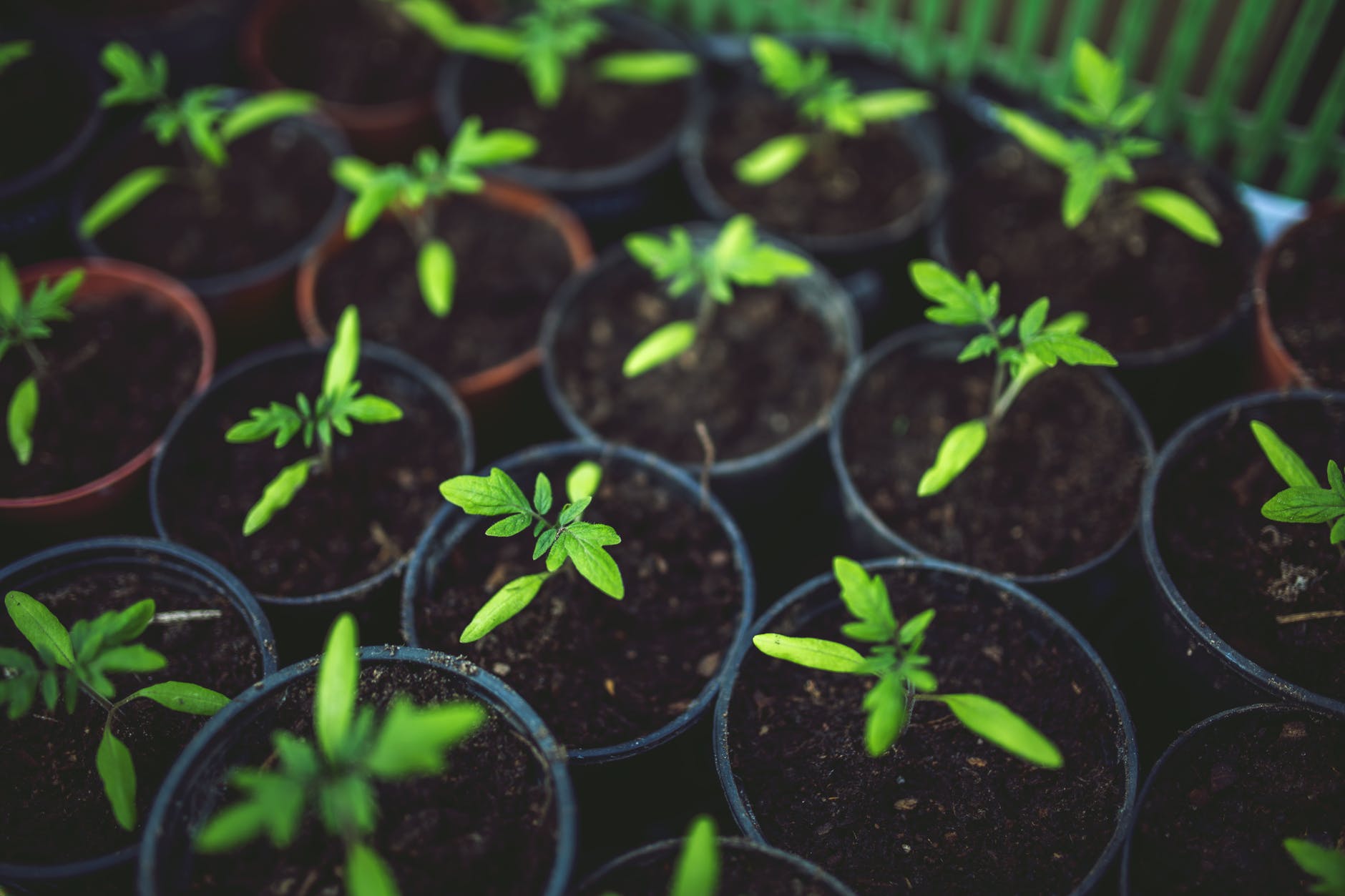
planting to harvest lifePaul’s imagery in this section gathers together several threads he has been weaving throughout the letter: resurrection life, the work of the Sacred Breath, the danger of the flesh, and the certainty of a future harvest. His language is not abstract theology; it is pastoral urgency shaped by the conviction that the Galatians are standing at a crossroads that will determine their spiritual future.
The Sacred Breath who entered them at conversion is described as a deposit—a down‑payment guaranteeing the full inheritance of permanent life. Paul’s metaphor points forward to a specific moment: the final resurrection, the last day when Christ returns and the life now hidden within believers becomes visible and complete. The Breath is both the source of present transformation and the pledge of future glory. The life believers experience now is real, but it is also anticipatory. The harvest lies ahead.
Against this backdrop, the teaching of the heretical group becomes even more dangerous. They insisted that good works were essential for securing individual salvation, turning obedience into a currency for purchasing divine acceptance. Paul and his team dismantled that idea completely. Good works are not a means of earning life; they are expressions of gratitude toward those who have shared the gospel and evidence of the Breath’s animation within. They are seeds planted in the soil of the new creation—acts of love that align with the life God has already given.
Paul’s agricultural metaphor reinforces the point. The Breath brings spiritual life, and actions shaped by that life are investments in the same future. To “sow to the Breath” is to live in harmony with the resurrection life already at work. It is to cultivate habits, attitudes, and deeds that reflect the character of Christ. These are not achievements that merit salvation; they are the natural fruit of the life God has breathed into His people.
The alternative is stark. To sow to the flesh—even within the visible church—is to invest in what leads to decay. The flesh promises control, achievement, and religious credibility, but its harvest is destruction. Paul’s warning is not theoretical. A community that embraces the flesh, whether through immorality or legalism, moves toward spiritual ruin.
Paul and his team therefore urged the Galatians to plant the right seed. The harvest is certain. The only question is whether it will be life or destruction. The Breath has given life; the call is to live in that life until the day the harvest comes in full.
Lord, give us the wisdom to plant for a harvest of life.
1αἰώνιος


