
John 11:54-57
Joh 11:54 That was why Jesus no longer walked publicly among the Jews but went away from there to the less populated area near the desert, to a town called Ephraim, and he stayed there with the disciples.
Joh 11:55 Now the Jewish Passover was near, and many went up to Jerusalem from the less populated area to set themselves apart before the Passover.
Joh 11:56 That was why they were looking for Jesus and asking one another as they stood in the temple: “What do you think? He won’t come to the festival, will he?”
Joh 11:57 The chief priests and the Pharisees had given orders that if anyone knew where he is, he should report it so that they could arrest him.
Set apart for sacrifice
The raising of Lazarus became the turning point. Up to that moment, the religious leaders had opposed Jesus, questioned Him, and tried to trap Him, but His latest miracle pushed them past the point of restraint. Bringing a man four days dead back to life was too public, too undeniable, and too threatening. They convinced themselves that eliminating Jesus was necessary for the preservation of the nation. In their minds, His death would prevent unrest, satisfy Rome, and secure their own positions. What they framed as national responsibility was, in truth, fear disguised as piety.
Word spread quickly. Influential members of the Sanhedrin instructed the public to watch for Jesus’ appearance in Jerusalem. The people wondered whether He would dare show Himself again. The city was tense with expectation. Some hoped to see Him; others hoped to seize Him. The atmosphere resembled a manhunt more than a religious festival.
Reading about William Tyndale brings an interesting parallel. Tyndale, hunted by ecclesiastical authorities for translating Scripture into English, fled from place to place, always one step ahead of arrest. His work had to be done in hiding, in exile, in constant danger. He prolonged his life and ministry by avoiding the reach of those who wanted him silenced.
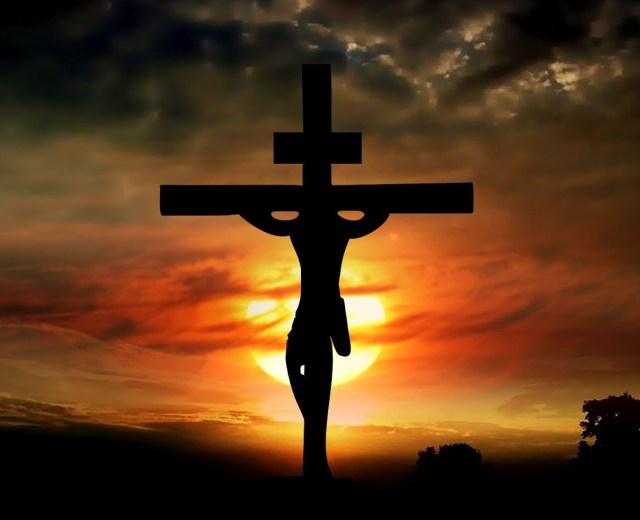
Jesus, however, did not avoid His fate. He did not flee from Jerusalem, though He could have. He did not hide His identity, though secrecy might have spared Him. He set His face toward the city where prophets died, knowing full well what awaited Him. His death was not an accident of politics or a miscalculation of timing. It was the purpose for which He came. He would die for the nation—not in the way Caiaphas imagined, but in the way God had ordained. And He would die for all nations, for all who would be gathered into one people through His sacrifice.
He consecrated Himself for that moment. He walked toward the cross with full awareness, full willingness, and full love. The fate sealed by His obedience became the salvation of the world.
A prayer rises from this reflection:
Lord, thank You for setting Yourself apart for a sacrifice that sealed Your fate and bought forgiveness for us.


