
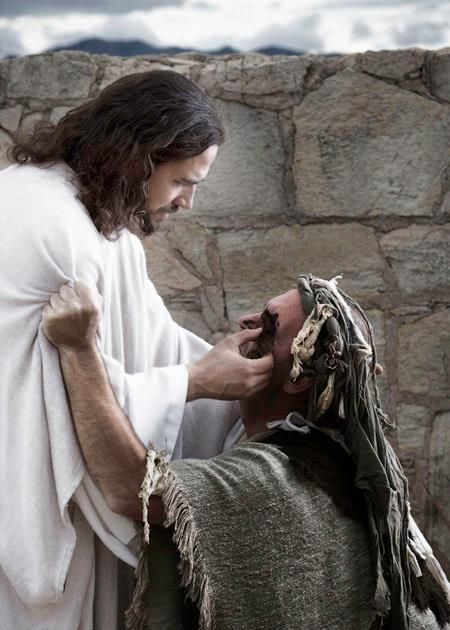
John 9:24-33
24 That was why they summoned the man who had been blind a second time and said to him, “Give glory to God. We know that this man is a sinner.”
25 That was why that person answered, “If he’s a sinner, I don’t know. One thing I do know: I was blind, and now I am seeing!”
26 That was why they said to him, “What did he do to you? How did he open your eyes?”
27 He answered them, “I said it to you already and you didn’t listen. Why do you want to hear it again? You don’t want to become his disciples too, do you?”
28 They insulted him, and said “You’re that person’s disciple, but we’re Moses’s disciples.
29 We know that God has spoken to Moses. But this person– we don’t know where he’s from.”
30 The man answered them, “Well, here is the amazing thing!; You don’t know where he is from, and yet he opened my eyes.
31 We know that God doesn’t listen to sinners, but if anyone is God-fearing and does what he wants, he listens to him.
32 From the age past, no one has ever heard of someone opening the eyes of a person born blind.
33 If this person were not from God, he wouldn’t be able to do anything.”
The amazing thing
The healed man’s bewilderment in John 9 carries a quiet ache. He knew what had happened to him. He knew the darkness he had lived in since birth, and he knew the sudden, overwhelming brightness that flooded his world after Jesus touched him. Gratitude shaped every word he spoke. What he could not understand was the reaction of those who should have understood best. The disciples of Moses—trained interpreters of Scripture, guardians of tradition, men who claimed to know the ways of God—looked straight at a miracle and refused to acknowledge its source. Their eyes were open, yet they could not see.
That tension remains one of the great mysteries of the human heart. Many read the Gospels, admire Jesus’ compassion, marvel at His authority, and acknowledge the beauty of His teaching. They may even concede that His works were extraordinary. Yet they stop short of confessing that He is who He claimed to be. The evidence is before them, but the will resists. The healed man’s question echoes across the centuries: How can those who know so much refuse to believe?
The irony is sharp. The man who had lived in literal darkness recognized the Light immediately. Those who claimed spiritual sight were blinded by their own assumptions. The miracle forced a decision, and the religious leaders chose to protect their system rather than surrender to the truth standing before them. The healed man could not fathom such resistance. He expected that anyone who saw what he had seen would draw the same conclusion he had drawn: only God could do this.
The same astonishment arises today. The world is filled with testimonies of transformed lives—addictions broken, bitterness healed, relationships restored, hearts softened, hope awakened. The fingerprints of Christ are visible everywhere His grace has touched a life. Yet many observers attribute these changes to discipline, therapy, maturity, or coincidence. Anything but Jesus. The reluctance to believe is not intellectual; it is spiritual. The human heart resists surrender until the Spirit opens it.
That there are not more believers is indeed a staggering reality. But the story of the healed man also offers hope. Some who resist today may yet believe tomorrow. Some who question now may one day bow in worship. The same Jesus who opened blind eyes continues to draw people to Himself through His words and by His Spirit.
Lord, draw people to Yourself through Your words, by the power of Your Holy Spirit, before the day of grace closes.


