
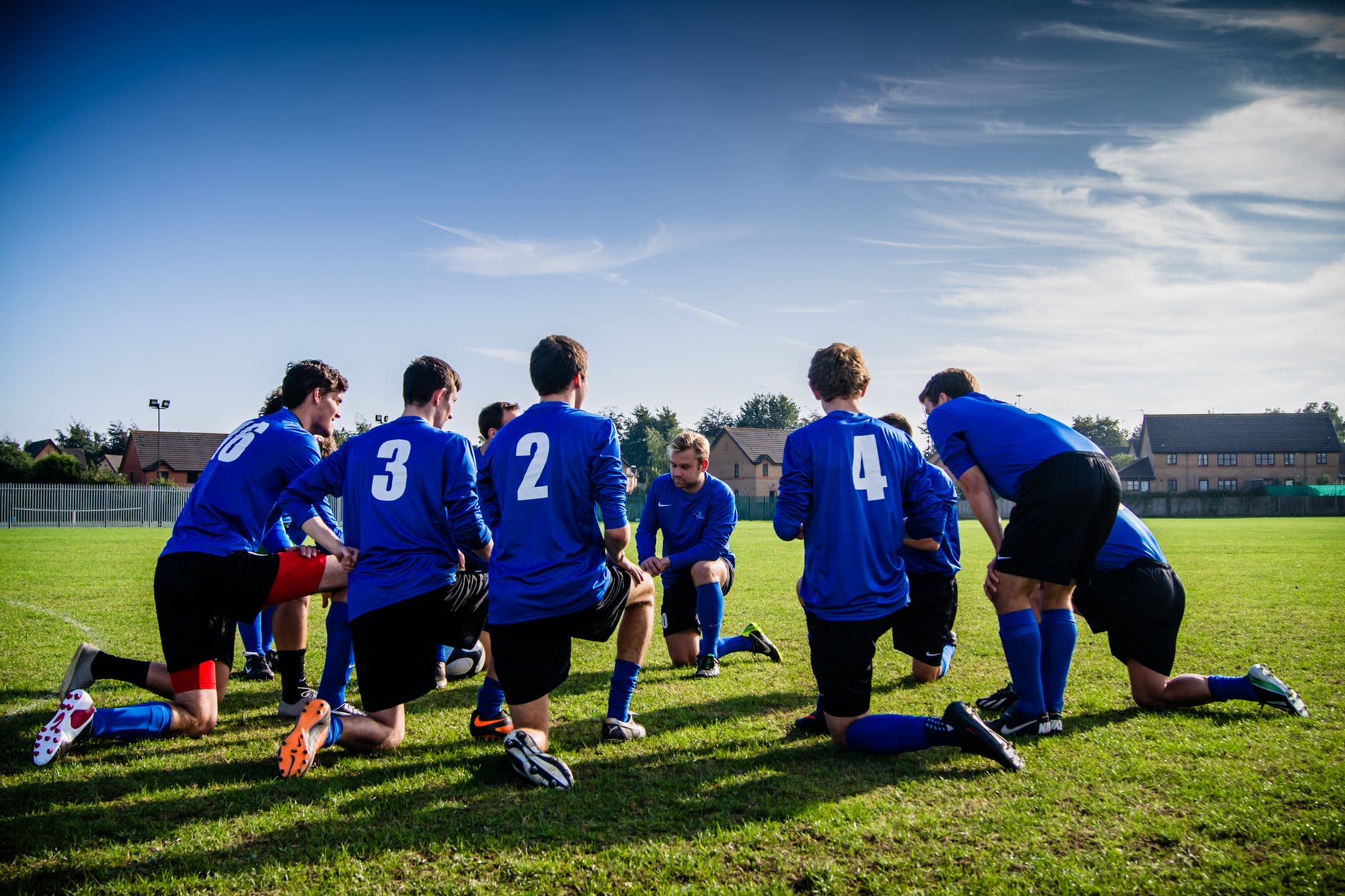
team B
Acts 20:1-6 (JDV)
Acts 20:1 After the uproar stopped, Paul sent for the disciples, encouraged them, and after saying farewell, departed to go to Macedonia.
Acts 20:2 And when he had passed through those areas and offered them many words of encouragement, he came to Greece
Acts 20:3 and stayed three months. The Jews plotted against him when he was about to set sail for Syria, and so he decided to go back through Macedonia.
Acts 20:4 He was accompanied by Sopater son of Pyrrhus from Berea, Aristarchus and Secundus from Thessalonica, Gaius from Derbe, Timothy, and Tychicus and Trophimus from the province of Asia.
Acts 20:5 These men went on ahead and waited for us in Troas,
Acts 20:6 but we sailed away from Philippi after the Day of the Unleavened. In five days we reached them at Troas, where we spent seven days.
team B
Paul’s ministry underwent a noticeable shift as the narrative progressed. Earlier journeys were marked by rapid movement, quick church plants, and brief seasons of teaching before persecution or divine direction pushed the team onward. But later in Acts, the pattern changes. The work becomes less about planting new congregations and more about strengthening, organizing, and equipping the churches already established. The missionary band itself evolves as well. What began as a single unified team gradually becomes a flexible network of coworkers who can divide responsibilities. One group remains behind to continue teaching and stabilizing a young church, while another travels ahead to pioneer, encourage, or report. The text does not list every name, but it is clear that Paul and Luke form at least part of the mobile contingent—team A—while others such as Timothy, Erastus, or various local leaders stay behind as team B to continue the work.
This adaptability is not accidental. It reflects a ministry philosophy shaped by the needs of the moment rather than by rigid structures. The early church did not operate with a single, fixed model of leadership or organization. Instead, it demonstrated a remarkable willingness to adjust its patterns to meet the demands of the mission. Sometimes Paul traveled with a large group; sometimes with one or two companions. Sometimes he stayed for years; sometimes only days. Sometimes he appointed elders immediately; sometimes he returned later to do so. The goal remained constant—making mature disciples of Christ—but the structures flexed to serve that goal.
This stands in contrast to the tendency of many churches to solidify one model and defend it as the only faithful approach. Leadership structures become fixed, ministry patterns become immovable, and the mission can become secondary to preserving the system. The New Testament offers a different vision. It presents a church willing to adapt, reorganize, and redeploy its people in whatever configuration best advances the gospel. If disciple-making is truly the central aim, then structures must serve the mission, not the other way around.
The prayer that rises from this reflection is one of formation and readiness: Lord, mold your people into teams shaped for your Great Commission. Form communities that can move, stay, divide, reunite, and reorganize as needed, always keeping the mission at the center and trusting you to guide each step.


Pingback: Acts 20 – jeffersonvann