
Ephesians 2:19-20 (JDV)
Ephesians 2:19 So then you are no longer foreigners and strangers, but fellow citizens with the devotees, and God’s household members,1
Ephesians 2:20 built on the foundation of the missionaries and prophets, with Christ Jesus himself as the cornerstone –
open gatesForeigners and strangers in ancient Israel occupied a unique and often delicate position within the life of the nation. They lived inside Israel’s borders, shared its economy, and benefited from its stability, yet they were not counted among the covenant people. The Mosaic law made clear distinctions between those who belonged to the tribes of Israel and those who did not. Foreigners lacked a tribal inheritance, which meant they had no permanent claim to land, no ancestral territory, and no place within the genealogical structure that shaped Israel’s identity. Their presence was acknowledged and even protected, but their status remained outside the covenantal core.
The law required Israel to treat these outsiders with justice and compassion. Commands to remember Israel’s own history as foreigners in Egypt served as a moral anchor, urging kindness rather than exploitation. Yet protection did not equal full participation. Foreigners could not enter the sacred spaces of the temple, could not offer sacrifices in the same way as Israelites, and could not share in the rituals that marked Israel’s relationship with God. They lived near the worship of the true God but remained observers rather than participants. Their nearness did not translate into belonging.
This arrangement belonged to the era of the old covenant, when Israel’s identity was defined by lineage, land, and law. But the coming of Christ brought a decisive shift. The cross did not merely adjust the boundaries; it erased them. The hostility that once separated Jew and Gentile was put to death in the body of Christ. The dividing wall—symbolic of all the barriers that kept outsiders at a distance—was torn down through His reconciling work.
Now, in the age of the new covenant, Gentiles who trust in Christ are no longer classified as foreigners or strangers. They are welcomed into God’s household with full rights of family membership. They are not guests in someone else’s home but living stones built into the very structure of God’s new temple. Their identity is no longer determined by ancestry or geography but by union with Christ, the cornerstone. What was once restricted to a single nation has become the inheritance of all who believe. The distance has been closed, the exclusion reversed, and the people once far off have been brought near to share fully in the life of God’s redeemed community.
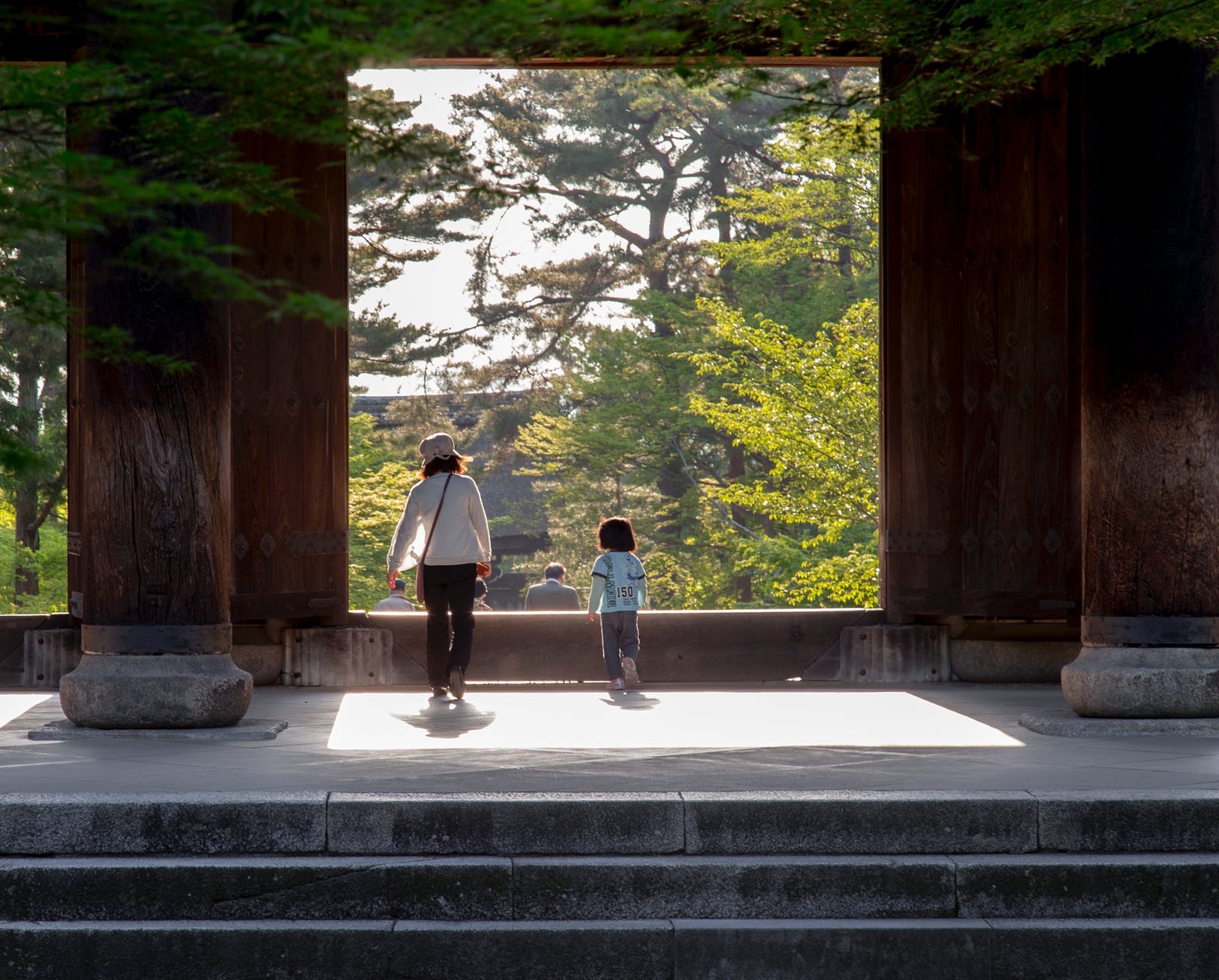
Lord, thank you for opening your gates to include all of us who believe the gospel.
1οἰκεῖος


