
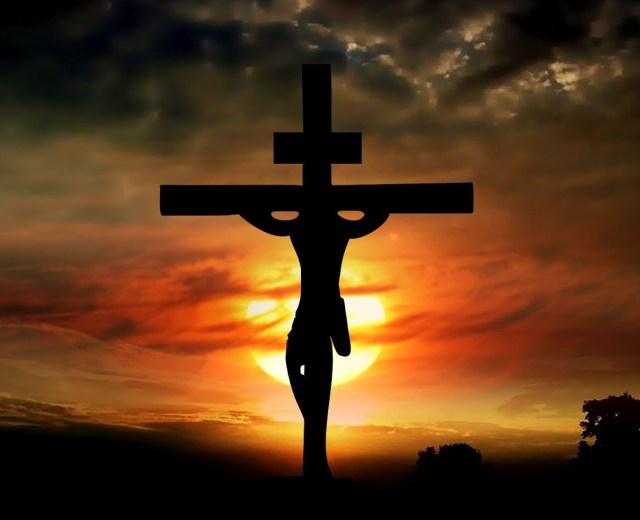
John 19:31-34
John 19:31 Since it was the preparation day, the Jews did not want the bodies to stay on the cross on the Sabbath (because that Sabbath was a great day). They requested that Pilate have the men’s legs broken and that their bodies be taken away.
John 19:32 So the soldiers came and broke the legs of the first man and of the other one who had been crucified with him.
John 19:33 When they came to Jesus, they did not break his legs since they saw that he was already dead.
John 19:34 But one of the soldiers stabbed his side with a spear, and at once blood and water escaped.
why water and blood?
The physical suffering Jesus endured was not only severe but medically devastating. The scourging, blood loss, dehydration, and exhaustion placed His body into hypovolemic shock—a state in which the heart struggles to pump because the blood volume has dropped so drastically. In such a condition, fluid often accumulates around the heart in the pericardial sac, a condition known as pericardial effusion. When the soldier pierced Jesus’ side, the mixture of blood and water that flowed out aligns with what would be expected from a body pushed beyond its limits by trauma and shock.
Yet John does not record this detail merely as a medical observation. He sees theological meaning woven into the physical reality. The water and blood flowing from Jesus’ side echo the entire sacrificial system God had established. In the Old Testament, cleansing came through both water and blood. Water symbolized purification; blood symbolized atonement. Together they pointed toward a deeper cleansing that animal sacrifices could only foreshadow.
The New Testament writers pick up this theme repeatedly:
- Hebrews speaks of purification “with blood” and being “washed in pure water.”
- John writes that “the blood of Jesus cleanses” and that He came “by water and the blood.”
- Revelation describes the redeemed as those who “washed their robes in the blood of the Lamb.”
These images are not accidental. They reveal that Jesus’ death fulfilled every symbol, every ritual, every sacrifice God had commanded. The water and blood from His side were not only the result of physical suffering; they were the visible sign that the true sacrifice had finally come. The cleansing Israel longed for, the forgiveness humanity needed, and the redemption the prophets promised all converged at that moment.
Every sacrifice before this day was temporary, incomplete, and anticipatory. But the sacrifice offered on the cross was perfect, final, and sufficient. It never needs to be repeated because it accomplished what no other offering could: permanent life for sinners, secured by the Son of God Himself.
Thank you, Lord, our sacrifice, for the cleansing that came through Your suffering, for the water and the blood that testify to the completeness of Your redeeming work.


