
20230913
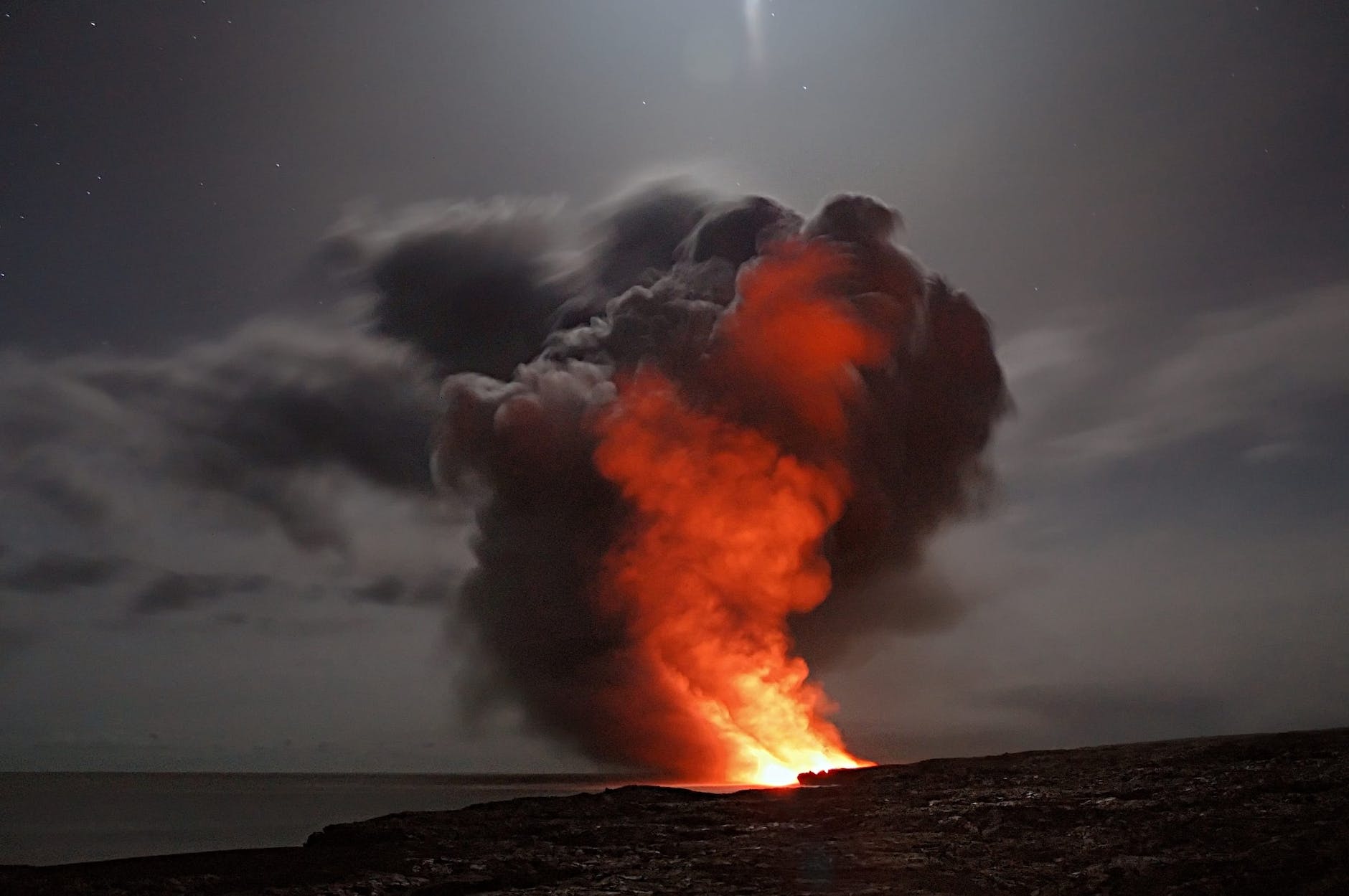
the Law instilled fear
Hebrews 12:18-21 (JDV)
Hebrews 12:18 You see, you have not come to what could be touched, to a blazing fire, to darkness, gloom, and storm,
Hebrews 12:19 to the blast of a trumpet, and the sound of words. Those who heard it begged that not another word be spoken to them,
Hebrews 12:20 for they could not bear what was commanded: If even an animal touches the mountain, it must be stoned.
Hebrews 12:21 The appearance was so terrifying that Moses said, I am trembling with fear.
the Law instilled fear
When the Law was introduced at Sinai, everything about the moment communicated distance, danger, and fear. The mountain could be touched, but no one dared touch it. The fire, the darkness, the whirlwind, the trumpet blast, and the terrifying voice all pressed one message into the hearts of the people: God is holy, and sinful humanity cannot approach Him without trembling. The physicality of the scene—what could be seen, heard, and felt—was meant to instill awe and warn Israel that the covenant they were entering required obedience and reverence. The sights and sounds were real, tangible, and overwhelming.
The new covenant, however, is introduced in an entirely different way. Instead of a mountain that burns with fire, Hebrews speaks of a city that is still to come—a city not yet visible, not yet touchable, not yet present on the earth. It is the heavenly Jerusalem, the city John saw descending from the sky when Christ returns. This city is not here yet, so it cannot be grasped with the hands or observed with the eyes. But its future arrival gives hope that is just as real as Sinai’s fire. The new covenant does not surround believers with terror; it surrounds them with promise.
This promised city represents a new kind of life—permanent, unshakable, and no longer vulnerable to death. Sinai warned of judgment; Zion promises restoration. Sinai exposed the distance between God and humanity; Zion reveals the future in which God dwells with His people. Sinai shook the earth; Zion will bring a kingdom that cannot be shaken. The contrast is deliberate. The old covenant confronted Israel with the holiness of God through physical fear. The new covenant invites believers to endure their present struggles by fixing their hope on what God will soon reveal.
Even though the city cannot yet be touched, it can be trusted. Its certainty gives strength to persevere. Its permanence gives courage to endure. Its arrival assures believers that the life to come will not be interrupted by death, sorrow, or decay. The new covenant does not remove the difficulties of the present age, but it anchors the heart in a future that is already secured by Christ. The unseen city becomes the source of present endurance, reminding believers that what is coming is far greater than what is passing away.


