false godliness

20220514

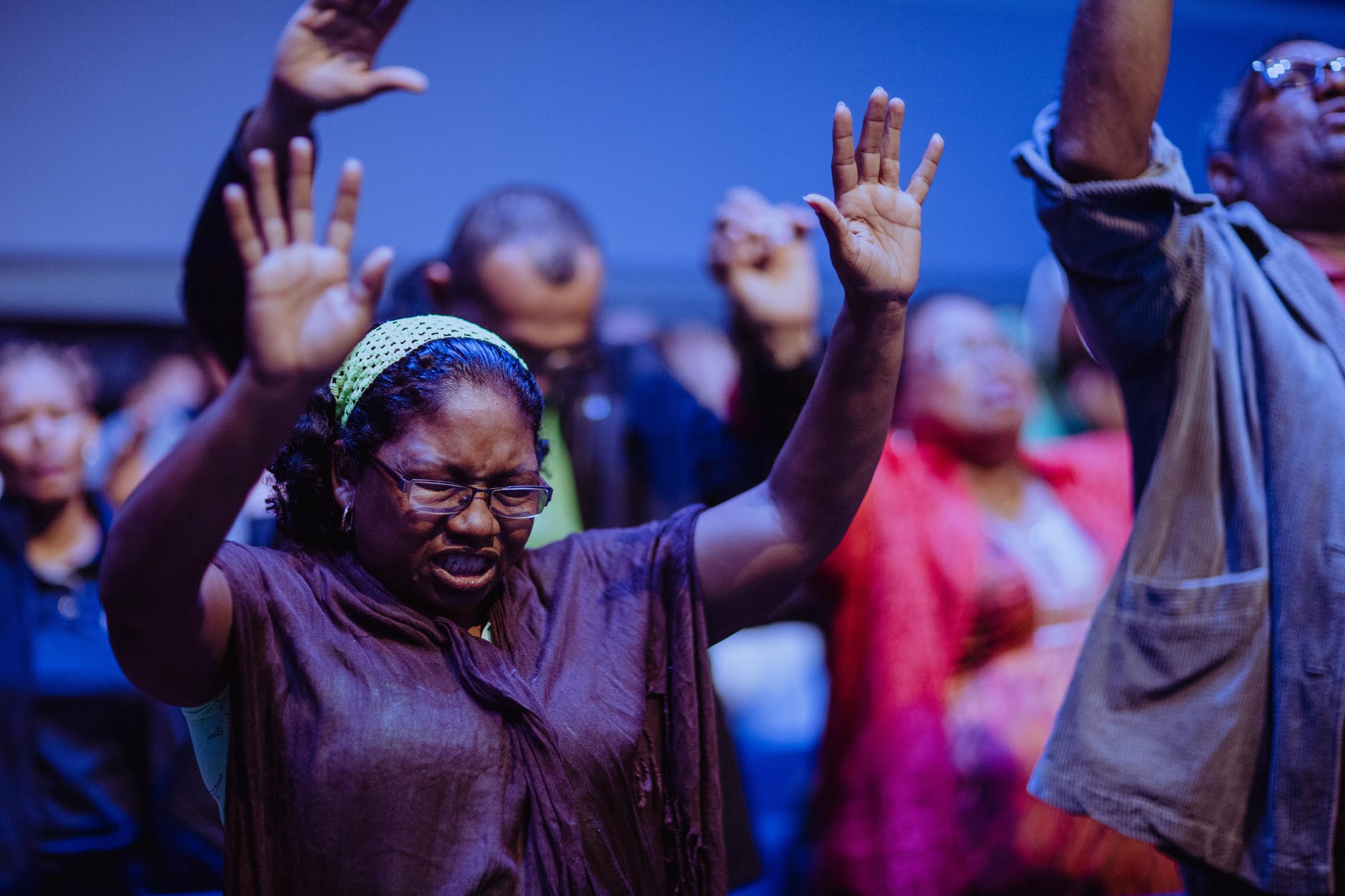
Photo by Victor Freitas on Pexels.com

false godliness

1 Timothy 4:1-5 (JDV)

1 Timothy 4:1 Now the Breath explicitly says that in later seasons some will withdraw from the faith, paying attention to deceitful breaths and the teachings of demons,

1 Timothy 4:2 through the hypocrisy of liars whose consciences are seared

1 Timothy 4:3 preventing marriage and demanding abstinence from foods that God created to be received with gratitude by those who believe and know the truth.

1 Timothy 4:4 You see, anything created by God is good, and nothing is to be rejected if it is received with thanksgiving,

1 Timothy 4:5 since it is made sacred by the word of God and by prayer.

false godliness

Paul’s warning about the rise of false teachers within the visible church is not a peripheral concern but a sober recognition of how spiritual corruption often disguises itself in religious clothing. His prediction does not envision outsiders attacking the church from beyond its walls; rather, he anticipates an internal distortion, a counterfeit version of devotion that looks impressive to the undiscerning but lacks the power to transform the heart. This false godliness is not marked by open rebellion or blatant immorality. It is marked by an appearance of seriousness, discipline, and devotion that masks an absence of spiritual life.

The distinguishing feature of these teachers is their emphasis on external practices as the pathway to holiness. Their teaching focuses on visible behaviors, measurable disciplines, and ascetic restrictions. They insist that true godliness requires abstaining from normal aspects of human life—marriage, food, and other ordinary gifts of creation. Their message is that holiness is achieved by rejecting the physical world and embracing a life of self-denial that appears spiritual but is rooted in human effort. This approach appeals to the flesh because it offers a sense of control. It allows people to feel righteous without ever confronting the deeper issues of the heart.

Paul identifies this as a form of godliness that denies its power. It has the shape, vocabulary, and posture of devotion, but it lacks the Spirit’s transforming work. It is a religion of self-improvement rather than a relationship with the living God. It is a pursuit of holiness that begins with human willpower rather than divine grace. It is a spirituality that tries to make the old self behave better rather than receiving the new heart that only God can give.

False godliness always begins with the assumption that the problem lies in the external world. If the right foods are avoided, if the right pleasures are denied, if the right disciplines are practiced, then holiness will follow. This mindset treats sin as something outside the person rather than something rooted in the desires of the heart. It imagines that righteousness can be achieved by modifying behavior rather than by being made new. It is a spirituality that rearranges the furniture in a house that is still collapsing at its foundation.

True godliness, by contrast, begins with the recognition that the problem lies within. The heart must be changed, not merely restrained. The desires must be reordered, not merely redirected. The will must be renewed, not merely strengthened. True godliness is not the result of human discipline but the fruit of divine grace. It flows from the life of God implanted in the soul. It is the outward expression of an inward transformation.

Where false godliness seeks to be different by adopting unusual practices, true godliness seeks to be holy by being united to Christ. False godliness tries to stand out by rejecting normal life; true godliness shines by living ordinary life in a way that reflects the character of God. False godliness is preoccupied with rules; true godliness is captivated by the beauty of the Lord. False godliness is driven by fear—fear of contamination, fear of failure, fear of not measuring up. True godliness is driven by love—love for the God who first loved and redeemed.

Paul’s concern is not simply that these teachers are wrong but that their teaching leads people away from the gospel. By focusing on external restrictions, they obscure the sufficiency of Christ. By elevating human effort, they diminish the work of the Spirit. By insisting on ascetic practices, they deny the goodness of God’s creation. Their teaching does not produce humility, gratitude, or joy. It produces pride in those who succeed and despair in those who fail. It creates a community where spiritual maturity is measured by visible austerity rather than by the quiet fruit of the Spirit.

The danger of this false godliness is not limited to the first century. It remains a temptation in every generation. There is always an appeal in a spirituality that can be quantified, measured, and displayed. There is always a desire to feel righteous by doing something difficult, impressive, or unusual. There is always a pull toward a form of religion that allows the heart to remain untouched while the exterior appears devout. This temptation is subtle because it often arises in contexts that value seriousness, discipline, and commitment. Yet seriousness without grace becomes severity, discipline without love becomes bondage, and commitment without Christ becomes idolatry.

True godliness does not reject the ordinary gifts of life but receives them with thanksgiving. Marriage, food, work, rest, and community are not obstacles to holiness but arenas in which holiness is lived out. The grace of God teaches the believer not to escape from the world but to live in it with purity, wisdom, and joy. The Spirit does not lead into a life of self-made restrictions but into a life shaped by the character of Christ. The gospel does not call for withdrawal from creation but for its sanctified enjoyment under the lordship of the Creator.

The contrast between false and true godliness ultimately comes down to the source of transformation. False godliness begins with the self and ends with the self. True godliness begins with God and ends in God. False godliness is a ladder built from human effort. True godliness is a life rooted in divine grace. False godliness produces people who look holy but remain unchanged. True godliness produces people who are being renewed from the inside out.

The prayer that rises from this reflection is simple and necessary: “LORD, help us to escape the temptation to pursue self-made godliness.” This is not a request to avoid discipline or seriousness but a plea to avoid the trap of substituting human effort for divine grace. It is a recognition that the heart is prone to wander toward forms of religion that feel safe because they are measurable. It is an acknowledgment that only God can create true holiness. It is a confession that the soul needs more than rules; it needs renewal. It is a desire to be shaped not by asceticism but by the life of Christ.

This prayer asks for deliverance from the subtle pride that imagines holiness can be achieved by effort. It asks for protection from teachings that distort the gospel by adding requirements God never imposed. It asks for the humility to receive the ordinary gifts of life with gratitude rather than suspicion. It asks for the Spirit to cultivate a godliness that is real, deep, and alive.

It is a prayer that trusts the God who gives new hearts, not new rules.

bbjv - 1

Posted in heresies, legalism | Tagged | Leave a comment

supernatural godliness

20220513

Photo by Arvid Knutsen on Pexels.com

supernatural godliness

1 Timothy 3:14-16 (JDV)

1 Timothy 3:14 I am writing these things to you, hoping to come to you in a short time.

1 Timothy 3:15 But if I should be delayed, I have written so that you will know how people ought to conduct themselves in God’s household, which is the congregation of the living God, the pillar and foundation of the truth.

1 Timothy 3:16 And most certainly, the mystery of godliness is great: He was manifested in the flesh, vindicated by the Breath,1 seen by angels, preached among the nations, believed on in the world, taken up in glory.

supernatural godliness

Paul’s use of the word mystery carries a very specific meaning in the New Testament. A mystery is not something puzzling or obscure; it is a reality that cannot be understood by human reasoning alone. It must be revealed by God. A mystery is a truth whose explanation lies beyond the natural world and can only be grasped when God discloses it. Jesus Himself is the supreme mystery. His incarnation, His death, His resurrection, and His exaltation cannot be explained by human logic or natural processes. They are supernatural acts of God breaking into history.

Because Jesus is the mystery revealed, His congregation becomes the earthly household of God — the family in which that mystery is preserved, proclaimed, and embodied. The church does not merely believe the mystery; it exists to declare it. The task entrusted to the congregation is global in scope. The mystery revealed in Christ is meant for the nations, and the church is the vessel through which that revelation is carried.

But Paul consistently ties the mission of proclamation to the conduct of the people who proclaim it. The message is supernatural, but the credibility of the message is often judged by the natural lives of those who bear it. The world cannot see the resurrection directly, but it can see the character of those who claim to be shaped by it. The world cannot observe the ascension, but it can observe the dignity, integrity, and godliness of the community that confesses the ascended Christ.

This is why Paul places such emphasis on behavior, reputation, and public conduct. Godliness in ordinary life becomes the platform from which the extraordinary truth of the gospel can be heard. When the congregation displays patience, humility, purity, generosity, and steadiness, it draws attention not to itself but to the God who has transformed it. The supernatural mystery becomes visible through natural lives shaped by grace.

Conversely, when the conduct of believers contradicts the message, the mystery becomes obscured. The nations may never hear the gospel clearly if the lives of those who proclaim it are marked by disorder, pride, or hypocrisy. Paul’s concern is not moralism but mission. The dignity of the congregation’s conduct is part of the strategy by which the mystery of Christ is made known.

The calling, then, is to live in such a way that the supernatural truth of Christ becomes believable to those who observe the community. Godliness is not the gospel, but it is the frame that allows the gospel to be seen. The congregation’s life becomes the stage on which the mystery of Christ is displayed to the world.

LORD, give courage to conduct life with dignity, so that the world may see that the message spoken about You is true.

1 πνεῦμα = breath. 1 Timothy 3:16; 4:1.

bbjv - 1

Posted in holiness, witness | Tagged | Leave a comment

three schools for deacons

20220512

Photo by Max Fischer on Pexels.com

three schools for deacons

1 Timothy 3:8-13 (JDV)

1 Timothy 3:8 Deacons, likewise, should be worthy of respect, not insincere, not drinking a lot of wine, not greedy for money,

1 Timothy 3:9 holding the mystery of the faith with a clear conscience.

1 Timothy 3:10 They must also be evaluated1 first; if they prove blameless, then they can serve as deacons.

1 Timothy 3:11 Wives, too, must be worthy of respect, not slanderers, self-controlled, faithful in everything.

1 Timothy 3:12 Deacons are to be husbands of one wife, managing their children and their own households competently.

1 Timothy 3:13 For those who have served well as deacons acquire a good standing for themselves and great boldness in the faith that is in Christ Jesus.

three schools for deacons

Paul’s list of qualifications for congregational leaders sets a remarkably high standard, but what stands out just as clearly is what the list does not include. There is no mention of academic degrees, formal theological training, or specialized schooling. Timothy was establishing new congregations in places where believers were often first‑generation Christians. There were no seminaries, no Bible colleges, and no time to send promising leaders away for years of study. Yet Paul still expected leaders—especially deacons—to be thoroughly prepared. Their preparation came not from academic institutions but from the lived “schools” of Christian maturity.

The first of these essential schools was the school of family life. Paul consistently treated the household as the proving ground for leadership. A person’s relationships at home revealed character more honestly than any public ministry could. Faithfulness in marriage, stability in the household, and the ability to guide and influence family members were not optional traits. They demonstrated whether a potential leader could nurture, protect, and guide the household of God. Leadership in the congregation was never meant to be detached from leadership in the home. The home was the first classroom where patience, humility, forgiveness, and responsibility were learned and tested.

The second school was the school of personal discipline. Paul emphasized self‑control as a non‑negotiable qualification. A leader who could not govern personal habits—especially in areas such as food, drink, and emotional restraint—would struggle to govern anything else. Discipline in the small, private areas of life revealed whether a person could be trusted with larger responsibilities. This was not about asceticism but about integrity. A leader whose appetites ruled them would eventually harm the congregation. The school of discipline taught steadiness, reliability, and the ability to resist impulses that could damage the community’s witness.

The third school was the school of faith in the gospel. Deacons were required to “hold the mystery of the faith with a clear conscience.” This meant more than intellectual agreement. It meant a deep, internalized grasp of the gospel that shaped conscience, behavior, and decision‑making. But Paul added another expectation: deacons needed to be able to proclaim that mystery with boldness. Their faith had to be both held firmly and expressed clearly. They were not merely administrators or helpers; they were ministers of the gospel whose lives and words pointed others to Christ. The school of faith formed leaders who were grounded in truth, confident in the message, and courageous in witness.

These three schools—family life, personal discipline, and gospel faith—produced leaders whose character matched the weight of their calling. Paul’s standards were high because the reputation of the congregation, and ultimately the reputation of the Lord, rested on the lives of those who served publicly. Academic training can be valuable, but Paul’s emphasis reminds the church that the most essential preparation for leadership is lived, tested, and proven in the ordinary arenas of life.

LORD, may the community reflect Your godliness in every sphere of life. Grant wisdom to choose leaders who honor You through their character, their discipline, and their faith.


1δοκιμάζω = evaluate.

bbjv - 1

Posted in leadership | Tagged | Leave a comment

out-front overseers

20220511

Photo by Miguel u00c1. Padriu00f1u00e1n on Pexels.com

out-front overseers

1 Timothy 3:1-7 (JDV)

1 Timothy 3:1 This saying is reliable: “If anyone aims at being an overseer, he desires a noble achievement.”

1 Timothy 3:2 That is why an overseer must be blameless,1 the husband of one wife, moderate, self-controlled, respectable, hospitable, competent to teach,

1 Timothy 3:3 not addicted to wine, not a bully but tolerant, not belligerant, not loving silver.

1 Timothy 3:4 He must manage his own household competently and have his children under control with every dignity.

1 Timothy 3:5 (If anyone does not know how to manage his own household, how will he take care of God’s congregation?)2

1 Timothy 3:6 He must not be a new convert, or he might become conceited and incur the same condemnation as the devil.

1 Timothy 3:7 Furthermore, he must have a good reputation among outsiders, so that he does not fall into disgrace and the devil’s trap.

out-front overseers

Paul’s description of congregational leadership reflects the realities of the early Christian movement, where titles were less important than character. The term pastor was not yet the common designation for local leaders. Instead, congregations were guided by overseers—those entrusted with managing the life, teaching, and direction of the community—and they were assisted by deacons, servants who supported the practical and relational needs of the congregation. What mattered most was not the title but the kind of life these leaders lived. Their character was the true credential.

Paul lists qualifications that are not about skill or charisma but about integrity. The first requirement is a solid marriage. Stability in the home was seen as evidence of stability in the heart. A leader who could not cultivate faithfulness, respect, and love within the household would struggle to shepherd the household of God. The home was the proving ground for leadership.

Next, leaders needed to demonstrate the ability to guide their children, especially adult children who were still part of the household structure of the ancient world. This was not about authoritarian control but about influence shaped by wisdom and consistency. A leader whose children lived in open rebellion would raise questions about the leader’s capacity to guide a congregation toward maturity.

Personal self‑control was also essential. Leaders were expected to be steady, disciplined, and free from the kinds of impulses that could damage the community. Self‑control included emotional steadiness, financial integrity, and moral restraint. A leader who lacked mastery over personal habits or desires could not be trusted with the spiritual well‑being of others.

Reputation mattered as well. Leaders needed to be respected not only within the congregation but also by those outside it. The surrounding community watched the behavior of believers closely, and the conduct of leaders shaped the public perception of the entire movement. A leader with a compromised reputation could bring dishonor to the name of Christ and hinder the mission.

Finally, leaders had to be tested by experience. No one was to be placed in a position of authority without first demonstrating faithfulness over time. Leadership in the congregation was not a reward for enthusiasm but a recognition of proven character. Those who had walked faithfully through challenges, temptations, and responsibilities were the ones entrusted with greater oversight.

These qualifications reveal a consistent theme: leaders stand at the front, and their lives reflect the character of the congregation they serve. Because they are visible, their conduct carries weight. Their failures can wound the community, and their faithfulness can strengthen it. For that reason, the selection of leaders must be approached with discernment, humility, and prayer. The reputation of the congregation—and ultimately the reputation of the Lord—is bound up with the lives of those who guide it.

LORD, may the community reflect Your godliness in every action. Grant wisdom to choose leaders whose lives honor You and whose character strengthens Your people.


1 ἀνεπίλημπτος = blameless. 1 Timothy 3:2; 5:7; 6:14.

2ἐκκλησία = congregation. 1 Timothy 3:5, 15; 5:16.

bbjv - 1

Posted in leadership | Tagged | 1 Comment

submitting to quiet discipleship

Photo by Hannah Stevens on Pexels.com

20220510

submitting to quiet discipleship

1 Timothy 2:11-15 (JDV)

1 Timothy 2:11 A wife should be discipled1 quietly with full submission.

1 Timothy 2:12 I do not allow a wife to teach or to have authority over a husband; instead, she is to remain quiet.

1 Timothy 2:13 You see, Adam was formed first, then Eve.

1 Timothy 2:14 And Adam was not deceived, but the wife was deceived and overstepped.2

1 Timothy 2:15 But she will be rescued through childbearing, if they stay in faith, care, and devotion, with good judgment.

submitting to quiet discipleship

Paul’s words in this passage must be read within the social world he inhabited, a world structured by strong patriarchal expectations. In such a setting, Christian communities were watched closely, and any behavior that appeared to challenge established social norms could easily be used as an excuse to dismiss or oppose the gospel. Paul was therefore navigating a delicate balance: affirming the radical equality found in Christ while also ensuring that the congregation’s public witness did not create unnecessary barriers to the message.

Within that context, Paul made certain concessions to the cultural realities of male dominance. His instruction here is not a theological endorsement of patriarchy but a pastoral strategy for mission. He discourages Christian wives from acting in ways that would be interpreted as socially disruptive or domineering. Instead, he encourages them to embrace a posture of quiet discipleship — not because they are inferior, but because such behavior would prevent outsiders from misunderstanding the Christian movement as a threat to social order.

Paul supports this point by referring to Eve. His reference is not meant to blame women or diminish their worth. Rather, he uses Eve as an example of someone who made a mistake yet received God’s rescue and forgiveness. The emphasis is on God’s grace, not on Eve’s failure. By invoking her story, Paul reminds the congregation that God restores those who stumble and that humility before God is the path to growth. The example reinforces the idea that discipleship involves learning, receiving, and being shaped by God’s instruction.

Paul’s objective is not to “put women in their place.” His broader teaching makes this clear. In Galatians 3:28 he proclaims that in Christ there is neither male nor female — a statement that radically undermines the idea of inherent gender hierarchy. But Paul also understood that the surrounding culture was not ready to embrace that truth. If Christian wives publicly displayed their newfound freedom in ways that appeared to challenge social expectations, unbelievers might seize upon that behavior as a reason to reject the gospel altogether. Paul’s concern is missional: he wants nothing in the congregation’s conduct to create unnecessary obstacles to faith.

For that reason, he encourages Christian wives to voluntarily adopt a posture that would be respected in their cultural setting. This was not a command rooted in divine preference but a concession to cultural reality. The goal was to keep the door open for the gospel, not to enshrine patriarchy as a permanent ideal.

There are still cultures today where similar considerations apply. In some societies, public behavior by Christian wives can either open or close doors for the gospel, depending on how it is perceived. In such contexts, Paul’s pastoral wisdom remains relevant. But the long‑term trajectory of the gospel points toward the full equality of all believers. The hope is that societies will eventually outgrow the need for such concessions, recognizing that God shows no partiality and that all are one in Christ.

LORD, form communities that honor the gospel in every culture, and hasten the day when all may live out the fullness of equality found in Christ without hindrance.

______________________

1 μανθάνω = be discipled. 1 Timothy 2:11; 5:4, 13.

2παράβασις = overstep.

bbjv - 1

Posted in discipleship, submission | Tagged | Leave a comment

praying in public

20220509

Photo by Luis Quintero on Pexels.com

praying in public

1 Timothy 2:8-10 (JDV)

1 Timothy 2:8 That is why I want the husbands1 in every place to pray, lifting up holy hands without anger or argument.

1 Timothy 2:9 wives2 should pray in the very same way, dressing themselves in modest clothing, with decency and good judgment, not with elaborate hairstyles, gold, pearls, or expensive apparel,

1 Timothy 2:10 but with good achievements,3 as is proper for wives who profess to worship God.

praying in public

Paul’s instruction in this portion of the letter is often read through the lens of modern debates about gender, but the context shows that his concern is not primarily about assigning roles. His focus is on the public witness of the Christian community, especially in light of what he has just said about praying for rulers and authorities. If the congregation is to pray for political leaders, then the way believers conduct themselves in public worship should reinforce, not undermine, that prayer. The issue is not hierarchy but reputation — the reputation of Christ and His people in the eyes of the surrounding society.

Paul envisions a setting in which Christian husbands and wives gather for prayer in a world where their behavior is observed by magistrates, governors, and civic leaders. These officials held real power over the lives of believers, and their impressions of the Christian movement could influence whether the congregation experienced justice or hostility. In that environment, public worship was not a private matter. It was a visible testimony to the character of the faith.

For that reason, Paul urges husbands to pray “without anger or argument.” In a culture where men were often expected to assert dominance, respond aggressively to insult, and defend honor through confrontation, a Christian man who prayed with a calm and peaceable spirit stood out. Such behavior demonstrated self‑control, humility, and trust in God. It also signaled to governing authorities that these believers were not agitators or threats to public order. A man who could restrain anger in worship was more likely to be seen as someone who would act justly in society.

Paul then turns to wives, urging them to pray with modesty and sensible attire. The concern is not to restrict women but to ensure that their public appearance reflects the dignity and seriousness of their faith. In the ancient world, clothing could communicate social status, wealth, or even moral reputation. A woman who dressed modestly in worship signaled reverence for God and respect for the community. Her appearance would not distract from prayer or draw attention to herself but would instead honor the Lord. Such conduct would earn respect from observers, including civic leaders, who valued decorum and propriety.

Taken together, these instructions show that Paul is not arguing against equality. He addresses both husbands and wives, expecting both to uphold the honor of Christ in public. The responsibility is shared. Each is called to embody the gospel in ways that reflect well on the congregation and remove unnecessary obstacles to its mission. The goal is not to elevate one gender over another but to ensure that the public witness of the church is consistent, credible, and worthy of the name of Christ.

Paul’s concern is that Christian worship should not bring shame upon the gospel by drawing attention to personal behavior, pride, or disorder. Instead, it should display the beauty of a transformed community — one marked by peace, humility, modesty, and integrity. When believers conduct themselves in this way, their lives reinforce their prayers for rulers and create an environment in which the gospel can be heard without distraction.

LORD, shape the public witness of the congregation so that nothing in behavior or appearance detracts from the honor of Christ, and grant grace to live in ways that reflect the faith professed.

________

1 ἀνήρ = husband (when compared to wife). 1 Timothy 2:8, 12; 3:2, 12; 5:9.

2 γυνή = wife (when compared to husband). 1 Timothy 2:9-12, 14; 3:2, 11-12; 5:9.

3ἔργον = achievement. 1 Timothy 2:10; 3:1; 5:10, 25; 6:18.

bbjv - 1

Posted in equality, prayer | Tagged | Leave a comment

a ransom for all

20220508

Photo by Pixabay on Pexels.com

a ransom for all

1 Timothy 2:5-7 (JDV)

1 Timothy 2:5 You see, there is one God and one mediator between God and humans, the human Christ Jesus,

1 Timothy 2:6 who gave himself as a ransom for all, a testimony at the proper season.1

1 Timothy 2:7 I was appointed a herald for this, a missionary (I am telling the truth; I am not lying), and a teacher of the Gentiles in faith and truth.

a ransom for all

Paul had urged Timothy to continue fighting for the faith, but immediately after doing so he grounded that fight in a profound theological truth: Christ is the one mediator between God and humanity, and He gave Himself as a ransom for all. At first glance, this statement might seem to suggest universal salvation. If Christ ransomed all, then all must be saved. But Paul’s own exhortation to “fight the good fight” shows that this cannot be his meaning. If salvation were automatic and universal, there would be no need for Timothy to guard the gospel, confront false teaching, or persevere in ministry. A guaranteed outcome requires no struggle. The very existence of the fight proves that the ransom, though sufficient for all, is not applied to all.

Paul’s emphasis lies elsewhere. His concern is the universal scope of Christ’s mediatorial work, not the universal effect. In the context of 1 Timothy, Paul is addressing a congregation tempted to narrow the reach of the gospel. Some were inclined to think in ethnic categories, imagining that God’s saving purpose was primarily for the Jewish people or for a select spiritual elite. Paul counters this by insisting that Christ’s ransom extends to all — meaning all kinds of people, both Jew and Gentile, slave and free, male and female, rulers and subjects. No group is excluded from the possibility of salvation. The ransom is universally sufficient, but it becomes effective only through faith.

The language of mediation reinforces this point. Christ is the one mediator, the only bridge between God and humanity. No priest, ritual, or spiritual being can take His place. His death on the cross was a sacrifice of infinite worth, fully adequate to save every person who comes to Him. But a sacrifice, no matter how perfect, must be embraced. It must be received in faith. Paul’s theology consistently holds these two truths together: the universal sufficiency of Christ’s atonement and the particular application of that atonement to those who believe.

This understanding also fits Paul’s missionary urgency. If Christ’s ransom is for all kinds of people, then the gospel must be proclaimed to all kinds of people. The church cannot restrict its mission to those who seem receptive or familiar. The ransom opens the door for a global proclamation. The fight for the faith includes the fight to ensure that the message of Christ reaches every corner of humanity.

Paul’s statement therefore becomes both a theological anchor and a missionary mandate. Christ alone mediates salvation. His sacrifice is enough for all. But the saving effect of that sacrifice is experienced only by those who trust in Him. This truth fuels the struggle, shapes the mission, and guards the church from narrowing the reach of God’s grace.

LORD, thank You for Jesus, the one mediator who gave Himself as a ransom for all, and for the grace that makes salvation available to every person who believes.


1καιρός = season. 1 Timothy 2:6; 4:1; 6:15.

bbjv - 1

Posted in atonement, Jesus Christ, the cross | Tagged | Leave a comment

how to start fighting

Photo by Ivan Samkov on Pexels.com

how to start fighting

20220507

1 Timothy 2:1-4 (JDV)

1 Timothy 2:1 First of all, then, I urge that petitions, prayers, intercessions, and thanksgivings be made for every human,1

1 Timothy 2:2 for kings and all those who are in authority, so that we may lead a tranquil and quiet life in all godliness and dignity.

1 Timothy 2:3 This is good, and it pleases God our Savior,

1 Timothy 2:4 who wants every human to be saved and to come to the knowledge of the truth.

how to start fighting

Paul had just urged Timothy to “fight the good fight,” but before describing any strategies, he identified the first and most essential act of preparation. In ordinary warfare, preparation involves strengthening the body, sharpening the mind, and developing tactical skill. Spiritual conflict, however, begins somewhere entirely different. The first movement in the fight is not self‑assertion but intercession. Paul directs Timothy to begin the battle on his knees.

The instruction is specific. Timothy is to offer prayers, petitions, and intercessions for those in positions of authority. Paul names rulers, magistrates, governors, and even the emperor. These were not abstract categories; they were real individuals whose decisions shaped the daily lives of the congregations under Timothy’s care. Some of these leaders were indifferent to the Christian movement, some were suspicious of it, and some were openly hostile. Yet Paul does not qualify the command. The call to pray for leaders is not dependent on their character, their policies, or their alignment with Christian convictions. It is rooted in the belief that God remains sovereign over all earthly authority and that prayer is a means by which the church participates in God’s governance of the world.

The purpose of these prayers is also clearly stated. Paul does not instruct Timothy to pray that rulers will adopt the church’s political preferences or embrace a particular ideology. The goal is far more foundational: that those in authority will make decisions that allow for a peaceful and stable society. Such an environment enables the congregation to live out its calling with dignity, to practice discipleship without unnecessary disruption, and to proclaim the gospel freely. Peaceful conditions do not guarantee faithfulness, but they create space in which faithfulness can flourish. Paul’s concern is missional, not partisan. He envisions a society where the church can carry out its work unhindered, where the message of Christ can be heard, and where believers can live lives marked by godliness and integrity.

This perspective reframes the act of praying for leaders. It becomes an expression of trust in God’s providence and an acknowledgment that the mission of the church is not advanced through coercion or political dominance but through faithful witness. Intercession for rulers is a way of seeking the common good, recognizing that the flourishing of the congregation is connected to the stability of the broader community. It is also a way of resisting the temptation to view political authority as an enemy to be defeated rather than a sphere in which God can work.

Such prayer requires humility. It asks believers to release the desire to control outcomes and instead to seek God’s wisdom for those who govern. It calls for consistency, not selective engagement based on personal preference. It invites the congregation to participate in God’s redemptive purposes for the world, even through leaders who may not share their convictions. This kind of intercession becomes a spiritual discipline that shapes the heart, teaching dependence on God rather than on human power.

Paul’s instruction also implies that prayer is not passive. It is an active engagement in the spiritual realities that underlie political and social structures. By praying for leaders, the congregation acknowledges that the true battle is not against flesh and blood but against the forces that distort justice, sow division, and hinder the spread of the gospel. Prayer becomes the first act of resistance against these forces and the first act of cooperation with God’s purposes.

This teaching challenges any tendency toward cynicism or disengagement. It affirms that God is at work even in imperfect systems and through imperfect leaders. It calls the congregation to be faithful in prayer, trusting that God can use their intercession to create conditions in which the gospel can advance and discipleship can deepen.

LORD, turn leaders toward decisions that open space for the gospel and for the witness of biblical truth. Turn hearts toward consistent intercession for those who govern, that the mission of Christ may flourish in peace.


1ἄνθρωπος = human. 1 Timothy 2:1, 4-5; 4:10; 5:24; 6:5, 9, 11, 16.

bbjv - 1

Posted in leadership, prayer, spiritual warfare | Tagged | Leave a comment

Hymenaeus and Alexander

20220506

1 Timothy 1:18-20 (JDV)

1 Timothy 1:18 Timothy, my son, I am giving you this instruction in keeping with the prophecies previously made about you, so that by recalling them you may fight the good fight,

1 Timothy 1:19 having faith and a good conscience. Some have rejected these and have shipwrecked their faith.

1 Timothy 1:20 Among them are Hymenaeus and Alexander, whom I have delivered to Satan, so that they may be taught not to malign God.

Paul’s mention of Hymenaeus and Alexander lands with a kind of sober weight. These were not outsiders. They were not pagans hostile to the gospel. They were insiders—men who had once professed faith, once stood among the believers, once claimed allegiance to Christ. Something happened in them, and the direction of their lives reversed. Instead of confessing Christ, they began maligning Him. Instead of building up the church, they began tearing at its foundations. Their trajectory had shifted from discipleship to defection.

Paul’s response is twofold: he urges Timothy to keep fighting the good fight, and he hands these two men over to the consequences of their own choices. Both actions reveal something essential about the nature of faith, perseverance, and divine mercy.

The theological tension here is real. Paul speaks of people who once professed faith and now oppose the truth. That raises the question: can someone with genuine faith abandon it? Paul elsewhere insists that true faith is God’s gift, sustained by God’s power, rooted in God’s calling. If salvation depends on divine grace, not human effort, then it cannot be undone by human fickleness. Yet Scripture also shows people who appear to believe, walk for a time with the community, and then turn away. The tension lies between appearance and reality, between profession and possession.

Paul does not claim that Hymenaeus and Alexander were once regenerate and now unregenerate. He simply states the observable fact: they once stood with the church, and now they oppose it. Their defection is real, but Paul does not presume to know the final state of their souls. He does not declare them lost. He does not pronounce final judgment. Instead, he “delivers them to Satan”—a phrase that sounds harsh but is actually hopeful. It means he releases them to the consequences of their rebellion, removing the protective covering of the church so that the painful results of their choices might awaken them. The goal is not destruction but restoration. Paul hopes they will learn not to blaspheme. He believes that the shock of spiritual exile may bring them back.

This is consistent with Paul’s understanding of discipline elsewhere. When someone persists in destructive sin, the church steps back so that the person may feel the weight of separation and return in repentance. It is a severe mercy, a last resort meant to save, not condemn. Paul’s action toward Hymenaeus and Alexander is not abandonment; it is intervention.

Timothy, meanwhile, is urged to keep fighting the good fight. The contrast is intentional. Some defect. Some persevere. Some reverse course. Some remain faithful. Timothy is to stand firm, not because he is stronger than others, but because he is anchored in the calling God placed on his life. Paul’s exhortation is not a call to self‑reliance but to steadfastness rooted in grace. The fight is not against flesh and blood but against the forces that seek to distort truth, corrupt hearts, and derail the mission of the gospel.

The question that arises from this passage is not abstract. It is deeply personal. Where does a person stand in this picture? Some are like Timothy—still fighting, still believing, still holding fast even when the work is hard, and the pressures are real. Some are like Hymenaeus and Alexander—once aligned with the truth, now drifting or even opposing it. Some are still deciding, weighing whether Christ is worth their allegiance, whether the gospel is worth their surrender, whether the fight is worth entering.

But neutrality is not an option. Paul’s imagery does not allow for spectators. A person is either fighting the good fight or drifting into defeat. A person is either moving toward Christ or away from Him. A person is either under the care of the Shepherd or exposed to the dangers outside His fold. The choice cannot be sidelined indefinitely. To delay is to drift.

The prayer that rises from this reflection is one of courage and perseverance.

May the Lord give strength to those who are weary, clarity to those who are uncertain, and mercy to those who have wandered. May He draw hearts back to Himself, restore those who have reversed course, and sustain those who continue to fight the good fight. And may all who hear these words find the courage to choose Christ and remain with Him until the end.

_______________________________

1 βλασφημέω = malign. 1 Timothy 1:20; 6:1.

bbjv - 1

Posted in commitment, conflict, faith, rebellion | Tagged | Leave a comment

believing for permanent life

Photo by Patricia McCarty on Pexels.com

20220505

believing for permanent life

1 Timothy 1:15-17 (JDV)

1 Timothy 1:15 This saying is reliable and deserving of full acceptance: “Christ Jesus came into the world to save sinners” – and I am the first of them.
1 Timothy 1:16 But I received mercy for this reason, so that in me, the first of them, Christ Jesus might demonstrate his extraordinary patience as an example to those who would believe in him for permanent life.
1 Timothy 1:17 Now to the King of the ages, immortal, invisible, the only God, be honor and glory for ages and ages. Amen.

believing for permanent life

Paul’s summary in this section of 1 Timothy is one of the clearest, richest distillations of the Christian faith found anywhere in Scripture. It is compact enough to memorize, yet expansive enough to carry the weight of the entire gospel. Paul is not offering abstract theology; he is bearing witness to the truth that rescued him, reshaped him, and redirected the entire course of his life. His words are personal, pastoral, and universal all at once.

Paul begins with the foundation of his faith: the work of Jesus Christ. He does not point to his own achievements, his own zeal, or his own religious pedigree. He had tried all of that, and it had led him into blindness and violence. His confidence rests entirely on the fact that “Christ Jesus came into the world to save sinners.” That is the center of the gospel. Salvation is not the result of human effort reaching upward; it is the result of divine mercy reaching downward. Christ came. Christ acted. Christ saved. Paul’s faith is not self‑referential; it is Christ‑referential. He knows that no one, including himself, could ever have been saved unless Christ had entered the world, taken on flesh, borne sin, and risen from the dead. The gospel is not advice about how to improve; it is news about what Christ has done.

Paul then describes himself as “first of sinners.” This is not rhetorical exaggeration. It is the honest confession of a man who has seen the truth about his own heart. He remembers who he was: a blasphemer, a persecutor, a violent man. He remembers the damage he caused, the fear he inflicted, the pride that drove him. He does not minimize his past or excuse it. He places himself at the front of the line of those who deserve judgment. This confession is not self‑hatred; it is clarity. It is the recognition that sin is not measured by outward respectability but by inward rebellion. Paul sees himself as the first in line for hell because he knows the depth of his own resistance to God’s grace before Christ intervened.

From this confession flows his second great emphasis: the mercy of God. Paul’s life is a living testimony to divine mercy. He had not earned compassion. He had not sought forgiveness. He had not softened his heart. Christ met him in his rebellion and showed him mercy. Dr. John Roller’s definition captures the heart of this truth: mercy is “God’s kindness in not giving us the things that we deserve.” What Paul deserved was judgment. What he received was mercy. What he earned was condemnation. What he was given was grace. Paul’s entire theology of salvation is built on this contrast. The law reveals what sinners deserve. The gospel reveals what God gives instead. Mercy is not a small kindness; it is the difference between destruction and life.

Paul’s third emphasis is his trust in the immortal God who raises the dead. Paul does not believe in an immortal soul that naturally survives death. He believes in an immortal God who promises resurrection. He does not expect to keep living after he dies; he expects to be raised from the dead by the power of Christ. He does not claim to possess permanent life already; he looks forward to receiving it at the last day. His hope is anchored in the words of Jesus: “I will raise him up at the last day.” Paul’s faith is resurrection faith. It is not based on human speculation about the afterlife but on the promise of the One who conquered death. Permanent life is not inherent in humanity; it is a gift given by God through resurrection.

This is why Paul’s summary is so powerful. It holds together the three essential elements of the Christian faith: Christ’s saving work, God’s overflowing mercy, and the promise of resurrection life. Remove any one of these, and the gospel collapses. Keep them together, and the gospel shines with its full brilliance. Paul’s testimony is not merely personal; it is paradigmatic. It shows how every believer comes to God: not by measuring up, but by confessing sin; not by earning mercy, but by receiving it; not by possessing immortality, but by trusting the God who raises the dead.

The invitation that flows from this truth is both urgent and hopeful. Permanent life is not automatic. It is not guaranteed by birth, morality, or religious effort. It is received through faith in Christ, who alone can raise the dead. Temporary life is all that anyone has apart from Him. But in Christ, permanent life becomes a promise, a hope, and a future. The call is simple: believe in Christ and be raised to life again—permanently.

The prayer that rises from this reflection is filled with gratitude and longing. Gratitude for the mercy that has been shown to all who do not measure up. Longing for others to hear these words and be drawn to the Savior who gives life.

May the Lord use this truth to awaken hearts, to stir faith, and to bring many into the hope of resurrection and the joy of permanent life in Him.

Posted in eternal life, faith | Tagged | Leave a comment