
the Caesarea miracle
Acts 10:44-48 (JDV)
Acts 10:44 While Peter was still speaking these words, the Sacred Breath came down on all those who heard the message.
Acts 10:45 The circumcised believers who had come with Peter were amazed because the gift of the Sacred Breath had been poured out even on the Gentiles.
Acts 10:46 For they heard them speaking in other languages and declaring the greatness of God. Then Peter reacted,
Acts 10:47 “Can anyone withhold water and prevent these people from being baptized, who have received the Sacred Breath just as we have?”
Acts 10:48 He commanded them to be baptized in the name of Jesus Christ. Then they asked him to stay for a few days.
the Caesarea miracle
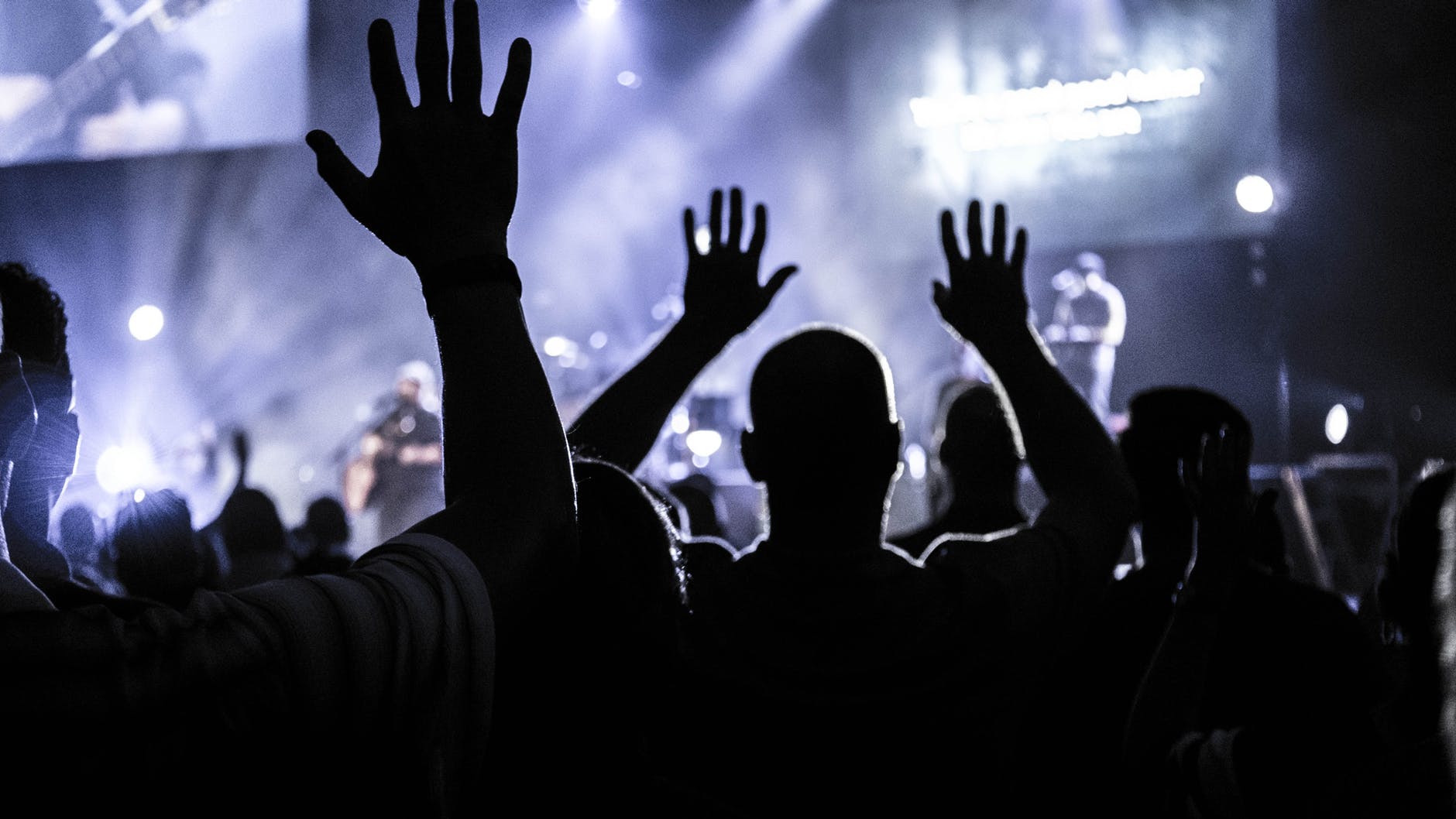
The scene in Caesarea does not simply repeat the miracle of Pentecost; it expands its meaning. At Pentecost, the gathered Jews heard the disciples speaking in languages they recognized as their own native tongues. In the house of Cornelius, the Jewish believers who accompanied Peter did not hear Hebrew or Aramaic. They heard Gentiles speaking in “other languages,” most likely their own regional or cultural languages. Yet the content of those unfamiliar tongues was unmistakable. These new believers were declaring the greatness of God. The miracle was not linguistic novelty but unmistakable worship.
This distinction matters. The sign that convinced the Jewish witnesses that Gentiles had truly received the gospel was not the sound of foreign speech but the unmistakable evidence of transformed hearts. Worship became the visible marker of conversion. The Gentiles were not merely speaking; they were exalting God with a sincerity and joy that could only come from the Holy Spirit. Their praise functioned as the divine confirmation that they had been fully welcomed into the family of faith.
The reason for this outpouring of worship is rooted in the message they had just heard. Peter’s testimony centered entirely on Jesus Christ—his life, his death, his resurrection, and his authority as Lord of all. The command that followed was equally Christ‑focused: they were to be baptized “in the name of Jesus Christ.” The entire encounter was shaped by the person and work of Jesus, and the response of the Gentiles reflected that focus. Their worship was not a spontaneous display of spiritual enthusiasm; it was the direct result of encountering the gospel.
For this reason, the central miracle in Caesarea is not the speaking in tongues. The true miracle is the advance of the gospel into Gentile territory, breaking through centuries of cultural division and religious separation. The Spirit’s work validated this expansion by producing the same unmistakable signs of faith that had appeared among Jewish believers. The continuity of worship, not the replication of Pentecost’s linguistic phenomenon, demonstrated that God was building one unified people.
This moment marks a turning point in the mission of the early church. It shows that the gospel’s power is not confined to one culture or language. It also affirms that genuine worship—born from hearing and believing the message of Christ—is the clearest evidence of the Spirit’s presence and the surest sign that the mission of God is moving forward.
Lord, use us to advance your gospel to the next Caesarea.


