
Genesis 13:1-13
So Abram went up from Egypt, he and his wife and all that he had, and Lot with him, into the Negev.
2 Now Abram was very rich in livestock, in silver, and in gold.
3 And he journeyed on from the Negev as far as Bethel to the place where his tent had been at the beginning, between Bethel and Ai,
4 to the place where he had made an altar at the first. And there Abram called upon the name of the LORD.
5 And Lot, who went with Abram, also had flocks and herds and tents,
6 so that the land could not support both of them dwelling together; for their possessions were so great that they could not dwell together,
7 and there was conflict between the tenders of Abram’s livestock and the tenders of Lot’s livestock. At that time the Canaanites and the Perizzites were dwelling in the land. 8 Then Abram said to Lot, “Let there be no conflict between you and me, and between your tenders and my tenders, for we are kinsmen.
9 Is not the whole land before you? detach yourself from me. If you take the left hand, then I will go to the right, or if you take the right hand, then I will go to the left.”
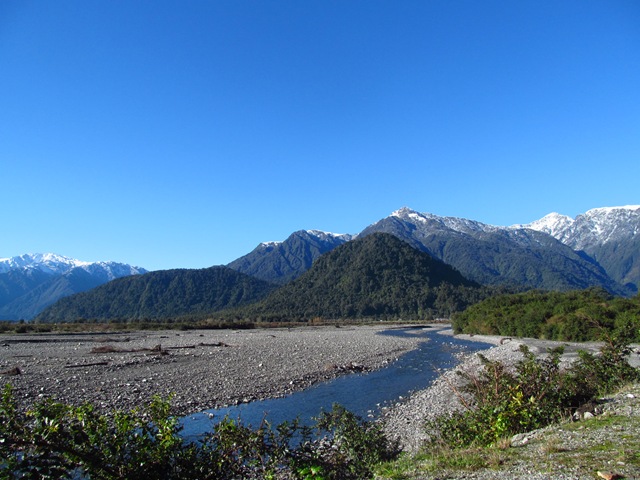
10 And Lot lifted up his eyes and saw that the Jordan Valley was well watered everywhere like the garden of the LORD, like the land of Egypt, in the direction of Zoar. (This was before the LORD had destroyed Sodom and Gomorrah.)
11 So Lot chose for himself all the Jordan Valley, and Lot travelled east. So they detached themselves from each other.
12 Abram settled in the land of Canaan, while Lot settled among the cities of the valley and moved his tent as far as Sodom.
13 Now the men of Sodom were wicked, great sinners against the LORD. _________________________________________
The important questions
The narrative of Abram and Lot offers a quiet but weighty lesson about how blessing works, how decisions shape destinies, and how spiritual realities often run deeper than what the eyes can see. The LORD had spoken His promise over Abram alone, yet Lot—simply by walking beside a man in covenant with God—shared in the overflow of that promise. His herds multiplied, his tents expanded, and his household grew until the land could no longer sustain both families together. Prosperity created pressure, and separation became unavoidable.
When the moment came to choose a new home, Lot lifted his eyes and saw the Jordan Valley shimmering with promise. The land was lush, fertile, and well‑watered—an agricultural dream. From a practical standpoint, it looked like the obvious choice. It seemed wise, strategic, and forward‑thinking. Yet wisdom is never measured only by visible advantages. Lot’s evaluation was incomplete because he failed to weigh two realities that mattered far more than soil quality or water supply.
He did not consider Abram’s relationship with the LORD—the very source of the blessing he had enjoyed. Nor did he reckon with the moral corruption of Sodom, a city whose wickedness would eventually swallow his peace, fracture his family, and nearly cost him his life. Lot assessed opportunity but ignored spiritual danger. He made a reasonable decision, but not a discerning one. He asked the questions that any herdsman would ask, but not the questions a worshiper should ask. He saw the land, but not the consequences. He chose prosperity, but not safety. He moved toward abundance, but away from the influence of a man who walked closely with God.
This ancient moment mirrors countless decisions made in every generation. Opportunities arise that seem promising, profitable, or appealing. Yet beneath the surface may lie influences that erode character, environments that weaken faith, or paths that lead away from the people and places where God’s blessing has been most evident. Discernment requires more than observation; it requires spiritual insight. It requires asking the questions that reveal what cannot be seen at first glance.
Blessing is not found merely in fertile valleys but in alignment with God’s ways, God’s presence, and God’s wisdom. Lot’s story reminds the community of faith that decisions must be shaped by more than opportunity—they must be shaped by truth.
LORD, give wisdom to ask the important questions when facing the decisions that must be made in life.


Pingback: Genesis 13 – jeffersonvann