Jeremiah 37:11 This happened when the Chaldean army withdrew from Jerusalem because of Pharaoh’s army, Jeremiah 37:12 Jeremiah started to leave Jerusalem to go to the land of Benjamin to claim his portion there among the people. Jeremiah 37:13 But when he was at the Benjamin Gate, an officer of the guard was there, whose name was Irijah son of Shelemiah, son of Hananiah, and he apprehended the prophet Jeremiah, saying, “You are deserting to the Chaldeans.” Jeremiah 37:14 “That’s a lie,” Jeremiah replied. “I am not deserting to the Chaldeans!” Irijah would not listen to him but arrested Jeremiah and took him to the officials. Jeremiah 37:15 The officials were angry at Jeremiah and beat him and placed him in jail in the house of Jonathan the scribe, because it had been made into a prison. Jeremiah 37:16 So Jeremiah went into a cell in the dungeon and stayed there many days. Jeremiah 37:17 King Zedekiah later sent for him and received him, and in his house privately asked him, “Is there a word from Yahveh?” “There is,” Jeremiah responded. He continued, “You will be handed over to the king of Babylon.” Jeremiah 37:18 Then Jeremiah said to King Zedekiah, “How have I failed you or your servants or these people that you have put me in prison? Jeremiah 37:19 Where are your prophets who prophesied to you, claiming, ‘The king of Babylon will not come against you and this land’? Jeremiah 37:20 So now please listen, my lord the king. May my petition come before you. Don’t send me back to the house of Jonathan the scribe, or I will die there.” Jeremiah 37:21 So King Zedekiah gave orders, and Jeremiah was placed in the guard’s courtyard. He was given a loaf of bread each day from the bakers’ street until all the bread was gone from the city. So Jeremiah remained in the guard’s courtyard.
a secret word
David Guzmic commented on this section:
“Zedekiah made the mistake of thinking there was a personal, secret word for him from God different than what had already been revealed in God’s word, even His written word from Jeremiah. The “secret” word was completely consistent with the written word. God may bring a personal word to an individual; but a secret word should not be sought. Seek God in His written word.”(https://enduringword.com/bible-commentary/jeremiah-37/).
Lord, give us the insight to stand by your written word, and not to seek a secret word to avoid to painful truth.
Jeremiah 37:1 Zedekiah son of Josiah reigned as king in the land of Judah instead of Coniah son of Jehoiakim, because King Nebuchadnezzar of Babylon made him king. Jeremiah 37:2 He and his officers and the people of the land did not obey the words of Yahveh that he spoke through the prophet Jeremiah. Jeremiah 37:3 But King Zedekiah did send Jehucal son of Shelemiah and Zephaniah son of Maaseiah, the priest, to the prophet Jeremiah, requesting, “Please pray to Yahveh our God for us!” Jeremiah 37:4 Jeremiah was going about his daily tasks among the people, because he had not yet been put into the prison. Jeremiah 37:5 Pharaoh’s army had left Egypt, and when the Chaldeans, who were besieging Jerusalem, heard the report, they withdrew from Jerusalem. Jeremiah 37:6 The word of Yahveh came to the prophet Jeremiah: Jeremiah 37:7 “This is what Yahveh, the God of Israel, says: This is what you will say to Judah’s king, who is sending you to inquire of me: ‘Watch: Pharaoh’s army, which has come out to help you, is going to return to its own land of Egypt. Jeremiah 37:8 The Chaldeans will then return and fight against this city. They will capture it and burn it. Jeremiah 37:9 This is what Yahveh says: Don’t deceive yourselves by saying, “The Chaldeans will leave us for good,” because they will not leave. Jeremiah 37:10 Indeed, if you were to strike down the entire Chaldean army that is fighting with you, and there remained among them only the badly wounded men, each in his tent, they would get up and burn this city.'”
staying with the message
Pharaoh’s army had (apparently) frightened the Chaldeans away, and king Zedekiah thought surely now Jeremiah would prophesy good news. No deal. God’s truth is God’s truth, no matter what is happening. Jeremiah knew that Jerusalem was doomed. Call him a liar, put him in prison, beat him – it does not matter. He would not forsake his message.
LORD, give us the courage to stay true to our convictions regardless of the circumstances.
Jeremiah 36:27 The word of Yahveh came to Jeremiah after the king had burned the scroll and the words Baruch had written at Jeremiah’s dictation:
Jeremiah 36:28 “Take another scroll, and write again on it the first words that were on the first scroll that King Jehoiakim of Judah has burned.
Jeremiah 36:29 You are to proclaim concerning King Jehoiakim of Judah, ‘This is what Yahveh says: You have burned the scroll, asking, “Why have you written on it that the king of Babylon will certainly come and destroy this land and cause it to be without people or animals?”
Jeremiah 36:30 So, this is what Yahveh says concerning King Jehoiakim of Judah: He will have no one to sit on David’s throne, and his corpse will be thrown out to be exposed to the heat of day and the frost of night.
Jeremiah 36:31 I will punish him, his descendants, and his officers for their violation. I will bring on them, on the residents of Jerusalem, and on the people of Judah all the disaster, which I warned them about but they did not listen.'”
Jeremiah 36:32 Then Jeremiah took another scroll and gave it to Baruch son of Neriah, the scribe, and he wrote on it at Jeremiah’s dictation all the words of the scroll that Jehoiakim, Judah’s king, had burned in the fire. And many other words like them were added.
another scroll
By burning the scroll of Jeremiah’s prophecies concerning his downfall, Jehoiakim thought he had put an end to the threat. Just as today, popular culture seeks to discredit the validity of the words of scripture. That did not stop Jeremiah. He and Baruch just took another scroll and got back to work.
The word of God will prevail against all attempts to destroy it, and those who seek to discredit it are simply condemning themselves.
LORD, when we read your word, may we not act foolishly as Jehoiakim did. May we respond in repentance, and preserve ourselves from its judgments.
Jeremiah 36:21 The king sent Jehudi to get the scroll, and he took it from the hall of Elishama the scribe. Jehudi then read it in the hearing of the king and all the officials who were standing by the king. Jeremiah 36:22 since it was the ninth month, the king was sitting in his winter quarters with a fire burning in front of him. Jeremiah 36:23 As soon as Jehudi would read three or four columns, Jehoiakim would cut the scroll with a scribe’s knife and throw the columns into the fire in the hearth until the entire scroll was consumed by the fire in the hearth. Jeremiah 36:24 As they heard all these words, the king and all of his servants did not become terrified or tear their clothes. Jeremiah 36:25 Even though Elnathan, Delaiah, and Gemariah had urged the king not to burn the scroll, he did not listen to them. Jeremiah 36:26 Then the king commanded Jerahmeel the king’s son, Seraiah son of Azriel, and Shelemiah son of Abdeel to capture the scribe Baruch and the prophet Jeremiah, but Yahveh had hidden them.
cut it, burn it, quick rename it
The king and his servants were reading the very words of God, and they were words condemning them and their people to disaster and death. So, why were they not terrified and appalled? Why did they cut up the scroll and burn it instead of tear their clothes in revulsion at the evil those words exposed?
They had made the conscious choice to reject God’s words from Jeremiah, to rename the prophecy as something else.
We human beings have the capacity to rename those truths we choose to reject. As long as we insist that God’s prophets were lunatics and their words were delusions, we can keep cutting and burning.
But be warned. God does not rename the truth. The more we cut and burn, the quicker our appointment to being cut up and burned up in hell. The judge is coming.
Lord, give us a reverence and respect for your holy word.
Jeremiah 36:1 In the fourth year of Jehoiakim son of Josiah, king of Judah, this word came to Jeremiah from Yahveh. This is what it said: Jeremiah 36:2 “Take a scroll, and write on it all the words I have spoken to you concerning Israel, concerning Judah, and concerning all the nations from the time I first spoke to you during Josiah’s days until today. Jeremiah 36:3 Perhaps when the house of Judah hears about all the disaster I am planning to bring on them, each one of them will turn from his evil way. Then I would forgive their violation and their failure.” Jeremiah 36:4 So Jeremiah summoned Baruch son of Neriah. At Jeremiah’s dictation, Baruch wrote on a scroll all the words Yahveh had spoken to Jeremiah. Jeremiah 36:5 Then Jeremiah commanded Baruch, “I am restricted; I cannot enter the temple of Yahveh, Jeremiah 36:6 so you must go and read from the scroll – which you wrote at my dictation – the words of Yahveh in the hearing of the people at the temple of Yahveh on a day of fasting. Read his words in the hearing of all the Judeans who are coming from their cities. Jeremiah 36:7 Perhaps their petition will come before Yahveh, and each one will turn from his evil way, because the anger and fury that Yahveh has pronounced against this people are intense.” Jeremiah 36:8 So Baruch son of Neriah did everything the prophet Jeremiah had commanded him. At Yahveh’s temple he read Yahveh’s words from the scroll. Jeremiah 36:9 In the fifth year of Jehoiakim son of Josiah, king of Judah, in the ninth month, all the people of Jerusalem and all those coming in from Judah’s cities into Jerusalem proclaimed a fast before Yahveh. Jeremiah 36:10 Then at Yahveh’s temple, in the chamber of Gemariah son of Shaphan the scribe, in the upper courtyard at the opening of the New Gate of Yahveh’s temple, in the hearing of all the people, Baruch read Jeremiah’s words from the scroll. Jeremiah 36:11 When Micaiah son of Gemariah, son of Shaphan, heard all the words of Yahveh from the scroll, Jeremiah 36:12 he went down to the scribe’s chamber in the king’s palace. All the officials were sitting there – Elishama the scribe, Delaiah son of Shemaiah, Elnathan son of Achbor, Gemariah son of Shaphan, Zedekiah son of Hananiah, and all the other officials. Jeremiah 36:13 Micaiah reported to them all the words he had heard when Baruch read from the scroll in the hearing of the people. Jeremiah 36:14 Then all the officials sent word to Baruch through Jehudi son of Nethaniah, son of Shelemiah, son of Cushi, saying, “Bring the scroll that you read in the hearing of the people, and come.” So Baruch son of Neriah took the scroll and went to them. Jeremiah 36:15 They said to him, “Sit down and read it in our hearing.” So Baruch read it in their hearing. Jeremiah 36:16 When they had heard all the words, they turned to each other in fear and said to Baruch, “We must surely tell the king all these things.” Jeremiah 36:17 Then they asked Baruch, “Tell us, how did you write all these words? At his dictation?” Jeremiah 36:18 Baruch said to them, “At his dictation. He recited all these words to me while I was writing on the scroll in ink.” Jeremiah 36:19 The officials said to Baruch, “You and Jeremiah must hide and tell no one where you are.” Jeremiah 36:20 Then, after depositing the scroll in the chamber of Elishama the scribe, the officials came to the king at the courtyard and reported everything in the hearing of the king.
because of Baruch
This is the beginning of the story of another dramatic point in Jeremiah’s life and that of Judah. What came to my mind as I read this is that we each have the opportunity that Jeremiah did. He was restricted in that he was no longer allowed access into the temple courts, but his words could get there, because of Baruch.
There are many places where we might want to go and bring the good news of God’s gospel, or even the bad news of God’s coming judgment. We are often forbidden to go to those places for that purpose. Yet God has ways of getting his word where he intends it to go.
Lord, show us how to bring your word to those places where it is not welcomed.
Jeremiah 35:1 This is the word that came to Jeremiah from Yahveh in the days of Jehoiakim son of Josiah, king of Judah. This is what it said: Jeremiah 35:2 “Go to the house of the Rechabites and speak to them, and bring them to the temple of Yahveh – to one of the halls to pass them a drink of wine.” Jeremiah 35:3 So I took Jaazaniah son of Jeremiah, son of Habazziniah, and his brothers and all his sons– the entire house of the Rechabites – Jeremiah 35:4 and I brought them into the temple of Yahveh to a chamber occupied by the sons of Hanan son of Igdaliah, a man of God, who had a chamber near the officials’ chamber, which was above the chamber of Maaseiah son of Shallum the doorkeeper. Jeremiah 35:5 I set jars filled with wine and some cups before the sons of the house of the Rechabites and said to them, “Drink wine!” Jeremiah 35:6 But they replied, “We do not drink wine, because Jonadab, son of our ancestor Rechab, commanded: ‘You and your sons must not drink wine permanently. Jeremiah 35:7 You must not build a house or sow seed or plant a vineyard. Those things are not for you. Rather, you must live in tents your whole life, so you may live a long time on the soil where you stay as a resident alien.’ Jeremiah 35:8 We have obeyed Jonadab, son of our ancestor Rechab, in all he commanded us. So we haven’t drunk wine our whole life – we, our wives, our sons, and our daughters. Jeremiah 35:9 We also have not built houses to live in and do not have vineyard, field, or seed. Jeremiah 35:10 But we have lived in tents and have obeyed and done everything our ancestor Jonadab commanded us. Jeremiah 35:11 However, when King Nebuchadnezzar of Babylon marched into the land, we said, ‘Come, let’s go into Jerusalem to get away from the Chaldean and Aramean armies.’ So we have been living in Jerusalem.” Jeremiah 35:12 Then the word of Yahveh came to Jeremiah; this is what it said: Jeremiah 35:13 “This is what Yahveh of Armies, the God of Israel, says: Go, say to the men of Judah and the residents of Jerusalem, ‘Will you not accept discipline by listening to my words? – this is what Yahveh declares. Jeremiah 35:14 The words of Jonadab, son of Rechab, have been carried out. He commanded his descendants not to drink wine, and they have not drunk to this day because they have obeyed their ancestor’s command. But I have spoken to you time and time again, and you have not obeyed me! Jeremiah 35:15 Time and time again I have sent you all my servants the prophets, saying, “Turn, each one from his evil way, and correct your actions. Stop following other gods to serve them. Live in the land that I gave you and your fathers.” But you did not pay attention or obey me. Jeremiah 35:16 Yes, the sons of Jonadab son of Rechab carried out their ancestor’s command he gave them, but these people have not obeyed me. Jeremiah 35:17 Therefore, this is what Yahveh, the God of Armies, the God of Israel, says: I will certainly bring on Judah and on all the residents of Jerusalem all the disaster I have pronounced against them because I have spoken to them, but they have not obeyed, and I have called to them, but they did not answer.'” Jeremiah 35:18 But to the house of the Rechabites Jeremiah said, “This is what Yahveh of Armies, the God of Israel, says: ‘Because you have obeyed the command of your ancestor Jonadab and have kept all his commands and have done everything he commanded you, Jeremiah 35:19 this is what Yahveh of Armies, the God of Israel, says: Jonadab son of Rechab will never fail to have a man to stand before me all the days.'”
faithfulness is possible
Jeremiah knew that one did not offer a Rechabite wine. They had vowed never to take it. But the LORD told Jeremiah to invite Rechabites into a temple chamber and offer them wine. Of course, they refused. The LORD told Jeremiah to make the offer to show him that it is possible for people in Jerusalem to live faithful to their commitments. Jeremiah commended the Rechabites for this, but condemned the people of Jerusalem for their unfaithfulness.
LORD, make us people who swim against the current. Make us as faithful to you as the Rechabites were to their fathers’ oath.
Jeremiah 34:8 This is the word that came to Jeremiah from Yahveh after King Zedekiah made a covenant with all the people who were in Jerusalem to proclaim freedom to them. Jeremiah 34:9 As a result, each was to let his male and female Hebrew slaves go free, and no one was to enslave his fellow Judean. Jeremiah 34:10 All the officials and people who entered into covenant to let their male and female slaves go free – in order not to enslave them any longer – obeyed and let them go free. Jeremiah 34:11 Afterward, however, they changed their minds and took back their male and female slaves they had let go free and forced them to become slaves again. Jeremiah 34:12 Then the word of Yahveh came to Jeremiah from Yahveh: Jeremiah 34:13 “This is what Yahveh, the God of Israel, says: I made a covenant with your fathers when I brought them out of the land of Egypt, out of the place of slavery, saying, Jeremiah 34:14 ‘At the end of seven years, each of you must let his fellow Hebrew who sold himself to you go. He may serve you six years, but then you must let him go free from your service.’ But your fathers did not obey me or pay any attention. Jeremiah 34:15 Today you repented and did what pleased me, each of you proclaiming freedom for his neighbor. You made a covenant before me at the house that bears my name. Jeremiah 34:16 But you have changed your minds and profaned my name. Each has taken back his male and female slaves who had been let go free to go wherever they wanted, and you have again forced them to be your slaves. Jeremiah 34:17 “Therefore, this is what Yahveh says: You have not obeyed me by proclaiming freedom, each for his fellow Hebrew and for his neighbor. I hereby proclaim freedom for you – this is what Yahveh declares – to the sword, to plague, and to famine! I will make you a horror to all the land’s kingdoms. Jeremiah 34:18 As for those who disobeyed my covenant, not keeping the terms of the covenant they made before me, I will treat them like the calf they cut in two in order to pass between its pieces. Jeremiah 34:19 The officials of Judah and Jerusalem, the court officials, the priests, and all the people of the land who passed between the pieces of the calf – Jeremiah 34:20 all these I will hand over to their enemies, to those who intend to cut their throat. Their corpses will become food for the birds of the sky and for the wild animals of the land. Jeremiah 34:21 I will hand King Zedekiah of Judah and his officials over to their enemies, to those who intend to cut their throat, to the king of Babylon’s army that is withdrawing. Jeremiah 34:22 I am about to give the command – this is what Yahveh declares – and I will bring them back to this city. They will fight against it, capture it, and burn it. I will make Judah’s cities a desolation, without inhabitant.”
they changed their minds
Zedekiah thought that he could save his throne, his city and his people from God’s judgment via the Babylonians. He had figured out that all they had to do was find one commandment that they hadn’t been keeping, and covenant to keep it. It struck him that freeing the slaves in obedience to the command (Exodus 21:2-4) should do it.
Right after the slave owners went through the calf-cutting ritual, it seemed to have worked. The Babylonian armies retreated to fight against the Egyptians.
But then the slave owners noticed all this work that needed to be done, and all this potential free labor standing around that could do it. They changed their minds.
God knew that they would change their minds because they had not changed their hearts.
When you repented, did you change your mind or change your heart. God knows.
Lord, make us people of integrity, who obey you because it is the right thing to do.
Jeremiah 34:1 This is the word that came to Jeremiah from Yahveh when King Nebuchadnezzar of Babylon, his whole army, all the kingdoms of the lands under his control, and all other peoples were fighting against Jerusalem and all its surrounding cities: Jeremiah 34:2 “This is what Yahveh, the God of Israel, says: Go, speak to King Zedekiah of Judah, and tell him, ‘This is what Yahveh says: I am about to hand this city over to the king of Babylon, and he will burn it. Jeremiah 34:3 As for you, you will not escape from him but are certain to be captured and handed over to him. You will meet the king of Babylon eye to eye and speak face to face; you will go to Babylon. Jeremiah 34:4 ” ‘Yet hear Yahveh’s word, King Zedekiah of Judah. This is what Yahveh says concerning you: You will not die by the sword; Jeremiah 34:5 you will die peacefully. There will be a burning ceremony for you just like the burning ceremonies for your fathers, the kings of old who came before you. “Tragedy, lord!” will be the lament for you, because I have spoken this word. this is what Yahveh declares.'” Jeremiah 34:6 So the prophet Jeremiah related all these words to King Zedekiah of Judah in Jerusalem Jeremiah 34:7 while the king of Babylon’s army was attacking Jerusalem and all of Judah’s remaining cities – that is, Lachish and Azekah, because they were the only ones left of Judah’s fortified cities.
how he knew
The Egyptians had gathered to do battle with the Babylonians, and they caused the Babylonians to withdraw ( verse 21). King Zedekiah might have thought that this was going to be the deliverance his people needed, except that that annoying prophet Jeremiah refused to give them any hope. He still insisted that God was going to judge his own people. How could he really know?
Then Jeremiah comes and says that God was going to bring them back, and that they would take the city, and capture the king — who would not die in battle. How could he know?
It did happen just as Jeremiah said. Here’s how he knew: God is real, and he knows the end from the beginning. He knows all about us. You can fool a lot of people, but you cannot fool their creator.
Lord, our lives are open to you, so we dare not claim any special privilege. We throw ourselves at your mercy, and cling to the cross of Jesus Christ as our only hope.
Jeremiah 33:1 While he was still confined in the guard’s courtyard, the word of Yahveh came to Jeremiah a second time: Jeremiah 33:2 “Yahveh who made the land, Yahveh who forms it to establish it, Yahveh is his name, says this: Jeremiah 33:3 Call to me and I will answer you and tell you great and inaccessible things you do not know. Jeremiah 33:4 You see, this is what Yahveh, the God of Israel, says concerning the houses of this city and the palaces of Judah’s kings, the ones broken up for defense against the assault ramps and the sword: Jeremiah 33:5 The people coming to fight the Chaldeans will fill the houses with the corpses of their own men that I strike down in my wrath and rage. I have hidden my face from this city because of all their evil. Jeremiah 33:6 Yet I will certainly bring health and healing to it and will indeed heal them. I will let them experience the abundance of true peace. Jeremiah 33:7 I will restore the fortunes of Judah and of Israel and will rebuild them as in former times. Jeremiah 33:8 I will purify them from all the violation they have committed against me, and I will forgive all the violations they have committed against me, rebelling against me. Jeremiah 33:9 This city will bear on my behalf a name of joy, praise, and glory before all the nations of the land, who will hear of all the prosperity I will give them. They will tremble and shake because of all the good and all the peace I will bring about for them. Jeremiah 33:10 “This is what Yahveh says: In this place, which you say is a ruin, without people or animals – that is, in Judah’s cities and Jerusalem’s streets that are a desolation without people, without inhabitants, and without animals – there will be heard again Jeremiah 33:11 a sound of joy and gladness, the voice of the groom and the bride, and the voice of those saying, Give thanks to Yahveh of Armies, for Yahveh is good; his covenant faithfulness endures permanently as they bring thank offerings to the temple of Yahveh. You see, I will restore the fortunes of the land as in former times, says Yahveh. Jeremiah 33:12 “This is what Yahveh of Armies says: In this desolate place – without people or animals – and in all its cities there will once more be a grazing land where shepherds may rest flocks. Jeremiah 33:13 The flocks will again pass under the hands of the one who counts them in the cities of the hill country, the cities of the Judean foothills, the cities of the Negev, the land of Benjamin – the areas around Jerusalem and in Judah’s cities, says Yahveh. Jeremiah 33:14 “Notice, the days are coming” – this is what Yahveh declares – “when I will fulfill the good promise that I have spoken concerning the house of Israel and the house of Judah. Jeremiah 33:15 In those days and at that time I will cause a Righteous Branch to sprout up for David, and he will administer justice and righteousness in the land. Jeremiah 33:16 In those days Judah will be saved, and Jerusalem will dwell securely, and this is what she will be named: Yahveh Is Our Righteousness. Jeremiah 33:17 “You see, this is what Yahveh says: David will never fail to have a man sitting on the throne of the house of Israel. Jeremiah 33:18 The Levitical priests will never fail to have a man always before me to offer burnt offerings, to burn grain offerings, and to make sacrifices.” Jeremiah 33:19 The word of Yahveh came to Jeremiah: Jeremiah 33:20 “This is what Yahveh says: If you can break my covenant with the day and my covenant with the night so that day and night cease to come at their regular time, Jeremiah 33:21 then also my covenant with my servant David may be broken. If that could happen, then he would not have a son reigning on his throne and the Levitical priests would not be my ministers. Jeremiah 33:22 Even as the stars of the sky cannot be counted, and the sand of the sea cannot be measured, so too I will make innumerable the descendants of my servant David and the Levites who minister to me.” Jeremiah 33:23 The word of Yahveh came to Jeremiah: Jeremiah 33:24 “Have you not noticed what these people have said? They say, ‘Yahveh has rejected the two families he had chosen.’ My people are treated with contempt and no longer regarded as a nation among them. Jeremiah 33:25 This is what Yahveh says: If I do not keep my covenant with the day and with the night, and if I fail to establish the fixed order of the sky and land, Jeremiah 33:26 then I might also reject the descendants of Jacob and of my servant David. That is, I would not take rulers from his descendants to rule over the descendants of Abraham, Isaac, and Jacob. But in fact, I will restore their fortunes and show compassion to them.”
faith that God will restore
In the midst of destruction and despair, the LORD calls on his people to believe in a future of restoration, peace, joy, prosperity, healing, forgiveness, cleansing, and righteousness. That takes faith: to look at loss and apparent rejection and still trust the very God who has caused the loss.
LORD, give us the faith to trust in your promises, even as we see examples of your judgment all around us.
Jeremiah 32:36 “Now therefore, this is what Yahveh, the God of Israel, says to this city about which you said, ‘It has been handed over to Babylon’s king through sword, famine, and plague’: Jeremiah 32:37 I will certainly gather them from all the lands where I have banished them in my anger, rage and intense wrath, and I will return them to this place and make them live in safety. Jeremiah 32:38 They will be my people, and I will be their God. Jeremiah 32:39 I will give them one heart and way so that they will fear me always, for their good and for the good of their descendants after them. Jeremiah 32:40 “I will make a permanent covenant with them: I will never turn away from doing good to them, and I will put fear of me in their hearts so they will never again turn away from me. Jeremiah 32:41 I will take delight in them to do what is good for them, and with all my heart and mind I will faithfully plant them in this land. Jeremiah 32:42 “You see, this is what Yahveh says: Just as I have brought all this terrible disaster on these people, so am I about to bring on them all the good I am promising them. Jeremiah 32:43 Fields will be bought in this land about which you are saying, ‘It’s a desolation without people or animals; it has been handed over to the Chaldeans! ‘ Jeremiah 32:44 Fields will be purchased, the transaction written on a scroll and sealed, and witnesses will be called on in the land of Benjamin, in the areas surrounding Jerusalem, and in Judah’s cities – the cities of the hill country, the cities of the Judean foothills, and the cities of the Negev – because I will restore their fortunes.” this is what Yahveh declares.
it all works out
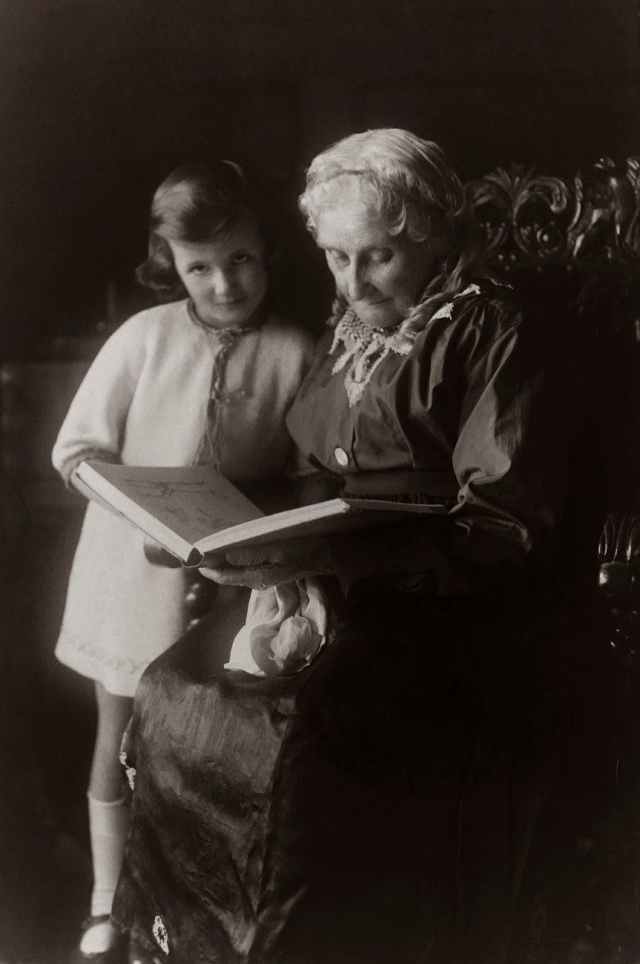
I love reading, and I read every chance I get. Especially in the evenings after the day’s work is done, there is nothing like a novel or a biography that I can get lost in. I don’t mind reading about lots of troubles and trials that the characters in the story go through, as long as I find it all works out to their good in the final chapter.
God’s promise to gather and restore his people to their land was something that they could hold on to through the terrible ordeal that they were going through. No matter how hard the exile got, they could take comfort in God’s promise that the end of the book would set everything right.
Lord, thank you for your promise to gather and restore us in the final chapter.