
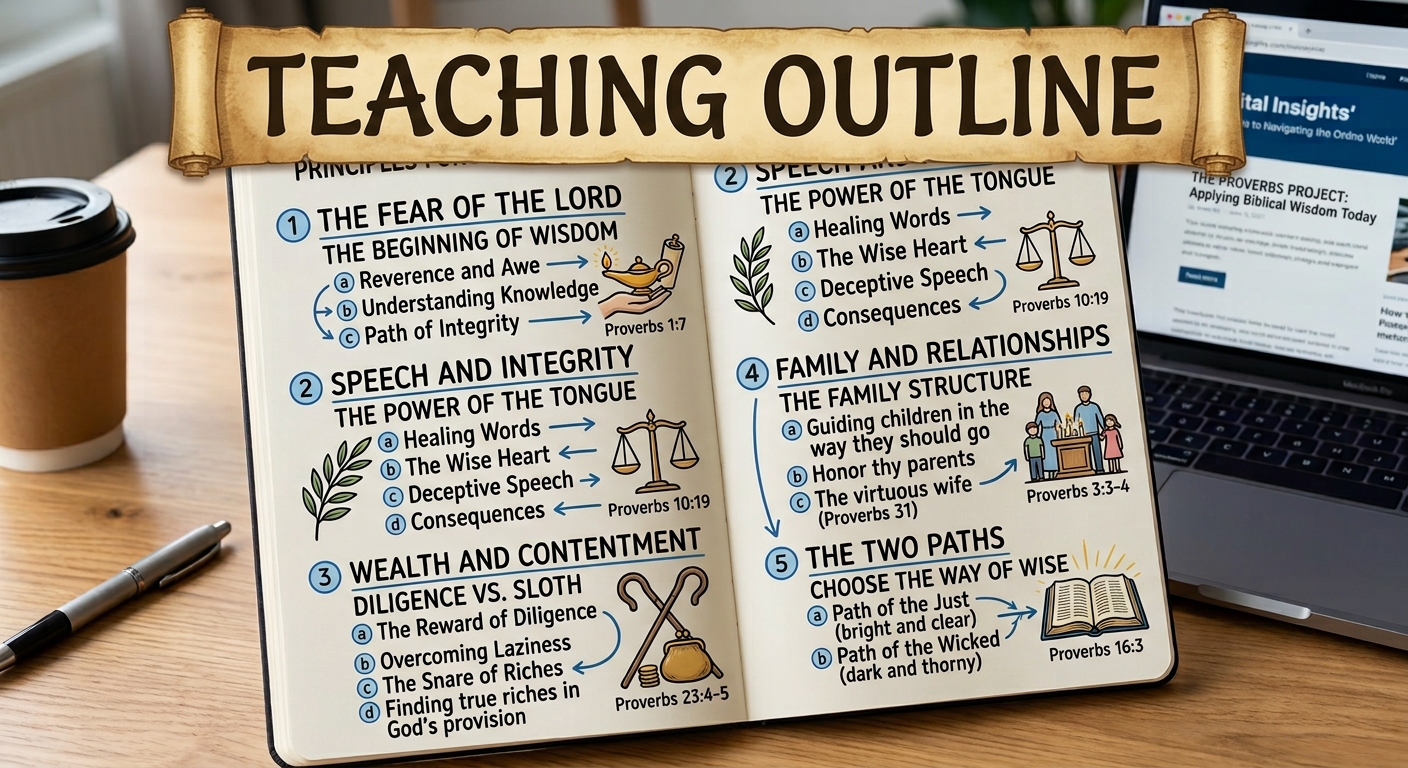
Expanded Teaching Outline — Matthew 1:22–23 (LSB)
“Now all this took place in order that what was spoken by the Lord through the prophet would be fulfilled, saying, ‘BEHOLD, THE VIRGIN SHALL BE WITH CHILD AND SHALL BEAR A SON, AND THEY SHALL CALL HIS NAME IMMANUEL,’ which translated means, ‘GOD WITH US.’” — Matthew 1:22–23 (LSB)
One-Sentence Summary
The miraculous conception and birth of Jesus fulfill God’s prophetic Word, revealing that the promised Messiah is Immanuel, the divine presence of God entering human history to accomplish redemption.
I. OBSERVATION QUESTIONS — WHAT DOES THE TEXT SAY?
1. What does Matthew say about the events surrounding Jesus’ birth?
Answer: Matthew declares that the events surrounding Jesus’ birth took place in fulfillment of what the Lord had spoken through the prophet.
- Matthew connects the events of Jesus’ birth with previously revealed Scripture.
- The circumstances were not accidental or disconnected from God’s plan.
- The birth of Jesus fulfilled a prophetic declaration.
- Matthew emphasizes God’s faithfulness in accomplishing what He had promised.
Cross-references:
- Isaiah 7:14 — The prophecy concerning the virgin and the child.
- Matthew 1:18–21 — The circumstances surrounding Jesus’ conception and the angel’s revelation.
- Luke 1:26–35 — Gabriel’s announcement to Mary.
- Galatians 4:4 — God sent His Son in the fullness of time.
2. Who spoke the prophecy originally?
Answer: The Lord spoke the prophecy through the prophet Isaiah.
- Matthew identifies the prophecy as originating with the Lord.
- The prophet served as the instrument through whom God’s Word was communicated.
- The fulfillment of the prophecy demonstrates the reliability of God’s revelation.
- Scripture is presented as the authoritative declaration of God’s purposes.
Cross-references:
- Isaiah 7:14 — The original prophetic declaration.
- 2 Peter 1:20–21 — Prophecy came through men moved by the Holy Spirit.
- Hebrews 1:1–2 — God spoke through the prophets and has now spoken through His Son.
- Romans 15:4 — Scripture was written for our instruction.
3. What is the specific prophecy quoted by Matthew?
Answer: Matthew quotes Isaiah’s prophecy that a virgin would be with child and bear a son whose name would be Immanuel.
- The prophecy announces the conception and birth of a son.
- The child is associated with the name Immanuel.
- Matthew applies this prophecy to the birth of Jesus.
- The prophecy emphasizes God’s presence among His people.
Cross-references:
- Isaiah 7:14 — The prophecy of the virgin and Immanuel.
- Isaiah 8:8–10 — The Immanuel theme continues in Isaiah’s prophetic context.
- Matthew 1:23 — Matthew explicitly applies the prophecy to Jesus.
- John 1:14 — The Word became flesh and dwelt among us.
4. What does the name Immanuel mean?
Answer: Immanuel means “God with us.”
- Matthew provides the translation of the name.
- The name emphasizes God’s presence.
- The birth of Jesus reveals God’s intervention in human history.
- The name points to the unique identity and mission of Christ.
Cross-references:
- Isaiah 7:14 — Immanuel is the promised name.
- Matthew 1:23 — Matthew translates the name as “God with us.”
- John 1:1, 14 — The Word was God and became flesh.
- Colossians 2:9 — All the fullness of deity dwells bodily in Christ.
5. What is the relationship between the prophecy and the events described in Matthew 1?
Answer: Matthew presents the conception and birth of Jesus as the fulfillment of Isaiah’s prophetic declaration.
- The prophecy precedes the events by centuries.
- The birth of Jesus corresponds to the prophetic expectation Matthew identifies.
- Matthew interprets the events through the authority of Scripture.
- The fulfillment demonstrates God’s faithfulness to His revealed purposes.
Cross-references:
- Isaiah 7:14 — The prophetic promise.
- Matthew 1:18–21 — The events surrounding the conception.
- Matthew 1:22–23 — Matthew’s fulfillment declaration.
- Luke 24:44 — Jesus explains the fulfillment of Scripture.
II. INTERPRETATION QUESTIONS — WHAT DOES THE TEXT MEAN?
1. What does Matthew mean by the statement, “all this took place in order that what was spoken by the Lord through the prophet would be fulfilled”?
Answer: Matthew identifies the events surrounding Jesus’ birth as the fulfillment of God’s prophetic Word, demonstrating the sovereignty, faithfulness, and redemptive purpose of God.
- God had revealed His purposes through the prophets.
- The events surrounding Jesus’ birth were consistent with God’s previously revealed Word.
- Matthew emphasizes that God’s promises do not fail.
- The fulfillment of prophecy establishes the birth of Jesus within the unfolding plan of redemption.
- Matthew repeatedly uses fulfillment language throughout his Gospel to demonstrate that Jesus is the promised Messiah.
Cross-references:
- Matthew 5:17 — Jesus came to fulfill the Law and the Prophets.
- Matthew 2:5–6 — The Messiah’s birthplace fulfills prophetic Scripture.
- Matthew 2:15 — The fulfillment of Hosea’s declaration.
- Matthew 2:17–18 — The fulfillment of Jeremiah’s prophecy.
- Matthew 4:14–16 — The fulfillment of Isaiah’s prophecy.
- Luke 24:27 — Jesus explains the Scriptures concerning Himself.
2. What is the significance of Matthew’s quotation of Isaiah 7:14?
Answer: Matthew uses Isaiah 7:14 to identify the conception and birth of Jesus as the fulfillment of God’s prophetic sign, revealing the Messiah’s unique origin and God’s presence among His people.
- Isaiah 7 occurs in the context of a crisis involving King Ahaz and the threat facing Judah.
- God offers a sign through Isaiah.
- The prophecy has a historical context within Isaiah’s ministry and also serves a prophetic purpose that Matthew identifies with Jesus.
- Matthew presents the virgin conception of Jesus as the fulfillment of the prophecy’s ultimate messianic significance.
- The fulfillment points to the uniqueness of Jesus’ identity and the significance of His coming.
Cross-references:
- Isaiah 7:10–14 — The prophetic sign.
- Isaiah 8:8–10 — The Immanuel theme in Isaiah’s context.
- Matthew 1:18–23 — The fulfillment of the prophecy in Jesus’ birth.
- Luke 1:34–35 — The supernatural conception.
- John 1:14 — The Word becomes flesh.
3. What is the significance of the word “virgin” in Matthew’s quotation?
Answer: Matthew identifies the conception of Jesus as a supernatural conception and emphasizes the fulfillment of Isaiah’s prophetic sign through the virgin birth.
- Matthew uses the Greek word parthenos, which ordinarily refers to a virgin.
- The context of Matthew 1:18–25 makes the virgin conception explicit.
- Mary had not had sexual relations with Joseph before the conception.
- The conception was the work of the Holy Spirit.
- The virgin birth emphasizes the unique manner in which Jesus entered human existence.
Cross-references:
- Isaiah 7:14 — The prophetic sign of the virgin.
- Matthew 1:18 — Mary was pregnant before they came together.
- Matthew 1:25 — Joseph did not know Mary until she gave birth.
- Luke 1:34–35 — Mary’s question and the angel’s explanation.
4. What does “Immanuel” reveal about the identity of Jesus?
Answer: Immanuel reveals that Jesus is the divine Son who entered human existence, making God’s presence known among humanity.
- The name means “God with us.”
- Jesus is not merely a messenger who speaks about God; He is the divine Word who became flesh.
- His incarnation reveals God’s presence in a unique and personal way.
- The name emphasizes the divine identity of Christ and the significance of His incarnation.
- God came among humanity through the person of His Son to accomplish the work of redemption.
Cross-references:
- John 1:1 — The Word was God.
- John 1:14 — The Word became flesh.
- Colossians 1:19 — All the fullness was pleased to dwell in Christ.
- Colossians 2:9 — The fullness of deity dwells bodily in Christ.
- Hebrews 1:3 — The Son is the radiance of God’s glory and the exact representation of His nature.
5. How does the incarnation demonstrate God’s commitment to redeem humanity?
Answer: The incarnation demonstrates God’s commitment to redemption by sending His Son into the world to identify with humanity and accomplish salvation.
- God did not abandon humanity to sin and death.
- The Son entered human existence.
- Jesus experienced the realities of human life.
- His incarnation made possible His sacrificial work as the Redeemer.
- The incarnation, death, and resurrection form the foundation of the gospel.
Cross-references:
- John 3:16 — God gave His Son for the world.
- Romans 5:8 — Christ died for sinners.
- Galatians 4:4–5 — The Son was sent to redeem those under the Law.
- Hebrews 2:14–17 — Christ shared in flesh and blood to defeat death and provide redemption.
- Philippians 2:6–8 — Christ humbled Himself and took the form of a servant.
III. WORD STUDY QUESTIONS — WHAT DO THE KEY WORDS REVEAL?
1. What is the significance of the word “fulfilled” (Greek: plēroō)?
Answer: Plēroō (πληρόω) means to fill, complete, accomplish, or fulfill, and in Matthew it frequently describes the accomplishment of prophetic Scripture through the events of Jesus’ life.
- The word emphasizes the completion or realization of something previously revealed.
- Matthew frequently uses this word in connection with prophetic Scripture.
- The events surrounding Jesus’ birth are presented as the realization of God’s prophetic purposes.
- Fulfillment demonstrates the consistency between God’s promises and His actions in history.
Cross-references:
- Matthew 1:22 — The prophecy concerning Jesus’ birth is fulfilled.
- Matthew 2:15 — Hosea’s prophecy is fulfilled.
- Matthew 4:14 — Isaiah’s prophecy is fulfilled.
- Matthew 5:17 — Jesus fulfills the Law and the Prophets.
- Luke 24:44 — Jesus explains the fulfillment of Scripture.
2. What is the significance of the word “virgin” (Greek: parthenos)?
Answer: Parthenos (παρθένος) ordinarily refers to a virgin and in Matthew 1:23 identifies the woman whose miraculous conception fulfills Isaiah’s prophecy.
- The term ordinarily denotes a virgin.
- Matthew’s narrative confirms the virgin conception.
- The conception was not the result of sexual relations.
- The term emphasizes the supernatural character of Jesus’ birth.
Cross-references:
- Isaiah 7:14 — The prophetic declaration.
- Matthew 1:23 — The quotation of Isaiah.
- Matthew 1:18 — The conception occurred before Mary and Joseph came together.
- Luke 1:34 — Mary declares that she has not known a man.
3. What is the significance of the name “Immanuel” (Hebrew: ʿImmanuʾel)?
Answer: Immanuel (עִמָּנוּאֵל) means “God with us,” emphasizing God’s presence among His people.
- ʿImmanu means “with us.”
- El refers to God.
- The name communicates the truth of God’s presence.
- Matthew applies the name to Jesus, emphasizing the significance of His coming.
- The name points to the divine presence manifested through the incarnation.
Cross-references:
- Isaiah 7:14 — The original prophetic name.
- Isaiah 8:8–10 — Immanuel appears in the broader prophetic context.
- Matthew 1:23 — Matthew interprets the name.
- John 1:14 — The Word dwells among us.
- Revelation 21:3 — God dwells with His people.
4. What is the significance of the word “prophet” (Greek: prophētēs)?
Answer: Prophētēs (προφήτης) refers to a prophet, one who speaks or declares a message on behalf of God, and Matthew emphasizes that Isaiah communicated the Lord’s prophetic Word.
- The prophet served as God’s messenger.
- Prophetic revelation was not merely human speculation.
- Matthew identifies the source of the prophecy as the Lord.
- The fulfillment demonstrates the reliability of prophetic revelation.
Cross-references:
- Isaiah 7:14 — Isaiah delivers God’s prophecy.
- 2 Peter 1:20–21 — Prophecy came through men moved by the Holy Spirit.
- Hebrews 1:1 — God spoke through the prophets.
- Acts 3:18 — God fulfilled what He had announced through the prophets.
5. What is the significance of the expression “God with us”?
Answer: The expression emphasizes God’s presence with humanity through the incarnation of Christ and ultimately points to God’s redemptive and relational purpose.
- The name Immanuel expresses God’s presence.
- The incarnation is the unique manifestation of God among humanity.
- Christ reveals the character and glory of God.
- The presence of God with His people is a recurring theme in Scripture.
- The theme reaches its ultimate fulfillment in God’s dwelling with His redeemed people.
Cross-references:
- Matthew 1:23 — God with us.
- John 1:14 — The Word became flesh and dwelt among us.
- Matthew 28:20 — Christ promises to be with His disciples.
- John 14:23 — The Father and Son make their dwelling with the one who loves Christ.
- Revelation 21:3 — God will dwell with His people.
IV. APPLICATION QUESTIONS — HOW SHOULD WE RESPOND?
1. How should the fulfillment of prophecy strengthen our confidence in Scripture?
Answer: The fulfillment of prophecy should strengthen our confidence that Scripture is trustworthy, that God is sovereign over history, and that His promises will be accomplished.
- God’s promises are not dependent upon human circumstances.
- Scripture reveals God’s purposes across generations.
- The fulfillment of prophecy demonstrates God’s faithfulness.
- Believers can trust God’s Word even when fulfillment appears delayed.
Cross-references:
- Isaiah 46:9–10 — God declares the end from the beginning.
- Psalm 119:89 — God’s Word is established forever.
- 2 Peter 1:19 — The prophetic word is confirmed.
- Hebrews 10:23 — Hold fast because God is faithful.
2. What should the truth that Jesus is Immanuel mean to us personally?
Answer: It should deepen our confidence in Christ, our worship of Him, and our assurance that God has revealed Himself and accomplished redemption through His Son.
- God has not remained distant from humanity.
- Christ reveals God’s character.
- The incarnation demonstrates God’s commitment to redeem sinners.
- We can approach God through Christ with confidence.
Cross-references:
- Hebrews 4:14–16 — Approach the throne of grace with confidence.
- John 14:9 — Christ reveals the Father.
- Romans 8:31–32 — God has given His Son and will graciously provide.
- Hebrews 2:17–18 — Christ is able to help those who are tempted.
3. How should the incarnation affect our understanding of God’s love?
Answer: The incarnation should lead us to recognize the depth of God’s love in sending His Son to enter human existence and provide salvation.
- God demonstrated His love through action.
- Christ came into a world of sin and suffering.
- His incarnation was part of the redemptive purpose that culminated in His death and resurrection.
- God’s love is demonstrated through the sacrifice of His Son.
Cross-references:
- John 3:16 — God loved the world and gave His Son.
- Romans 5:8 — God demonstrates His love through Christ’s death.
- 1 John 4:9–10 — God’s love is manifested in the sending of His Son.
- Philippians 2:6–8 — Christ humbled Himself.
4. How should the fulfillment of God’s promises encourage us during uncertainty?
Answer: God’s faithfulness in fulfilling His promises should encourage us to trust His character, remain steadfast, and live in hope even when circumstances are uncertain.
- God is faithful to His Word.
- His purposes are not defeated by human limitations.
- Believers should remain steadfast in faith.
- The promises of God provide hope beyond present circumstances.
Cross-references:
- Romans 8:28 — God works all things together for good.
- Hebrews 6:17–19 — God’s promise provides a strong consolation and hope.
- Psalm 46:1–3 — God is a refuge and strength.
- 2 Corinthians 4:16–18 — Focus on eternal realities rather than temporary afflictions.
5. How should we proclaim the truth that Jesus is Immanuel?
Answer: We should proclaim that Jesus Christ is the divine Son who entered human history, revealing God and accomplishing redemption for sinners.
- The gospel is centered upon the person of Christ.
- Jesus is not merely a teacher or moral example.
- His incarnation reveals His unique identity.
- His death and resurrection provide the foundation of salvation.
- We should proclaim Christ faithfully to those who need the gospel.
Cross-references:
- John 1:1–14 — The Word became flesh.
- Acts 4:12 — Salvation is found in no other name.
- 1 Corinthians 15:1–4 — The gospel of Christ’s death and resurrection.
- Matthew 28:18–20 — The commission to make disciples.
- Romans 10:14–17 — The necessity of proclaiming the gospel.
V. TEACHING SYNTHESIS
Matthew 1:22–23 establishes that the birth of Jesus Christ was the fulfillment of God’s prophetic Word. By quoting Isaiah 7:14, Matthew identifies the miraculous conception and birth of Jesus as the fulfillment of the promised sign and emphasizes the significance of the name Immanuel, “God with us.” The incarnation reveals the unique identity of Christ as the divine Son who entered human existence to accomplish redemption. God’s fulfillment of prophecy demonstrates His faithfulness, sovereignty, and commitment to His saving purpose. This passage calls believers to trust Scripture, worship Christ, rejoice in God’s presence, and proclaim the good news that God has provided the Savior.
One-Sentence Summary
Jesus fulfills Isaiah’s prophecy as Immanuel, God with us, revealing the faithfulness of God and the divine presence entering human history to accomplish redemption.


