
20250303
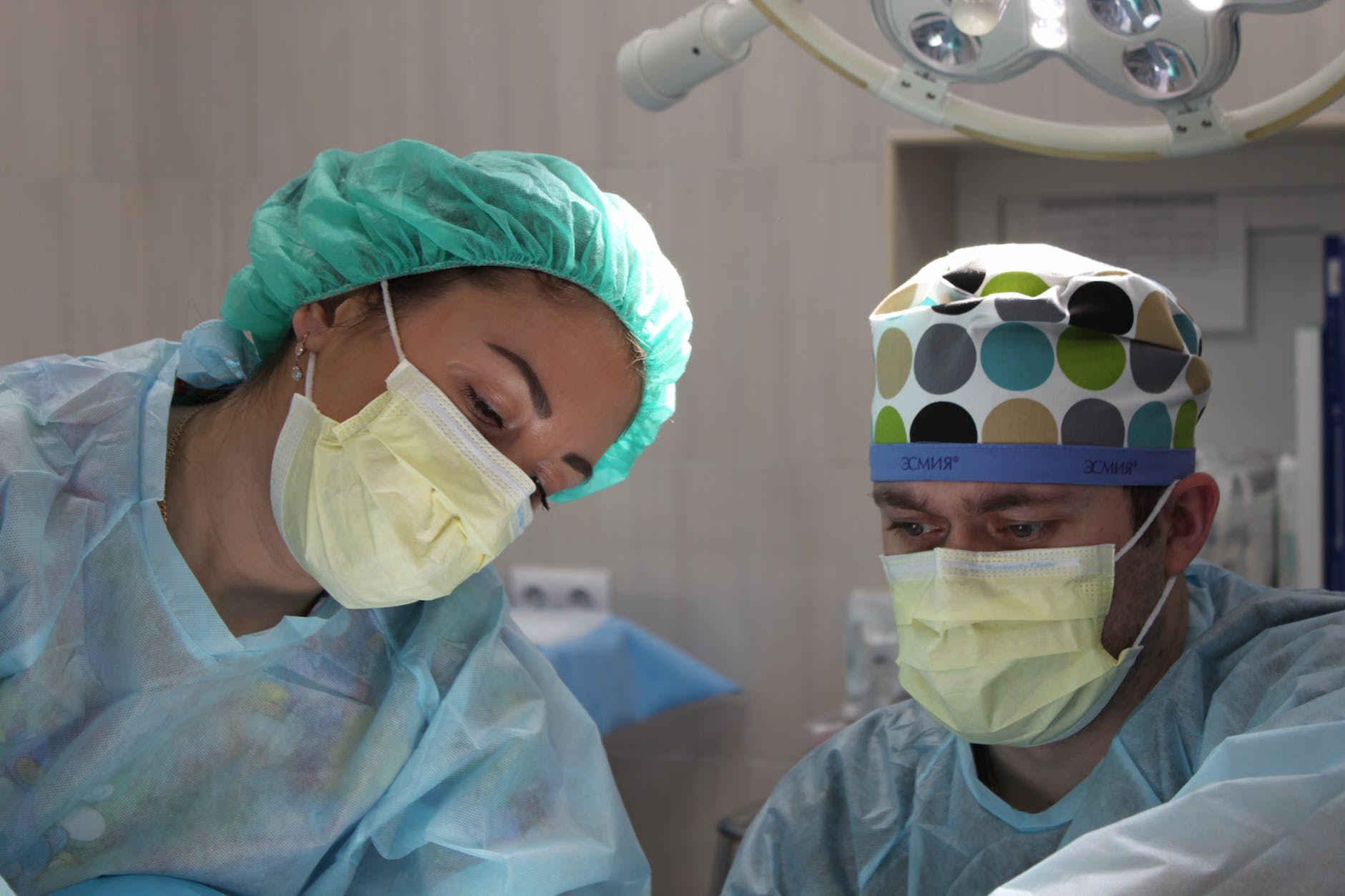
hide or heal?
1 John 1:5-2:2 (JDV)
1 John 1:5 This is the message we have heard from him and declare to you: God is light, and there is absolutely no darkness in him.
1 John 1:6 If we would say, “We participate with him,” and yet we walk in darkness, we would be lying and are not practicing the truth.
1 John 1:7 Since we are walking in the light as he himself is in the light, we participate with one another, and the blood of Jesus his Son cleanses us from all failure.
1 John 1:8 If we would say, “We have no failure,” we are deceiving ourselves, and the truth is not in us.
1 John 1:9 Since we confess our failures, he is faithful and righteous to forgive us our failures and to cleanse us from all unrighteousness.
1 John 1:10 If we would say, “We have not failed,” we would be making him a liar, and his word would not be in us.
1 John 2:1 My little children, I am writing you these things so that you may not fail. But if anyone does fail, we have an advocate with the Father — Jesus Christ the righteous one.
1 John 2:2 He himself is the atoning sacrifice for our failures, and not only for ours, but also for those of the whole world.
hide or heal?
Failing is not a small or selective category. It is not limited to deliberate rebellion, nor is it confined to the moments when someone knowingly chooses what is wrong. Failure includes every instance of falling short, every moment when the mark is missed, whether through weakness, ignorance, carelessness, or willful defiance. Using the language of failure does not soften the reality traditionally named by the word sin. Instead, it widens the frame. It exposes how deeply the problem runs and how completely it touches every part of human life. Failure is not an occasional misstep; it is the condition of a humanity that cannot, on its own, live in perfect alignment with the will of God.
The cross speaks directly into that condition. The death of the Lord is not a partial remedy or a sacrifice aimed only at certain categories of wrongdoing. It is the one sufficient offering for every form of failure—intentional or unintentional, visible or hidden, respectable or shameful. Nothing falls outside its reach. The cross stands as God’s declaration that no failure is too great to be forgiven and no wound too deep to be healed.
Hearing the gospel places every person at a crossroads. One path is the way of confession—bringing failures into the light, naming them honestly, and trusting that the blood of Christ restores what is broken. Confession is not merely admitting fault; it is opening the heart to divine healing. It is the posture that allows grace to do its work.
The other path is concealment. Failure can be hidden behind a carefully maintained darkness, a respectable façade that keeps the truth out of sight. This darkness may look moral, religious, or disciplined, but it is still darkness. Those who choose concealment may speak the language of faith and claim fellowship with God, yet the claim rings hollow. Healing cannot occur where the wound is denied. Restoration cannot begin where the disease is covered rather than acknowledged.
The gospel insists on this simple but searching truth: there is no cure without exposure. The physician of souls does not force treatment on those who refuse to admit their need. Grace is abundant, but it is never imposed. The cross stands open to all, but only those who step into the light of truth receive its healing power.
LORD, give us the wisdom to seek your healing restoration, not to hide our failures.

 Devotions