20220509
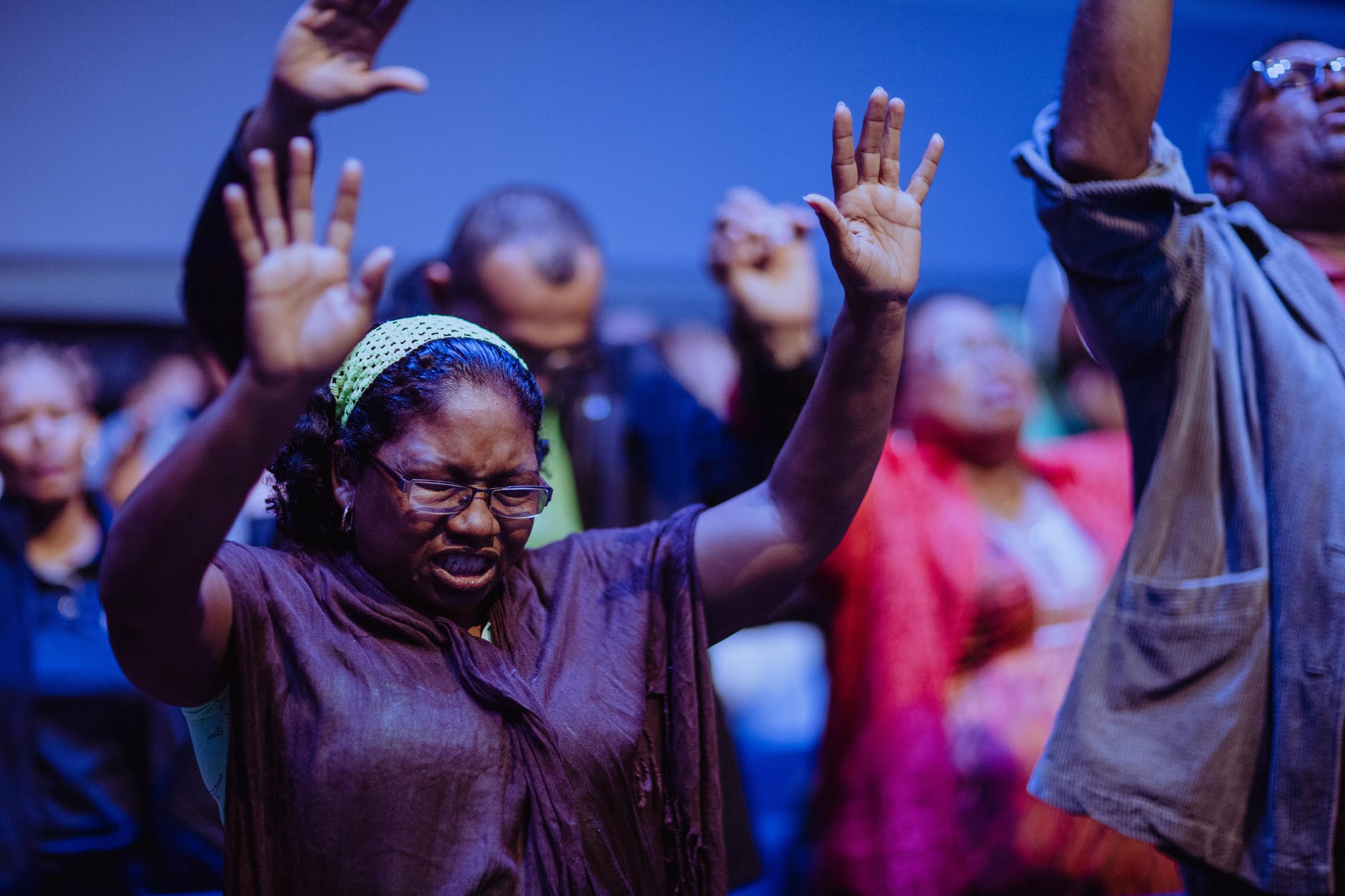
praying in public
1 Timothy 2:8-10 (JDV)
1 Timothy 2:8 That is why I want the husbands1 in every place to pray, lifting up holy hands without anger or argument.
1 Timothy 2:9 wives2 should pray in the very same way, dressing themselves in modest clothing, with decency and good judgment, not with elaborate hairstyles, gold, pearls, or expensive apparel,
1 Timothy 2:10 but with good achievements,3 as is proper for wives who profess to worship God.
praying in public
Paul’s instruction in this portion of the letter is often read through the lens of modern debates about gender, but the context shows that his concern is not primarily about assigning roles. His focus is on the public witness of the Christian community, especially in light of what he has just said about praying for rulers and authorities. If the congregation is to pray for political leaders, then the way believers conduct themselves in public worship should reinforce, not undermine, that prayer. The issue is not hierarchy but reputation — the reputation of Christ and His people in the eyes of the surrounding society.
Paul envisions a setting in which Christian husbands and wives gather for prayer in a world where their behavior is observed by magistrates, governors, and civic leaders. These officials held real power over the lives of believers, and their impressions of the Christian movement could influence whether the congregation experienced justice or hostility. In that environment, public worship was not a private matter. It was a visible testimony to the character of the faith.
For that reason, Paul urges husbands to pray “without anger or argument.” In a culture where men were often expected to assert dominance, respond aggressively to insult, and defend honor through confrontation, a Christian man who prayed with a calm and peaceable spirit stood out. Such behavior demonstrated self‑control, humility, and trust in God. It also signaled to governing authorities that these believers were not agitators or threats to public order. A man who could restrain anger in worship was more likely to be seen as someone who would act justly in society.
Paul then turns to wives, urging them to pray with modesty and sensible attire. The concern is not to restrict women but to ensure that their public appearance reflects the dignity and seriousness of their faith. In the ancient world, clothing could communicate social status, wealth, or even moral reputation. A woman who dressed modestly in worship signaled reverence for God and respect for the community. Her appearance would not distract from prayer or draw attention to herself but would instead honor the Lord. Such conduct would earn respect from observers, including civic leaders, who valued decorum and propriety.
Taken together, these instructions show that Paul is not arguing against equality. He addresses both husbands and wives, expecting both to uphold the honor of Christ in public. The responsibility is shared. Each is called to embody the gospel in ways that reflect well on the congregation and remove unnecessary obstacles to its mission. The goal is not to elevate one gender over another but to ensure that the public witness of the church is consistent, credible, and worthy of the name of Christ.
Paul’s concern is that Christian worship should not bring shame upon the gospel by drawing attention to personal behavior, pride, or disorder. Instead, it should display the beauty of a transformed community — one marked by peace, humility, modesty, and integrity. When believers conduct themselves in this way, their lives reinforce their prayers for rulers and create an environment in which the gospel can be heard without distraction.
LORD, shape the public witness of the congregation so that nothing in behavior or appearance detracts from the honor of Christ, and grant grace to live in ways that reflect the faith professed.
________
1 ἀνήρ = husband (when compared to wife). 1 Timothy 2:8, 12; 3:2, 12; 5:9.
2 γυνή = wife (when compared to husband). 1 Timothy 2:9-12, 14; 3:2, 11-12; 5:9.
3ἔργον = achievement. 1 Timothy 2:10; 3:1; 5:10, 25; 6:18.