
crucial
Acts 21:26-36 (JDV)
Acts 21:26 So the next day, Paul took the men, having purified himself along with them, and entered the temple, announcing the completion of the purification days when the offering would be made for each of them.
Acts 21:27 When the seven days were nearly over, some Jews from the province of Asia saw him in the temple, put the whole crowd in uproar, and forced hands on him,
Acts 21:28 shouting, “Fellow Israelites, help! This is the man who teaches everyone everywhere against our people, our law, and this place. What’s more, he also brought Greeks into the temple and has defiled this sacred place.”
Acts 21:29 For they had previously seen Trophimus the Ephesian in the city with him, and they figured that Paul had brought him into the temple.
Acts 21:30 The whole city was stirred up, and the people rushed together. They seized Paul, dragged him out of the temple, and at once the gates were shut.
Acts 21:31 As they were trying to kill him, word went up to the commander of the regiment that all Jerusalem was in uproar.
Acts 21:32 Taking along soldiers and centurions, he immediately ran down to them. Seeing the commander and the soldiers, they stopped beating Paul.
Acts 21:33 Then the commander approached, took him into custody, and ordered him to be tied up with two chains. He asked who he was and what he had done.
Acts 21:34 Some in the crowd were shouting one thing and some another. Since he was not able to get reliable information because of the uproar, he ordered him to be taken into the barracks.
Acts 21:35 When Paul got to the steps, he had to be carried by the soldiers because of the violence of the crowd,
Acts 21:36 because the mass of people followed, yelling, “Lift him up!”
crucial
Paul’s transformation from a celebrated “Hebrew of Hebrews” to a hunted man was not the result of political missteps or personal betrayal. It was the direct consequence of a single, decisive choice: he recognized Jesus as the Messiah and committed himself to announcing that truth. From that moment forward, the gospel became both his calling and the source of the danger surrounding him. The hostility he faced in Jerusalem was not rooted in rumor or misunderstanding. It was rooted in a theological reality that cut to the heart of Jewish identity and religious practice.
The cultural clash centered on one gospel fact: forgiveness and reconciliation with God do not depend on being Jewish or practicing Jewish customs. The way to God is not through circumcision, temple rituals, or adherence to the Mosaic law. The way is through Christ alone. That message was not an attack on Jewish culture—Paul himself remained a Jew, faithful to his heritage and respectful of its traditions. But it was an attack on the belief that Jewish observance was necessary for salvation. For those who held that conviction tightly, Paul’s message was intolerable. It dismantled the system they believed God had established as the path to righteousness.
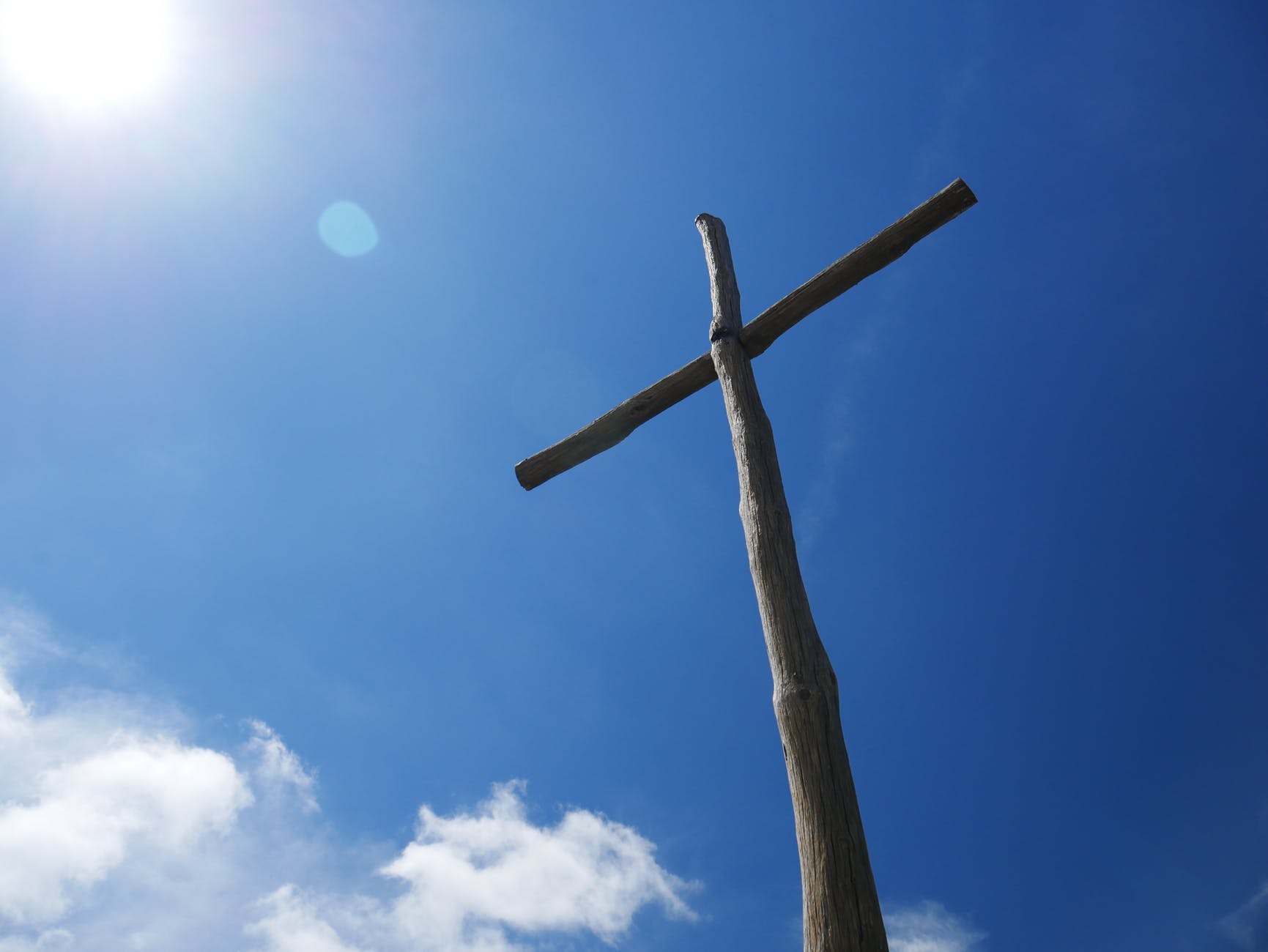
This truth is indeed crucial, and the word itself reminds us why. “Crucial” comes from crux, the Latin word for cross. The cross is the dividing line between old assumptions and new realities. The sufficiency of Christ’s death is the crucial fact that redefines the way to God. It is the reason Paul could say that neither circumcision nor uncircumcision counts for anything, but only faith working through love. It is the reason Gentiles could enter the family of God without becoming Jews. And it is the reason Paul became a target for those who believed the law and the temple were still the exclusive means of approaching God.
No one is ever asked to renounce their culture in order to follow Christ. The gospel does not erase identity; it reorders it. Paul remained a Jew, and his message posed no threat to Jewish culture itself. The threat was to the belief that culture could save. For those who insisted that the law and the temple were the way to reach God, Paul’s proclamation was unambiguous: Jesus is the Way.
Lord, thank you for the one way you have provided for all in Christ, the crucified and risen Savior.


Pingback: Acts 21 – jeffersonvann