
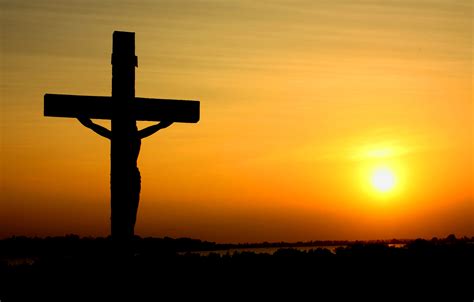
John 10:14-18
14 “I am the proper shepherd. I know the ones who are mine, and the ones who are mine know me,
15 just as the Father knows me, I also know the Father, and I lay down my soul for the sheep.
16 But I have other sheep who are not from this sheep pen; I must lead them also, and they will listen to my voice. Then there will become one flock, one shepherd.
17 This is why the Father loves me, because I lay down my soul so that I may take it up again.
18 No one takes it from me, but I lay it down on my own. I have the right to lay it down, and I have the right to take it up again. I have received this command from my Father.”
his right to die
The flow of Jesus’ teaching in John 10 becomes even clearer when the continuation of the shepherd‑gate imagery is allowed to unfold naturally. The scene still contains the same three figures: the owner of the flock, the proper shepherd who serves under the owner’s authority, and the sheep who depend on both. Jesus is not shifting metaphors but extending the same pastoral picture to reveal the depth of His mission and the unity of His relationship with the Father.
His repeated statement about laying down His ψυχή—His life—carries deliberate weight. In Greek, the noun is feminine, so every pronoun attached to it is “her,” emphasizing the personal, God‑given life He willingly surrenders. This is not a reference to an immortal soul that cannot die. If the soul were inherently immortal, it could not be laid down. Jesus is speaking of His earthly life, the human life entrusted to Him by the Father for the purpose of redemption. To lay it down is to die voluntarily; to take it up again is to rise by divine authority. His death is not an accident, nor a tragedy imposed from outside. It is the chosen act of the Shepherd who protects His flock at the cost of His own life.
Jesus then reveals the Father’s role in this saving plan. The Father loves the Son precisely because the Son embraces this mission. And the Father grants Him ἐξουσία—the right, the authority—to lay down His life and to take it up again. The cross is not merely an expression of Jesus’ compassion; it is the coordinated work of Father and Son, united in purpose, love, and sovereign power. The resurrection is not a surprise reversal but the authorized outcome of the Son’s obedience.
Into this same teaching Jesus introduces the “other sheep” whom He must lead—ἄγω, the verb of active, intentional shepherding. These are the ones not yet in the fold, the future believers who will be gathered after His resurrection. The healed man in chapter 9 is a sign of this expanding flock, but the full fulfillment stretches across the centuries. The flock will grow, the Shepherd will call, and all who respond will be brought into one people under one Shepherd.
This is the grace that reaches beyond Israel, beyond the first disciples, beyond the early church. It is the grace that has reached the rest of us—those who have heard His voice across time and have been gathered into His care.
Lord, thank You for the love and grace that brought salvation to all who have been gathered into Your flock.


