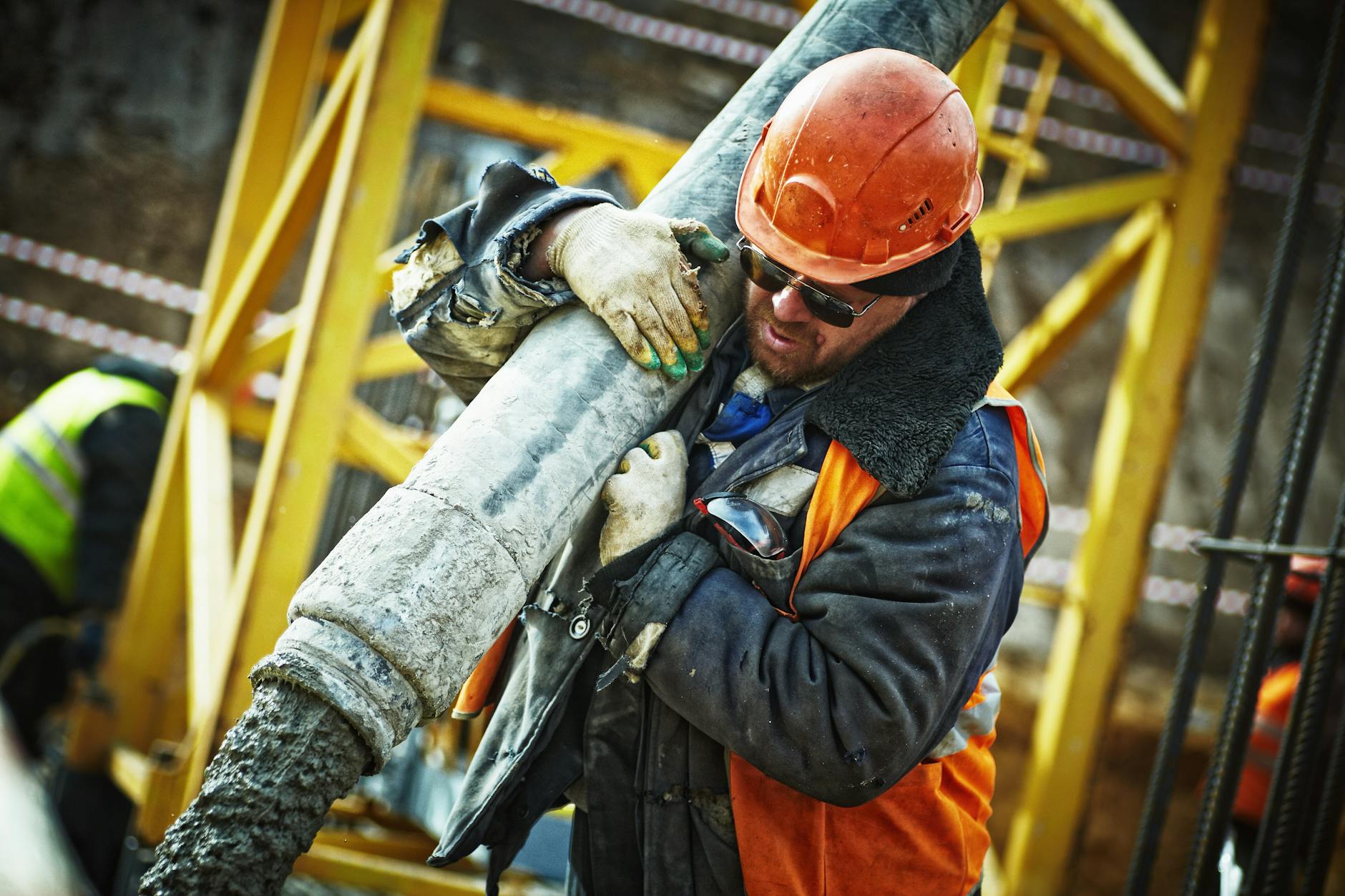
joy of restoration

20250501

Photo by Andre Furtado on Pexels.com

joy of restoration

Nehemiah 8:1-18

Nehemiah 8:1 all the people gathered together at the square before the Water Gate. They asked the scribe Ezra to bring the book of the Instruction of Moses that Yahveh had given Israel.
Nehemiah 8:2 On the first day of the seventh month, the priest Ezra brought the law before the assembly of men, women, and all who could listen with understanding.
Nehemiah 8:3 While he was facing the square in front of the Water Gate, he read out of it from daybreak until noon before the men, the women, and those who could understand. All the people listened attentively to the book of the law.
Nehemiah 8:4 The scribe Ezra stood on a high wooden platform made for this purpose. Mattithiah, Shema, Anaiah, Uriah, Hilkiah, and Maaseiah stood beside him on his right; to his left were Pedaiah, Mishael, Malchijah, Hashum, Hash-baddanah, Zechariah, and Meshullam.
Nehemiah 8:5 Ezra opened the book in full view of all the people since he was elevated above everyone. As he opened it, all the people stood up.
Nehemiah 8:6 Ezra blessed Yahveh, the great God, and all the people raised their hands, saying, “Amen, Amen!” Then they knelt low and worshiped Yahveh with their faces to the ground.
Nehemiah 8:7 Jeshua, Bani, Sherebiah, Jamin, Akkub, Shabbethai, Hodiah, Maaseiah, Kelita, Azariah, Jozabad, Hanan, and Pelaiah, who were Levites, explained the law to the people as they stood in their places.
Nehemiah 8:8 They read out of the book of the law of God, translating and giving the meaning so that the people could understand what was read.
Nehemiah 8:9 Nehemiah the governor, Ezra the priest and scribe, and the Levites who were instructing the people said to all of them, “This day is holy to Yahveh your God. Do not mourn or weep.” For all the people were weeping as they heard the words of the law.
Nehemiah 8:10 Then he said to them, “Go and eat what is rich, drink what is sweet, and send portions to those who have nothing prepared since today is holy to our Lord. Do not grieve because the joy of Yahveh is your strength.”
Nehemiah 8:11 And the Levites quieted all the people, saying, “Be still, since today is holy. Don’t grieve.”
Nehemiah 8:12 All the people began to eat and drink, send portions, and have a grand celebration because they had understood the words explained to them.
Nehemiah 8:13 On the second day, the family heads of all the people, along with the priests and Levites, assembled before the scribe Ezra to study the words of the law.
Nehemiah 8:14 They found written in the law how Yahveh had commanded through Moses that the Israelites should dwell in shelters during the festival of the seventh month.
Nehemiah 8:15 So they proclaimed and spread this news throughout their towns and in Jerusalem, saying, “Go out to the hill country and bring back branches of olive, wild olive, myrtle, palm, and other leafy trees to make shelters, just as it is written.”
Nehemiah 8:16 The people went out, brought back branches, and made shelters for themselves on each of their rooftops and courtyards, the court of the house of God, the square by the Water Gate, and the square by the Ephraim Gate.
Nehemiah 8:17 The whole community that had returned from exile made shelters and lived in them. The Israelites had not celebrated like this from the days of Joshua, son of Nun, until that day. And there was tremendous joy.
Nehemiah 8:18 Ezra read out of the book of the law of God every day, from the first day to the last. The Israelites celebrated the festival for seven days, and on the eighth day, according to the ordinance, there was an assembly.

joy of restoration

Restoration is not possible without being confronted by the revelation – God’s word, his law. Yet the LORD never intends those who will be involved in restoration to stop at the mourning phase. When God intercedes by his grace, we will feel sorry for our sins and shortcomings, but the end result should be joy. Key to getting back our joy is the ministry of explaining the sense of the Scriptures. Knowing the scriptures clearly brings joy.

LORD, restore to us the joy of your salvation.

Posted in discipleship, encouragement, joy | Tagged | Leave a comment

it is the people

20250430

Photo by Ingo Joseph on Pexels.com

it is the people

Nehemiah 7:1-73

Nehemiah 7:1 When the wall had been rebuilt and I had the doors installed, the gatekeepers, singers, and Levites were appointed.
Nehemiah 7:2 Then I put my brother Hanani in charge of Jerusalem, along with Hananiah, commander of the fortress, because he was a faithful man who feared God more than most.
Nehemiah 7:3 I said to them, “Do not open the gates of Jerusalem until the sun is hot, and let the doors be shut and securely fastened while the guards are on duty. Station the citizens of Jerusalem as guards, some at their posts and some at their homes.”
Nehemiah 7:4 The city was large and spacious, but there were few people in it, and no houses had been built yet.
Nehemiah 7:5 Then my God put it into my mind to assemble the nobles, the officials, and the people to be registered by genealogy. I found the genealogical record of those who came back first, and I found the following written in it:
Nehemiah 7:6 These are the people of the province who went up among the captive exiles deported by King Nebuchadnezzar of Babylon. Each of them returned to Jerusalem and Judah, to his own town.
Nehemiah 7:7 They came with Zerubbabel, Jeshua, Nehemiah, Azariah, Raamiah, Nahamani, Mordecai, Bilshan, Mispereth, Bigvai, Nehum, and Baanah. The number of the Israelite men included
Nehemiah 7:8 Parosh’s descendants 2,172
Nehemiah 7:9 Shephatiah’s descendants 372
Nehemiah 7:10 Arah’s descendants 652
Nehemiah 7:11 Pahath-moab’s descendants: Jeshua’s and Joab’s descendants 2,818
Nehemiah 7:12 Elam’s descendants 1,254
Nehemiah 7:13 Zattu’s descendants 845
Nehemiah 7:14 Zaccai’s descendants 760
Nehemiah 7:15 Binnui’s descendants 648
Nehemiah 7:16 Bebai’s descendants 628
Nehemiah 7:17 Azgad’s descendants 2,322
Nehemiah 7:18 Adonikam’s descendants 667
Nehemiah 7:19 Bigvai’s descendants 2,067
Nehemiah 7:20 Adin’s descendants 655
Nehemiah 7:21 Ater’s descendants: of Hezekiah 98
Nehemiah 7:22 Hashum’s descendants 328
Nehemiah 7:23 Bezai’s descendants 324
Nehemiah 7:24 Hariph’s descendants 112
Nehemiah 7:25 Gibeon’s descendants 95
Nehemiah 7:26 Bethlehem’s and Netophah’s men 188
Nehemiah 7:27 Anathoth’s men 128
Nehemiah 7:28 Beth-azmaveth’s men 42
Nehemiah 7:29 Kiriath-jearim’s, Chephirah’s, and Beeroth’s men 743
Nehemiah 7:30 Ramah’s and Geba’s men 621
Nehemiah 7:31 Michmas’s men 122
Nehemiah 7:32 Bethel’s and Ai’s men 123
Nehemiah 7:33 the other Nebo’s men 52
Nehemiah 7:34 the other Elam’s people 1,254
Nehemiah 7:35 Harim’s people 320
Nehemiah 7:36 Jericho’s people 345
Nehemiah 7:37 Lod’s, Hadid’s, and Ono’s people 721
Nehemiah 7:38 Senaah’s people 3,930.
Nehemiah 7:39 The priests included Jedaiah’s descendants of the house of Jeshua 973
Nehemiah 7:40 Immer’s descendants 1,052
Nehemiah 7:41 Pashhur’s descendants 1,247
Nehemiah 7:42 Harim’s descendants 1,017.
Nehemiah 7:43 The Levites included Jeshua’s descendants: of Kadmiel Hodevah’s descendants 74.
Nehemiah 7:44 The singers included Asaph’s descendants 148.
Nehemiah 7:45 The gatekeepers included Shallum’s descendants, Ater’s descendants, Talmon’s descendants, Akkub’s descendants, Hatita’s descendants, Shobai’s descendants 138.
Nehemiah 7:46 The temple servants included Ziha’s descendants, Hasupha’s descendants, Tabbaoth’s descendants,
Nehemiah 7:47 Keros’s descendants, Sia’s descendants, Padon’s descendants,
Nehemiah 7:48 Lebanah’s descendants, Hagabah’s descendants, Shalmai’s descendants,
Nehemiah 7:49 Hanan’s descendants, Giddel’s descendants, Gahar’s descendants,
Nehemiah 7:50 Reaiah’s descendants, Rezin’s descendants, Nekoda’s descendants,
Nehemiah 7:51 Gazzam’s descendants, Uzza’s descendants, Paseah’s descendants,
Nehemiah 7:52 Besai’s descendants, Meunim’s descendants, Nephishesim’s descendants,
Nehemiah 7:53 Bakbuk’s descendants, Hakupha’s descendants, Harhur’s descendants,
Nehemiah 7:54 Bazlith’s descendants, Mehida’s descendants, Harsha’s descendants,
Nehemiah 7:55 Barkos’s descendants, Sisera’s descendants, Temah’s descendants,
Nehemiah 7:56 Neziah’s descendants, Hatipha’s descendants.
Nehemiah 7:57 The descendants of Solomon’s servants included Sotai’s descendants, Sophereth’s descendants, Perida’s descendants,
Nehemiah 7:58 Jaala’s descendants, Darkon’s descendants, Giddel’s descendants,
Nehemiah 7:59 Shephatiah’s descendants, Hattil’s descendants, Pochereth-hazzebaim’s descendants, Amon’s descendants.
Nehemiah 7:60 All the temple servants and the descendants of Solomon’s servants 392.
Nehemiah 7:61 The following are those who came from Tel-melah, Tel-harsha, Cherub, Addon, and Immer, but were unable to prove that their ancestral families and their lineage were Israelite:
Nehemiah 7:62 Delaiah’s descendants, Tobiah’s descendants, and Nekoda’s descendants 642
Nehemiah 7:63 and from the priests: the descendants of Hobaiah, the descendants of Hakkoz, and the descendants of Barzillai — who had taken a wife from the daughters of Barzillai the Gileadite and who bore their name.
Nehemiah 7:64 These searched for their entries in the genealogical records, but they could not be found, so they were disqualified from the priesthood.
Nehemiah 7:65 The governor ordered them not to eat the most holy things until there was a priest who could consult the Lights and Darks.
Nehemiah 7:66 The whole combined assembly numbered 42,360
Nehemiah 7:67 not including their 7,337 male and female servants, as well as their 245 male and female singers.
Nehemiah 7:68 They had 736 horses, 245 mules,
Nehemiah 7:69 435 camels, and 6,720 donkeys.
Nehemiah 7:70 Some of the family heads contributed to the project. The governor gave 1,000 gold coins, 50 bowls, and 530 priestly garments to the treasury.
Nehemiah 7:71 Some of the family heads gave 20,000 gold coins and 2,200 silver minas to the treasury for the project.
Nehemiah 7:72 The rest of the people gave 20,000 gold coins, 2,000 silver minas, and 67 priestly garments.
Nehemiah 7:73 The priests, Levites, gatekeepers, temple singers, some of the people, temple servants, and all Israel settled in their towns. When the seventh month came, and the Israelites had settled in their towns.

it is the people

This chapter is mostly made up of a list that already appeared in Ezra. It fits in Nehemiah’s story because it records the people who came back from exile. After the construction of the wall for defense, it was time to transition to focus on the people. While the land is important because of God’s promises, it is the people of God who will inherit it.

When I originally wrote this, the church I had been attending had been going through an ordeal for months because we have outgrown the space where we gather, and have been seeking a larger building. So far, the Holy Spirit had prevented us from getting one. Along the way, we discovered that our most urgent need is not a building, but ways to meet the needs of people.

LORD, help us to focus on loving the people who need you, and training the people who know you.

Posted in church, ministry | Tagged | Leave a comment

faithfulness amid conflict

20250429

faithfulness amid conflict

Nehemiah 6:1-19

Nehemiah 6:1 When Sanballat, Tobiah, Geshem the Arab, and the rest of our enemies heard that I had rebuilt the wall and that no gap was left in it– though at that time I had not installed the doors in the city gates —
Nehemiah 6:2 Sanballat and Geshem sent me a message: “Come, let’s meet together in the villages of the Ono Valley.” They were planning to harm me.
Nehemiah 6:3 So I sent messengers to them, saying, “I am doing important work and cannot come down. Why should the work cease while I leave it and go down to you?”
Nehemiah 6:4 Four times they sent me the same proposal, and I gave them the same reply.
Nehemiah 6:5 Sanballat sent me this same message a fifth time by his aide, who had an open letter in his hand.
Nehemiah 6:6 In it was written: It is reported among the nations — and Geshem agrees — that you and the Jews plan to rebel. This is the reason you are building the wall. According to these reports, you are to become their king
Nehemiah 6:7 and have even set up the prophets in Jerusalem to proclaim on your behalf: “There is a king in Judah.” These rumors will be heard by the king. So come, let’s confer together.
Nehemiah 6:8 Then I replied to him, “There is nothing to these rumors you are spreading; you are inventing them in your own mind.”
Nehemiah 6:9 For they were all trying to intimidate us, saying, “They will drop their hands from the work, and it will never be finished.” But now, my God, strengthen my hands.
Nehemiah 6:10 I went to the house of Shemaiah son of Delaiah, son of Mehetabel, who was restricted to his house. He said: Let’s meet at the house of God, inside the temple. Let’s shut the temple doors because they’re coming to kill you. They’re coming to kill you tonight!
Nehemiah 6:11 But I said, “Should a man like me run away? How can someone like me enter the temple and live? I will not go.”
Nehemiah 6:12 I realized that God had not sent him, because of the prophecy he spoke against me. Tobiah and Sanballat had hired him.
Nehemiah 6:13 He was hired, so that I would be intimidated, do as he suggested, sin, and get a bad reputation, in order that they could discredit me.
Nehemiah 6:14 My God, remember Tobiah and Sanballat for what they have done, and also the prophetess Noadiah and the other prophets who wanted to intimidate me.
Nehemiah 6:15 The wall was completed in fifty-two days, on the twenty-fifth day of the month Elul.
Nehemiah 6:16 When all our enemies heard this, all the surrounding nations were intimidated and lost their confidence, for they realized that this task had been accomplished by our God.
Nehemiah 6:17 During those days, the nobles of Judah sent many letters to Tobiah, and Tobiah’s letters came to them.
Nehemiah 6:18 For many in Judah were bound by oath to him, since he was a son-in-law of Shecaniah son of Arah, and his son Jehohanan had married the daughter of Meshullam son of Berechiah.
Nehemiah 6:19 These nobles kept mentioning Tobiah’s good deeds to me, and they reported my words to him. And Tobiah sent letters to intimidate me.

faithfulness amid conflict

Nehemiah speaks here of numerous attempts to make him afraid. The non-Israelite leaders of the land were themselves afraid that God would empower Nehemiah to lead a rebellion. They also feared the policy against intermarriage which had been enforced by Ezra. They wanted the rebuilding to stop, and they tried everything short of all-out war to top it. Nevertheless, the wall was finished. It was a lesson in faithfulness amid conflict for the Jews, who did this thing with the help of their God.

LORD, keep us faithful to our calling regardless of the attempts to stop us.

Posted in conflict, faithfulness, fear | Tagged | Leave a comment

exploitation

20250428

Photo by Pixabay on Pexels.com

exploitation

Nehemiah 5:1-19

Nehemiah 5:1 There was a widespread outcry from the people and their wives against their Jewish countrymen.
Nehemiah 5:2 Some were saying, “We, our sons, and our daughters are numerous. Let us get grain so that we can eat and live.”
Nehemiah 5:3 Others were saying, “We are mortgaging our fields, vineyards, and homes to get grain during the famine.”
Nehemiah 5:4 Still others were saying, “We have borrowed money to pay the king’s tax on our fields and vineyards.
Nehemiah 5:5 We and our children are just like our countrymen and their children, yet we are subjecting our sons and daughters to slavery. Some of our daughters are already enslaved, but we are powerless because our fields and vineyards belong to others.”
Nehemiah 5:6 I became extremely angry when I heard their outcry and these complaints.
Nehemiah 5:7 After seriously considering the matter, I accused the nobles and officials, saying to them, “Each of you is charging his countrymen interest.” So, I called a large assembly against them
Nehemiah 5:8 and said, “We have done our best to buy back our Jewish countrymen who were sold to foreigners, but now you sell your own countrymen, and we have to buy them back.” They remained silent and could not say a word.
Nehemiah 5:9 Then I said, “What you are doing isn’t right. Shouldn’t you walk in the fear of our God and not invite the reproach of our foreign enemies?
Nehemiah 5:10 Even I, as well as my brothers and my servants, have been lending them money and grain. Please, let us stop charging this interest.
Nehemiah 5:11 Return their fields, vineyards, olive groves, and houses to them immediately, along with the percentage of the money, grain, new wine, and fresh oil that you have been assessing them.”
Nehemiah 5:12 They responded: “We will return these things and require nothing more from them. We will do as you say.” So, I summoned the priests and made everyone take an oath to do this.
Nehemiah 5:13 I also shook the folds of my robe and said, “May God likewise shake from his house and property everyone who doesn’t keep this promise. May he be shaken out and have nothing!” The whole assembly said, “Amen,” and they praised Yahveh. Then the people did as they had promised.
Nehemiah 5:14 Furthermore, from the day King Artaxerxes appointed me to be their governor in the land of Judah– from the twentieth year until his thirty-second year, twelve years — I and my associates never ate from the food allotted to the governor.
Nehemiah 5:15 The governors who preceded me had heavily burdened the people, taking from them food and wine as well as a pound of silver. Their subordinates also oppressed the people, but because of the fear of God, I didn’t do this.
Nehemiah 5:16 Instead, I devoted myself to the construction of this wall, and all my subordinates were gathered there for the work. We didn’t buy any land.
Nehemiah 5:17 There were 150 Jews and officials, as well as guests from the surrounding nations at my table.
Nehemiah 5:18 Each day, one ox, six choice sheep, and some fowl were prepared for me. An abundance of all kinds of wine was provided every ten days. But I didn’t demand the food allotted to the governor, because the burden on the people was so heavy.
Nehemiah 5:19 Remember me favorably, my God, for all that I have done for this people.

exploitation

Everyone knew that the commitment to rebuild Jerusalem’s walls would involve hardship. What they did not count on, however, was the exploitation of the Jewish nobles and officials. They were taking advantage of the situation to exact interest and gain debt-slaves from the families of those doing the building. Nehemiah was a leader with integrity. When he heard the complaints of the people, he acted, demanding that the Jewish nobles and officials stop dealing corruptly, and restore that which the had taken.

LORD, make us leaders who deal fairly, not seeking gain from other people’s commitment.

Posted in commitment, compassion, exploitation, leadership | Tagged | Leave a comment

when the challenges occur

20250427

Photo by Pixabay on Pexels.com

when the challenges occur

Nehemiah 4:1-23

Nehemiah 4:1 When Sanballat heard that we were rebuilding the wall, he became furious. He ridiculed the Jews
Nehemiah 4:2 before his colleagues and the powerful men of Samaria, and said, “What are these pathetic Jews doing? Can they restore it by themselves? Will they offer sacrifices? Will they ever finish it? Can they bring these burnt stones back to life from the mounds of rubble?”
Nehemiah 4:3 Then Tobiah the Ammonite, who was beside him, said, “Indeed, even if a fox climbed up what they are building, he would break down their stone wall!”
Nehemiah 4:4 Listen, our God, because we are despised. Make their insults return on their own heads and let them be taken as plunder to a land of captivity.
Nehemiah 4:5 Do not cover their guilt or let their sin be erased from your sight, because they have angered the builders.
Nehemiah 4:6 So we rebuilt the wall until the entire wall was joined together up to half its height, for the people had the will to keep working.
Nehemiah 4:7 When Sanballat, Tobiah, and the Arabs, Ammonites, and Ashdodites heard that the repair to the walls of Jerusalem was progressing and that the gaps were being closed, they became furious.
Nehemiah 4:8 They all plotted together to come and fight against Jerusalem and throw it into confusion.
Nehemiah 4:9 So we prayed to our God and stationed a guard because of them day and night.
Nehemiah 4:10 In Judah, it was said: The strength of the laborer fails, since there is so much rubble. We will never be able to rebuild the wall.
Nehemiah 4:11 And our enemies said, “They won’t realize it until we’re among them and can kill them and stop the work.”
Nehemiah 4:12 When the Jews who lived nearby arrived, they said to us time and again, “Everywhere you turn, they attack us.”
Nehemiah 4:13 So I stationed people behind the lowest sections of the wall, at the vulnerable areas. I stationed them by families with their swords, spears, and bows.
Nehemiah 4:14 After I inspected, I stood up and said to the nobles, the officials, and the rest of the people, “Don’t be afraid of them. Remember the great and awe-inspiring Lord, and fight for your countrymen, your sons and daughters, your wives and homes.”
Nehemiah 4:15 When our enemies heard that we knew their scheme and that God had frustrated it, every one of us returned to his own work on the wall.
Nehemiah 4:16 From that day on, half of my men did the work while the other half held spears, shields, bows, and armor. The officers supported all the people of Judah,
Nehemiah 4:17 who were rebuilding the wall. The laborers who carried the loads worked with one hand and held a weapon with the other.
Nehemiah 4:18 Each of the builders had his sword strapped around his waist while he was building, and the trumpeter was beside me.
Nehemiah 4:19 Then I said to the nobles, the officials, and the rest of the people: “The work is enormous and spread out, and we are separated far from one another along the wall.
Nehemiah 4:20 Wherever you hear the trumpet sound, rally to us there. Our God will fight for us!”
Nehemiah 4:21 So we continued the work, while half of the men were holding spears from daybreak until the stars came out.
Nehemiah 4:22 At that time, I also said to the people, “Let everyone and his servant spend the night inside Jerusalem, so that they can stand guard by night and work by day.”
Nehemiah 4:23 And I, my brothers, my servants, and the men of the guard with me never took off our clothes. Each carried his weapon, even when washing.

when the challenges occur

It was not easy doing the right thing. The builders had every reason to abandon the mission, and every enticement to return to the way things were. The threat of attack reduced by half the amount of people who could be dedicated to the work, while the other half had to stand guard, and hold the extra weapons. Those who were building had to work with one hand, and carry a weapon with the other. Dare to do anything for the LORD, and you will find difficulty.

LORD, give us the courage to stay true to our commitments when the challenges occur.

Posted in perseverance | Tagged | Leave a comment

better than excuses

20250426

Photo by Yury Kim on Pexels.com

better than excuses

Nehemiah 3:1-32

Nehemiah 3:1 The high priest Eliashib and his fellow priests began rebuilding the Sheep Gate. They dedicated it and installed its doors. After building the wall to the Tower of the Hundred and the Tower of Hananel, they dedicated it.
Nehemiah 3:2 The men of Jericho built next to Eliashib, and next to them Zaccur son of Imri built.
Nehemiah 3:3 The sons of Hassenaah built the Fish Gate. They built it with beams and installed its doors, bolts, and bars.
Nehemiah 3:4 Next to them Meremoth son of Uriah, son of Hakkoz, made repairs. Beside them Meshullam son of Berechiah, son of Meshezabel, made repairs. Next to them Zadok son of Baana made repairs.
Nehemiah 3:5 Beside them the Tekoites made repairs, but their nobles did not lift a finger to help their supervisors.
Nehemiah 3:6 Joiada son of Paseah and Meshullam son of Besodeiah repaired the Old Gate. They built it with beams and installed its doors, bolts, and bars.
Nehemiah 3:7 Next to them the repairs were done by Melatiah the Gibeonite, Jadon the Meronothite, and the men of Gibeon and Mizpah, who were under the jurisdiction of the governor of the region west of the Euphrates River.
Nehemiah 3:8 After him Uzziel son of Harhaiah, the goldsmith, made repairs, and next to him Hananiah son of the perfumer made repairs. They restored Jerusalem as far as the Broad Wall.
Nehemiah 3:9 Next to them Rephaiah son of Hur, ruler of half the district of Jerusalem, made repairs.
Nehemiah 3:10 After them Jedaiah son of Harumaph made repairs across from his house. Next to him Hattush the son of Hashabneiah made repairs.
Nehemiah 3:11 Malchijah son of Harim and Hasshub son of Pahath-moab made repairs to another section, as well as to the Tower of the Ovens.
Nehemiah 3:12 Beside him Shallum son of Hallohesh, ruler of half the district of Jerusalem, made repairs– he and his daughters.
Nehemiah 3:13 Hanun and the inhabitants of Zanoah repaired the Valley Gate. They rebuilt it and installed its doors, bolts, and bars, and repaired five hundred yards of the wall to the Dung Gate.
Nehemiah 3:14 Malchijah son of Rechab, ruler of the district of Beth-haccherem, repaired the Dung Gate. He rebuilt it and installed its doors, bolts, and bars.
Nehemiah 3:15 Shallun son of Col-hozeh, ruler of the district of Mizpah, repaired the Fountain Gate. He rebuilt it and roofed it. Then he installed its doors, bolts, and bars. He also made repairs to the wall of the Pool of Shelah near the king’s garden, as far as the stairs that descend from the city of David.
Nehemiah 3:16 After him Nehemiah son of Azbuk, ruler of half the district of Beth-zur, made repairs up to a point opposite the tombs of David, as far as the artificial pool and the House of the Warriors.
Nehemiah 3:17 Next to him the Levites made repairs under Rehum son of Bani. Beside him Hashabiah, ruler of half the district of Keilah, made repairs for his district.
Nehemiah 3:18 After him their fellow Levites made repairs under Binnui son of Henadad, ruler of half the district of Keilah.
Nehemiah 3:19 Next to him Ezer son of Jeshua, ruler of Mizpah, made repairs to another section opposite the ascent to the armory at the Angle.
Nehemiah 3:20 After him Baruch son of Zabbai diligently repaired another section, from the Angle to the door of the house of the high priest Eliashib.
Nehemiah 3:21 Beside him Meremoth son of Uriah, son of Hakkoz, made repairs to another section, from the door of Eliashib’s house to the end of his house.
Nehemiah 3:22 And next to him the priests from the surrounding area made repairs.
Nehemiah 3:23 After them Benjamin and Hasshub made repairs opposite their house. Beside them Azariah son of Maaseiah, son of Ananiah, made repairs beside his house.
Nehemiah 3:24 After him Binnui son of Henadad made repairs to another section, from the house of Azariah to the Angle and the corner.
Nehemiah 3:25 Palal son of Uzai made repairs opposite the Angle and tower that juts out from the king’s upper palace, by the courtyard of the guard. Beside him Pedaiah son of Parosh
Nehemiah 3:26 and the temple servants living on Ophel made repairs opposite the Water Gate toward the east and the tower that juts out.
Nehemiah 3:27 Next to him the Tekoites made repairs to another section from a point opposite the great tower that juts out, as far as the wall of Ophel.
Nehemiah 3:28 Each of the priests made repairs above the Horse Gate, each opposite his own house.
Nehemiah 3:29 After them Zadok son of Immer made repairs opposite his house. And beside him Shemaiah son of Shecaniah, guard of the East Gate, made repairs.
Nehemiah 3:30 Next to him Hananiah son of Shelemiah and Hanun the sixth son of Zalaph made repairs to another section. After them Meshullam son of Berechiah made repairs opposite his room.
Nehemiah 3:31 Next to him Malchijah, one of the goldsmiths, made repairs to the house of the temple servants and the merchants, opposite the Inspection Gate, and as far as the upstairs room on the corner.
Nehemiah 3:32 The goldsmiths and merchants made repairs between the upstairs room on the corner and the Sheep Gate.

better than excuses

This list of those who repaired and rebuilt the city walls tells of some who refused to follow Nehemiah’s lead. Maybe they thought they had good excuses. It also tells of Shallum, whose daughters stepped up and worked toward completion of the task as well. It was a community project, and there could have been many excuses for not being involved in it. Commitment is always better than excuses.

LORD, give us the wisdom to be involved in what you are doing.

Posted in commitment, integrity | Tagged | Leave a comment

repair the gaps

20250425

Photo by Henry & Co. on Pexels.com

repair the gaps

Nehemiah 2:1-20

Nehemiah 2:1 During the month of Nisan in the twentieth year of King Artaxerxes, when wine was set before him, I took the wine and gave it to the king. I had never been sad in his presence,
Nehemiah 2:2, the king asked me, “Why are you sad when you aren’t sick? This is nothing but sadness of heart.” I was extremely afraid
Nehemiah 2:3 and replied to the king, “May the king live forever! Why should I not be sad when the city of my ancestors’ graves lies in ruins and its gates have been destroyed by fire?”
Nehemiah 2:4 The king asked me, “What is your request?” So, I prayed to the God of the sky
Nehemiah 2:5 and answered the king, “If it pleases the king, and if your servant has found favor with you, send me to Judah and to the city of my ancestors’ graves, so that I may rebuild it.”
Nehemiah 2:6 The king, with the queen seated beside him, asked me, “How long will your journey take, and when will you return?” So, I gave him a definite time, and it pleased the king to send me.
Nehemiah 2:7 I also said to the king: “If it pleases the king, let me have letters written to the governors of the region west of the Euphrates River, so that they will grant me safe passage until I reach Judah.
Nehemiah 2:8 And let me have a letter written to Asaph, keeper of the king’s forest, so that he will give me timber to rebuild the gates of the temple’s fortress, the city wall, and the home where I will live.” The king granted my requests, because the gracious hand of my God was on me.
Nehemiah 2:9 I went to the governors of the region west of the Euphrates and gave them the king’s letters. The king had also sent officers of the infantry and cavalry with me.
Nehemiah 2:10 When Sanballat the Horonite and Tobiah the Ammonite official heard that someone had come to pursue the prosperity of the Israelites, they were greatly displeased.
Nehemiah 2:11 After I arrived in Jerusalem and had been there three days,
Nehemiah 2:12 I got up at night and took a few men with me. I didn’t tell anyone what my God had laid on my heart to do for Jerusalem. The only animal I took was the one I was riding.
Nehemiah 2:13 I went out at night through the Valley Gate toward the Serpent’s Well and the Dung Gate, and I inspected the walls of Jerusalem that had been broken down and its gates that had been destroyed by fire.
Nehemiah 2:14 I went on to the Fountain Gate and the King’s Pool, but farther down it became too narrow for my animal to go through.
Nehemiah 2:15 So I went up at night by way of the valley and inspected the wall. Then heading back, I entered through the Valley Gate and returned.
Nehemiah 2:16 The officials did not know where I had gone or what I was doing, because I had not yet told the Jews, priests, nobles, officials, or the rest of those who would be doing the work.
Nehemiah 2:17 So I said to them, “You see the trouble we are in. Jerusalem lies in ruins and its gates have been burned. Come, let’s rebuild Jerusalem’s wall, so that we will no longer be a disgrace.”
Nehemiah 2:18 I told them how the gracious hand of my God had been on me, and what the king had said to me. They said, “Let’s start rebuilding,” and their hands were strengthened to do this good work.
Nehemiah 2:19 When Sanballat the Horonite, Tobiah the Ammonite official, and Geshem the Arab heard about this, they ridiculed and despised us, and said, “What is this you’re doing? Are you rebelling against the king?”
Nehemiah 2:20 I gave them this reply, “The God of the sky is the one who will grant us success. We, his servants, will start building, but you have no share, right, or historic claim in Jerusalem.”

repair the gaps

God’s hand was in the work, the people wanted to do the work, and God strengthened their hands for the work. Yet, there was opposition. Such will always be the case when we want to restore what has been destroyed. The Adversary wants the church to exist, but always in a broken-down defenseless state. He fears the people of God when they dare to repair the gaps.

LORD, prepare us for the opposition that will happen when we dare to restore a broken people through the gospel.

Posted in courage, faith, leadership | Tagged | Leave a comment

courage to obey

20250424

Photo by Shaan Johari on Pexels.com

courage to obey

Nehemiah 1:1-11

Nehemiah 1:1 The words of Nehemiah, son of Hacaliah: During the month of Chislev in the twentieth year, when I was in the fortress city of Susa,
Nehemiah 1:2 Hanani, one of my brothers, arrived with men from Judah, and I questioned them about Jerusalem and the Jewish remnant that had survived the exile.
Nehemiah 1:3 They said, “The remnant in the province, who survived the exile, are in great trouble and disgrace. Jerusalem’s wall has been broken down, and its gates have been burned.”
Nehemiah 1:4 When I heard these words, I sat down and wept. I mourned for several days, fasting and praying before the God of the sky.
Nehemiah 1:5 I said, Yahveh, the God of the sky, the great and awe-inspiring God who keeps his gracious covenant with those who love him and keep his commands,
Nehemiah 1:6 let your ears be attentive and your eyes be open to hear your servant’s prayer that I am now praying to you day and night for your servants, the Israelites. I confess the sins we have committed against you. Both I and my father’s family have sinned.
Nehemiah 1:7 We have acted corruptly toward you and have not kept the commands, statutes, and ordinances you gave your servant Moses.
Nehemiah 1:8 Please remember what you commanded your servant Moses: “If you are unfaithful, I will scatter you among the peoples.
Nehemiah 1:9 But if you return to me and carefully observe my commands, even though your exiles were banished to the farthest sky, I will gather them from there and bring them to where I chose to have my name dwell.”
Nehemiah 1:10 They are your servants and your people. You redeemed them by your great power and strong hand.
Nehemiah 1:11 Please, Lord, let your ear be attentive to the prayer of your servant and to that of your servants who delight to revere your name. Give your servant success today and grant him compassion in the presence of this man. At the time, I was the king’s cupbearer.

courage to obey

Reading this text is like witnessing one of those rare moments when a person realizes that he has a chance to be more than just an observer. Nehemiah had the opportunity to play a significant role in what God was going to do, but it would cost him his security and anonymity. His burden for his people and for the city of Jerusalem moved him to gamble.

LORD, give us courage to do what we see needs to be done, whatever the cost.

Posted in courage, obedience, will of God | Tagged | Leave a comment

a unique day

20250423

Photo by Pixabay on Pexels.com

a unique day

Zechariah 14:1-21

Zechariah 14:1 Notice that a day belonging to Yahveh is coming when the plunder taken from you will be divided in your presence.
Zechariah 14:2 I will gather all the nations against Jerusalem for battle. The city will be captured, the houses looted, and the women raped. Half the city will go into exile, but the rest of the people will not be removed from the city.
Zechariah 14:3 Then Yahveh will go out to fight against those nations as he fights on a day of battle.
Zechariah 14:4 On that day his feet will stand on the Mount of Olives, which faces Jerusalem on the east. The Mount of Olives will be split in half from east to west, forming a massive valley so that half the mountain will move to the north and half to the south.
Zechariah 14:5 You will flee by my mountain valley, for the valley of the mountains will extend to Azal. You will flee as you fled from the earthquake in the days of King Uzziah of Judah. Then Yahveh, my God, will come and all the holy ones with him.
Zechariah 14:6 On that day there will be no light; the sunlight and moonlight will diminish.
Zechariah 14:7 It will be a unique day known only to Yahveh, without day or night, but there will be light in the evening.
Zechariah 14:8 On that day, living water will flow out from Jerusalem, half toward the eastern sea and the other half toward the western sea, in summer and winter.
Zechariah 14:9 On that day Yahveh will become King over the whole land – Yahveh alone, and his name alone.
Zechariah 14:10 All the land from Geba to Rimmon south of Jerusalem will be changed into a plain. But Jerusalem will be raised up and sit on its site from the Benjamin Gate to the place of the First Gate, to the Corner Gate, and the Tower of Hananel to the royal winepresses.
Zechariah 14:11 People will live there, and never again will there be a curse of complete destruction. So, Jerusalem will live in security.
Zechariah 14:12 This will be the plague with which Yahveh strikes all the people who have warred against Jerusalem: their skin will rot while they stand on their feet, their eyes will rot in their sockets, and their tongues will rot in their mouths.
Zechariah 14:13 On that day a great panic from Yahveh will be among them, so that each will seize the hand of another, and the hand of one will rise against the other.
Zechariah 14:14 Judah will also fight at Jerusalem, and the surrounding nations’ wealth will be collected: gold, silver, and abundant clothing.
Zechariah 14:15 The same plague as the previous one will strike the horses, mules, camels, donkeys, and all the animals in those camps.
Zechariah 14:16 Then all the survivors from the nations that came against Jerusalem will go up year after year to worship the King, Yahveh of Armies, and to celebrate the Festival of Shelters.
Zechariah 14:17 Should any of the families of the land not go up to Jerusalem to worship the King, Yahveh of Armies, rain will not fall on them.
Zechariah 14:18 And if the people of Egypt will not go up and enter, then rain will not fall on them; this will be the plague Yahveh inflicts on the nations who do not go up to celebrate the Festival of Shelters.
Zechariah 14:19 This will be the punishment of Egypt and all the nations that do not go up to celebrate the Festival of Shelters.
Zechariah 14:20 On that day, the words Holy to Yahveh will be on the horses’ bells. The pots in the house of Yahveh will be like the sprinkling basins before the altar.
Zechariah 14:21 Every pot in Jerusalem and Judah will be holy to Yahveh of Armies. All who sacrifice will come and use the pots to cook in. And on that day, a Canaanite will no longer be in the house of Yahveh of Armies.

a unique day

Sometimes the “day of the LORD” does not refer to Christ’s coming, but some other event. The phrase could be rendered “when Yahveh strikes.” But this final prophecy of Zechariah can refer to no other time. All the nations have been gathered against Jerusalem to battle, a battle the New Testament calls Armageddon. At first, Jerusalem will seem to be lost.

But then, The Messiah will reverse his ascension of old, landing on the Mount of Olives. He is accompanied by his angelic armies. They are there to do battle against the enemies of Israel, and to conquer the opposing nations, restoring peace to Jerusalem, and installing the Messiah as king over all the earth. From then on, all of the families of the earth will keep the festival of Shelters, celebrating the presence of God, because He will be here.

LORD, thank you for your coming kingdom. Give us the wisdom to celebrate your presence and live by your word now.

Posted in angels, future, kingdom of God, second coming | Tagged | Leave a comment

mourning day

20250422

Photo by Bruno Thethe on Pexels.com

mourning day

Zechariah 12:1-13:9

Zechariah 12:1 A pronouncement: The word of Yahveh concerning Israel. A declaration of Yahveh, who stretched out the sky, laid the foundation of the land and formed the breath of man within him.
Zechariah 12:2 “Notice, I will make Jerusalem a cup that causes staggering for the people surrounding the city. The siege against Jerusalem also involved Judah.
Zechariah 12:3 On that day I will make Jerusalem a heavy stone for all the peoples; all who try to lift it will injure themselves severely when all the nations of the land gather against her.
Zechariah 12:4 On that day” – this is Yahveh’s declaration – “I will strike every horse with panic and its rider with madness. I will watch the house of Judah but strike all the horses of the nations with blindness.
Zechariah 12:5 Then each of Judah’s leaders will think to himself: Those who live in Jerusalem are my strength through Yahveh of Armies, their God.
Zechariah 12:6 On that day, I will make the leaders of Judah like a firepot in a woodpile, like a flaming torch among sheaves; they will consume all the peoples around them on the right and the left, while Jerusalem continues to be lived in on its site.
Zechariah 12:7 Yahveh will save the tents of Judah first so that the glory of David’s house and those who live in Jerusalem may not be greater than that of Judah.
Zechariah 12:8 On that day, Yahveh will defend those who live in Jerusalem so that on that day, the weakest among them will be like David, and the house of David will be like God, like the angel of Yahveh, before them.
Zechariah 12:9 I will set out to destroy all the nations against Jerusalem on that day.
Zechariah 12:10 “Then I will pour out a wind of grace and prayer on the house of David and those living in Jerusalem, and they will look at me whom they pierced. They will passionately demonstrate sorrow for him as one passionately demonstrates sorrow for an only child and weep bitterly for him as one weeps for a firstborn.
Zechariah 12:11 On that day, the mourning in Jerusalem will be as great as the mourning of Hadad-rimmon in the plain of Megiddo.
Zechariah 12:12 The land will passionately demonstrate sorrow, every family by itself: the family of David’s house by itself and their women by themselves; the family of Nathan’s house by itself and their women by themselves;
Zechariah 12:13 the family of Levi’s house by itself and their women by themselves; the family of Shimei by itself and their women by themselves;
Zechariah 12:14 all the remaining families, every family by itself, and their women by themselves.
Zechariah 13:1: “On that day, a fountain will be opened for the house of David and those living in Jerusalem, to wash away sin and impurity.
Zechariah 13:2 On that day” – this is the declaration of Yahveh of Armies – “I will remove the names of the idols from the land, and they will no longer be remembered. I will remove the prophets and the unclean breath from the land.
Zechariah 13:3 If a man still prophesies, his father and mother who bore him will tell him: You cannot remain alive because you have spoken a lie in the name of Yahveh. When he prophesies, his father and his mother who bore him will pierce him through.
Zechariah 13:4 On that day, every prophet will be ashamed of his vision when he prophesies; they will not wear a hairy cloak to deceive.
Zechariah 13:5 He will say: I am not a prophet; I work the land, for a man purchased me as a servant since my youth.
Zechariah 13:6 If someone asks him: What are these wounds on your chest? He will answer I received the wounds in my friend’s house.
Zechariah 13:7 Sword, awake against my shepherd, against the man who is my associate– this is the declaration of Yahveh of Armies. Strike the shepherd, and the sheep will be scattered; I will turn my hand against the little ones.
Zechariah 13:8 In the whole land—this is Yahveh’s declaration—two-thirds will be cut off and die, but a third will remain.
Zechariah 13:9 I will put this third through the fire; I will refine them as silver is refined and test them as gold is tested. They will call on my name, and I will answer them. I will say: They are my people, and they will say: Yahveh is our God.”

mourning day

Embedded within this prophecy of restoration is a prophecy of spiritual revival – a cleansing of idolatry and sin from Judah and Jerusalem. It starts on the day the whole people are scattered when their shepherd is struck and killed. The people of all Judah will be in Jerusalem when they look on the LORD himself, whom they have pierced. Their resulting grief will bring a spirit of repentance and humility, wiping centuries of pride from their hearts. Idols and false prophets disappear from many. Yet, there will still be enough rejection to warrant a further cleansing. The LORD will again turn his hand against the whole land, and two-thirds will perish. The remnant will be tested, refined in the fire. They will call upon his name, identifying themselves as the LORD’s people.

LORD, give us a vision of remembrance of Christ crucified, so that we turn from our idolatry and dishonesty and cling to you alone.

Posted in humility, judgment, prophecy, repentance | Tagged , | Leave a comment