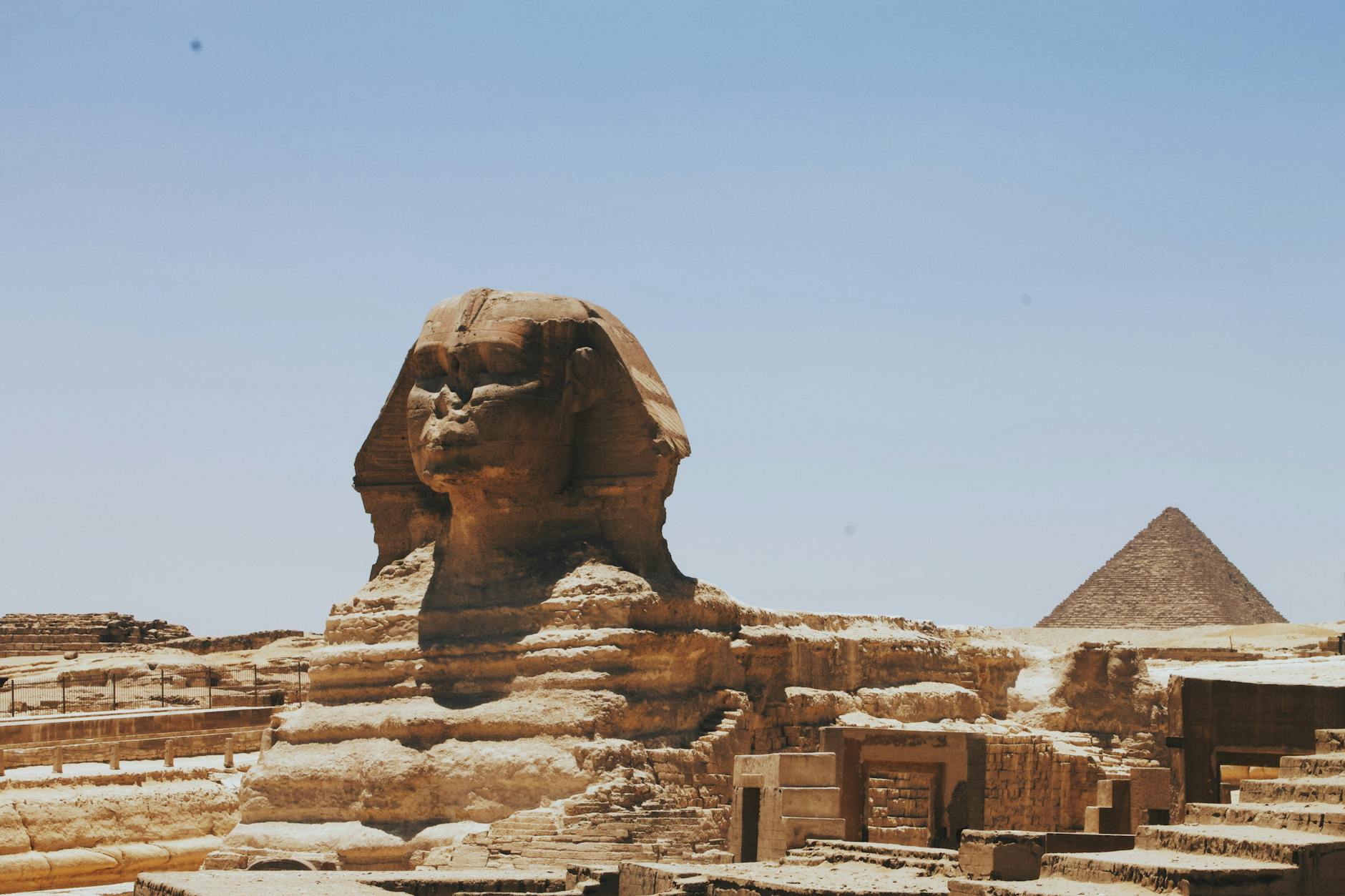
Jabez

20241218

Photo by Valentin S on Pexels.com

Jabez

1 Chronicles 4:1-43

1 Chronicles 4:1 Judah’s sons: Perez, Hezron, Carmi, Hur, and Shobal.
1 Chronicles 4:2 Reaiah son of Shobal fathered Jahath, and Jahath fathered Ahumai and Lahad. These were the families of the Zorathites.
1 Chronicles 4:3 These were Etam’s sons: Jezreel, Ishma, and Idbash, and their sister was named Hazzelelponi.
1 Chronicles 4:4 Penuel fathered Gedor, and Ezer fathered Hushah. These were the sons of Hur, Ephrathah’s firstborn and the father of Bethlehem:
1 Chronicles 4:5 Ashhur fathered Tekoa and had two wives, Helah and Naarah.
1 Chronicles 4:6 Naarah bore Ahuzzam, Hepher, Temeni, and Haahashtari to him. These were Naarah’s sons.
1 Chronicles 4:7 Helah’s sons: Zereth, Zohar, and Ethnan.
1 Chronicles 4:8 Koz fathered Anub, Zobebah, and the families of Aharhel son of Harum.
1 Chronicles 4:9 Jabez was more honored than his brothers. His mother named him Jabez and said, “I gave birth to him in pain.”
1 Chronicles 4:10 Jabez called out to the God of Israel: “If only you would bless me, extend my border, let your hand be with me, and keep me from harm, so that I will not experience pain.” And God granted his request.
1 Chronicles 4:11 Chelub brother of Shuhah fathered Mehir, who was the father of Eshton.
1 Chronicles 4:12 Eshton fathered Beth-rapha, Paseah, and Tehinnah the father of Irnahash. These were the men of Recah.
1 Chronicles 4:13 Kenaz’s sons: Othniel and Seraiah. Othniel’s sons: Hathath and Meonothai.
1 Chronicles 4:14 Meonothai fathered Ophrah, and Seraiah fathered Joab, the ancestor of those in the Craftsmen’s Valley, for they were craftsmen.
1 Chronicles 4:15 The sons of Caleb son of Jephunneh: Iru, Elah, and Naam. Elah’s son: Kenaz.
1 Chronicles 4:16 Jehallelel’s sons: Ziph, Ziphah, Tiria, and Asarel.
1 Chronicles 4:17 Ezrah’s sons: Jether, Mered, Epher, and Jalon. Mered’s wife Bithiah gave birth to Miriam, Shammai, and Ishbah the father of Eshtemoa.
1 Chronicles 4:18 These were the sons of Pharaoh’s daughter Bithiah; Mered had married her. His Judean wife gave birth to Jered the father of Gedor, Heber the father of Soco, and Jekuthiel the father of Zanoah.
1 Chronicles 4:19 The sons of Hodiah’s wife, the sister of Naham: the father of Keilah the Garmite and the father of Eshtemoa the Maacathite.
1 Chronicles 4:20 Shimon’s sons: Amnon, Rinnah, Ben-hanan, and Tilon. Ishi’s sons: Zoheth and Ben-zoheth.
1 Chronicles 4:21 The sons of Shelah son of Judah: Er the father of Lecah, Laadah the father of Mareshah, the families of the guild of linen workers at Beth-ashbea,
1 Chronicles 4:22 Jokim, the men of Cozeba; and Joash and Saraph, who married Moabites and returned to Lehem. These names are from ancient records.
1 Chronicles 4:23 They were the potters and residents of Netaim and Gederah. They lived there in the service of the king.
1 Chronicles 4:24 Simeon’s sons: Nemuel, Jamin, Jarib, Zerah, and Shaul;
1 Chronicles 4:25 Shaul’s sons: his son Shallum, his son Mibsam, and his son Mishma.
1 Chronicles 4:26 Mishma’s sons: his son Hammuel, his son Zaccur, and his son Shimei.
1 Chronicles 4:27 Shimei had sixteen sons and six daughters, but his brothers did not have many children, so their whole family did not become as numerous as the Judeans.
1 Chronicles 4:28 They lived in Beer-sheba, Moladah, Hazar-shual,
1 Chronicles 4:29 Bilhah, Ezem, Tolad,
1 Chronicles 4:30 Bethuel, Hormah, Ziklag,
1 Chronicles 4:31 Beth-marcaboth, Hazar-susim, Beth-biri, and Shaaraim. These were their cities until David became king.
1 Chronicles 4:32 Their villages were Etam, Ain, Rimmon, Tochen, and Ashan– five cities,
1 Chronicles 4:33 and all their surrounding villages as far as Baal. These were their settlements, and they kept a genealogical record for themselves.
1 Chronicles 4:34 Meshobab, Jamlech, Joshah son of Amaziah,
1 Chronicles 4:35 Joel, Jehu son of Joshibiah, son of Seraiah, son of Asiel,
1 Chronicles 4:36 Elioenai, Jaakobah, Jeshohaiah, Asaiah, Adiel, Jesimiel, Benaiah,
1 Chronicles 4:37 and Ziza son of Shiphi, son of Allon, son of Jedaiah, son of Shimri, son of Shemaiah–
1 Chronicles 4:38 these mentioned by name were leaders in their families. Their ancestral houses increased greatly.
1 Chronicles 4:39 They went to the entrance of Gedor, to the east side of the valley to seek pasture for their flocks.
1 Chronicles 4:40 They found rich, good pasture, and the land was broad, peaceful, and quiet, for some Hamites had lived there previously.
1 Chronicles 4:41 These who were recorded by name came in the days of King Hezekiah of Judah, attacked the Hamites’ tents and the Meunites who were found there, and set them apart for destruction, as they are today. Then they settled in their place because there was pasture for their flocks.
1 Chronicles 4:42 Now five hundred men from these sons of Simeon went with Pelatiah, Neariah, Rephaiah, and Uzziel, the descendants of Ishi, as their leaders to Mount Seir.
1 Chronicles 4:43 They struck down the remnant of the Amalekites who had escaped, and they still live there today.

Jabez

The prayer of Jabez became a popular topic a few years back. It stands as a kind of spiritual oasis in the midst of these genealogical records. Jabez probably feared that his name (which contained the same Hebrew letters as the word “pain”) would bring him misfortune. His fears were misguided, but at least he knew where to take them. He prayed to his God, and left his fate in the LORD’s hands.

Everyone has something they fear. For me it was an early death. Both my father and my brother died in their 50’s, and I am 63. I inherited the blood disorder that killed them. I did not know if it would take me last decade, but it was possible. The only thing I could do is what Jabez did – take my fears to the LORD.

LORD, here are our fears. You are our help, and our confidence.

Get any of Jeff’s books here!

Posted in fear, trust | Tagged | Leave a comment

a dysfunctional lot

20241217

Photo by Johannes Plenio on Pexels.com

a dysfunctional lot

1 Chronicles 3:1-24

1 Chronicles 3:1 These were David’s sons who were born to him in Hebron: Amnon was the firstborn, by Ahinoam of Jezreel; Daniel was born second, by Abigail of Carmel;
1 Chronicles 3:2 Absalom son of Maacah, daughter of King Talmai of Geshur, was third; Adonijah son of Haggith was fourth;
1 Chronicles 3:3 Shephatiah, by Abital, was fifth; and Ithream, by David’s wife Eglah, was sixth.
1 Chronicles 3:4 Six sons were born to David in Hebron, where he reigned seven years and six months, and he reigned in Jerusalem thirty-three years.
1 Chronicles 3:5 These sons were born to him in Jerusalem: Shimea, Shobab, Nathan, and Solomon. These four were born to him by Bath-shua daughter of Ammiel.
1 Chronicles 3:6 David’s other sons: Ibhar, Elishua, Eliphelet,
1 Chronicles 3:7 Nogah, Nepheg, Japhia,
1 Chronicles 3:8 Elishama, Eliada, and Eliphelet– nine sons.
1 Chronicles 3:9 These were all David’s sons, with their sister Tamar, in addition to the sons by his concubines.
1 Chronicles 3:10 Solomon’s son was Rehoboam; his son was Abijah, his son Asa, his son Jehoshaphat,
1 Chronicles 3:11 his son Jehoram, his son Ahaziah, his son Joash,
1 Chronicles 3:12 his son Amaziah, his son Azariah, his son Jotham,
1 Chronicles 3:13 his son Ahaz, his son Hezekiah, his son Manasseh,
1 Chronicles 3:14 his son Amon, and his son Josiah.
1 Chronicles 3:15 Josiah’s sons: Johanan was the firstborn, Jehoiakim second, Zedekiah third, and Shallum fourth.
1 Chronicles 3:16 Jehoiakim’s sons: his sons Jeconiah and Zedekiah.
1 Chronicles 3:17 The sons of Jeconiah the captive: his sons Shealtiel,
1 Chronicles 3:18 Malchiram, Pedaiah, Shenazzar, Jekamiah, Hoshama, and Nedabiah.
1 Chronicles 3:19 Pedaiah’s sons: Zerubbabel and Shimei. Zerubbabel’s sons: Meshullam and Hananiah, with their sister Shelomith;
1 Chronicles 3:20 and five others– Hashubah, Ohel, Berechiah, Hasadiah, and Jushab-hesed.
1 Chronicles 3:21 Hananiah’s descendants: Pelatiah, Jeshaiah, and the sons of Rephaiah, Arnan, Obadiah, and Shecaniah.
1 Chronicles 3:22 The son of Shecaniah: Shemaiah. Shemaiah’s sons: Hattush, Igal, Bariah, Neariah, and Shaphat — six.
1 Chronicles 3:23 Neariah’s sons: Elioenai, Hizkiah, and Azrikam– three.
1 Chronicles 3:24 Elioenai’s sons: Hodaviah, Eliashib, Pelaiah, Akkub, Johanan, Delaiah, and Anani — seven.

a dysfunctional lot

In the center of this three chapter genealogy is the line of David. Long after the demise of the Davidic monarchy, records of David’s line are kept and published. There is still hope that a man will come from Judah’s line who will bring restoration and peace to this troubled people. Every story in the Chronicles is a reminder that God is at work in the lives of these people, but they are a dysfunctional lot. The redeemer has not come yet.

So, today, there is a similar outlook with the church. Our God is at work in our lives, but there is a missing piece to the puzzle. The church is dysfunctional, but she exists. Some become disappointed with the church and separate themselves from her, but she is the bride of Christ. He is coming back for her.

LORD, give us the courage to be and stay faithful to your bride.

Get any of Jeff’s books here!

Posted in church, faithfulness | Tagged | Leave a comment

failure and hope

20241216

Photo by veeterzy on Pexels.com

failure and hope

1 Chronicles 2:1-55

1 Chronicles 2:1 These were Israel’s sons: Reuben, Simeon, Levi, Judah, Issachar, Zebulun,
1 Chronicles 2:2 Dan, Joseph, Benjamin, Naphtali, Gad, and Asher.
1 Chronicles 2:3 Judah’s sons: Er, Onan, and Shelah. These three were born to him by Bath-shua the Canaanite woman. Er, Judah’s firstborn, was evil in Yahveh’s sight, so he put him to death.
1 Chronicles 2:4 Judah’s daughter-in-law Tamar bore Perez and Zerah to him. Judah had five sons in all.
1 Chronicles 2:5 Perez’s sons: Hezron and Hamul.
1 Chronicles 2:6 Zerah’s sons: Zimri, Ethan, Heman, Calcol, and Dara — five in all.
1 Chronicles 2:7 Carmi’s son: Achar, who brought trouble on Israel when he was unfaithful by taking the things set apart for destruction.
1 Chronicles 2:8 Ethan’s son: Azariah.
1 Chronicles 2:9 Hezron’s sons, who were born to him: Jerahmeel, Ram, and Chelubai.
1 Chronicles 2:10 Ram fathered Amminadab, and Amminadab fathered Nahshon, a leader of Judah’s descendants.
1 Chronicles 2:11 Nahshon fathered Salma, and Salma fathered Boaz.
1 Chronicles 2:12 Boaz fathered Obed, and Obed fathered Jesse.
1 Chronicles 2:13 Jesse fathered Eliab, his firstborn; Abinadab was born second, Shimea third,
1 Chronicles 2:14 Nethanel fourth, Raddai fifth,
1 Chronicles 2:15 Ozem sixth, and David seventh.
1 Chronicles 2:16 Their sisters were Zeruiah and Abigail. Zeruiah’s three sons: Abishai, Joab, and Asahel.
1 Chronicles 2:17 Amasa’s mother was Abigail, and his father was Jether the Ishmaelite.
1 Chronicles 2:18 Caleb son of Hezron had children by his wife Azubah and by Jerioth. These were Azubah’s sons: Jesher, Shobab, and Ardon.
1 Chronicles 2:19 When Azubah died, Caleb married Ephrath, and she bore Hur to him.
1 Chronicles 2:20 Hur fathered Uri, and Uri fathered Bezalel.
1 Chronicles 2:21 After this, Hezron slept with the daughter of Machir the father of Gilead. Hezron had married her when he was sixty years old, and she bore Segub to him.
1 Chronicles 2:22 Segub fathered Jair, who possessed twenty-three towns in the land of Gilead.
1 Chronicles 2:23 But Geshur and Aram captured Jair’s Villages along with Kenath and its surrounding villages– sixty towns. All these were the descendants of Machir father of Gilead.
1 Chronicles 2:24 After Hezron’s death in Caleb-ephrathah, his wife Abijah bore Ashhur to him. He was the father of Tekoa.
1 Chronicles 2:25 The sons of Jerahmeel, Hezron’s firstborn: Ram, his firstborn, Bunah, Oren, Ozem, and Ahijah.
1 Chronicles 2:26 Jerahmeel had another wife named Atarah, who was the mother of Onam.
1 Chronicles 2:27 The sons of Ram, Jerahmeel’s firstborn: Maaz, Jamin, and Eker.
1 Chronicles 2:28 Onam’s sons: Shammai and Jada. Shammai’s sons: Nadab and Abishur.
1 Chronicles 2:29 Abishur’s wife was named Abihail, who bore Ahban and Molid to him.
1 Chronicles 2:30 Nadab’s sons: Seled and Appaim. Seled died without children.
1 Chronicles 2:31 Appaim’s son: Ishi. Ishi’s son: Sheshan. Sheshan’s descendant: Ahlai.
1 Chronicles 2:32 The sons of Jada, brother of Shammai: Jether and Jonathan. Jether died without children.
1 Chronicles 2:33 Jonathan’s sons: Peleth and Zaza. These were the descendants of Jerahmeel.
1 Chronicles 2:34 Sheshan had no sons, only daughters, but he did have an Egyptian servant whose name was Jarha.
1 Chronicles 2:35 Sheshan gave his daughter in marriage to his servant Jarha, and she bore Attai to him.
1 Chronicles 2:36 Attai fathered Nathan, and Nathan fathered Zabad.
1 Chronicles 2:37 Zabad fathered Ephlal, and Ephlal fathered Obed.
1 Chronicles 2:38 Obed fathered Jehu, and Jehu fathered Azariah.
1 Chronicles 2:39 Azariah fathered Helez, and Helez fathered Elasah.
1 Chronicles 2:40 Elasah fathered Sismai, and Sismai fathered Shallum.
1 Chronicles 2:41 Shallum fathered Jekamiah, and Jekamiah fathered Elishama.
1 Chronicles 2:42 The sons of Caleb brother of Jerahmeel: Mesha, his firstborn, fathered Ziph, and Mareshah, his second son, fathered Hebron.
1 Chronicles 2:43 Hebron’s sons: Korah, Tappuah, Rekem, and Shema.
1 Chronicles 2:44 Shema fathered Raham, who fathered Jorkeam, and Rekem fathered Shammai.
1 Chronicles 2:45 Shammai’s son was Maon, and Maon fathered Beth-zur.
1 Chronicles 2:46 Caleb’s concubine Ephah was the mother of Haran, Moza, and Gazez. Haran fathered Gazez.
1 Chronicles 2:47 Jahdai’s sons: Regem, Jotham, Geshan, Pelet, Ephah, and Shaaph.
1 Chronicles 2:48 Caleb’s concubine Maacah was the mother of Sheber and Tirhanah.
1 Chronicles 2:49 She was also the mother of Shaaph, Madmannah’s father, and of Sheva, the father of Machbenah and Gibea. Caleb’s daughter was Achsah.
1 Chronicles 2:50 These were Caleb’s descendants. The sons of Hur, Ephrathah’s firstborn: Shobal fathered Kiriath-jearim;
1 Chronicles 2:51 Salma fathered Bethlehem, and Hareph fathered Beth-gader.
1 Chronicles 2:52 These were the descendants of Shobal the father of Kiriath-jearim: Haroeh, half of the Manahathites,
1 Chronicles 2:53 and the families of Kiriath-jearim — the Ithrites, Puthites, Shumathites, and Mishraites. The Zorathites and Eshtaolites descended from these.
1 Chronicles 2:54 Salma’s descendants: Bethlehem, the Netophathites, Atroth-beth-joab, and half of the Manahathites, the Zorites,
1 Chronicles 2:55 and the families of scribes who lived in Jabez– the Tirathites, Shimeathites, and Sucathites. These are the Kenites who came from Hammath, the father of Rechab’s family.

failure and hope

Looking back on this family record, the remnants of Judah are seeking some kind of word from God that explains who they are and where they are going. Their story is one of brokenness and failure. They have plenty of skeletons in their closet. Even Judah himself acted irresponsibly toward Tamar, but finally admitted that she was more righteous than himself. There is Achan as well, who troubled the whole people with his greed.

But there is also the proof in these records of a faithful God who preserved and prospered his people. Judah is left hanging by a thread at this time, but they also know that God is able to preserve them, and to bring back their honor. These are the chronicles of a people who refuse to forget God.

LORD, make us a people who refuse to forget what you have done for us, and still hope in you.

Get any of Jeff’s books here!

Posted in family, hope, sin | Tagged | Leave a comment

roots and branches

20241215

Photo by Felix Mittermeier on Pexels.com

roots and branches

1 Chronicles 1:1-54

1 Chronicles 1:1 Adam, Seth, Enosh,
1 Chronicles 1:2 Kenan, Mahalalel, Jared,
1 Chronicles 1:3 Enoch, Methuselah, Lamech,
1 Chronicles 1:4 Noah, Noah’s sons: Shem, Ham, and Japheth.
1 Chronicles 1:5 Japheth’s sons: Gomer, Magog, Madai, Javan, Tubal, Meshech, and Tiras.
1 Chronicles 1:6 Gomer’s sons: Ashkenaz, Riphath, and Togarmah.
1 Chronicles 1:7 Javan’s sons are Elishah, Tarshish, Kittim, and Rodanim.
1 Chronicles 1:8 Ham’s sons are Cush, Mizraim, Put, and Canaan.
1 Chronicles 1:9 Cush’s sons: Seba, Havilah, Sabta, Raama, and Sabteca. Raama’s sons: Sheba and Dedan.
1 Chronicles 1:10 Cush fathered Nimrod, who was the first to become a great warrior on the land.
1 Chronicles 1:11 Mizraim fathered the people of Lud, Anam, Lehab, Naphtuh,
1 Chronicles 1:12 Pathrus, Casluh (the Philistines came from them), and Caphtor.
1 Chronicles 1:13 Canaan fathered Sidon as his firstborn and Heth,
1 Chronicles 1:14 as well as the Jebusites, Amorites, Girgashites,
1 Chronicles 1:15 Hivites, Arkites, Sinites,
1 Chronicles 1:16 Arvadites, Zemarites, and Hamathites.
1 Chronicles 1:17 Shem’s sons: Elam, Asshur, Arpachshad, Lud, Aram, Uz, Hul, Gether, and Meshech.
1 Chronicles 1:18 Arpachshad fathered Shelah, and Shelah fathered Eber.
1 Chronicles 1:19 Two sons were born to Eber. One of them was named Peleg because the land was divided during his lifetime, and his brother’s name was Joktan.
1 Chronicles 1:20 Joktan fathered Almodad, Sheleph, Hazarmaveth, Jerah,
1 Chronicles 1:21 Hadoram, Uzal, Diklah,
1 Chronicles 1:22 Ebal, Abimael, Sheba,
1 Chronicles 1:23 Ophir, Havilah, and Jobab. All of these were Joktan’s sons.
1 Chronicles 1:24 Shem, Arpachshad, Shelah,
1 Chronicles 1:25 Eber, Peleg, Reu,
1 Chronicles 1:26 Serug, Nahor, Terah,
1 Chronicles 1:27 and Abram (that is, Abraham).
1 Chronicles 1:28 Abraham’s sons: Isaac and Ishmael.
1 Chronicles 1:29 These are their family records: Nebaioth, Ishmael’s firstborn, Kedar, Adbeel, Mibsam,
1 Chronicles 1:30 Mishma, Dumah, Massa, Hadad, Tema,
1 Chronicles 1:31 Jetur, Naphish, and Kedemah. These were Ishmael’s sons.
1 Chronicles 1:32 The sons born to Keturah, Abraham’s concubine: Zimran, Jokshan, Medan, Midian, Ishbak, and Shuah. Jokshan’s sons: Sheba and Dedan.
1 Chronicles 1:33 Midian’s sons: Ephah, Epher, Hanoch, Abida, and Eldaah. All of these were Keturah’s descendants.
1 Chronicles 1:34 Abraham fathered Isaac. Isaac’s sons: Esau and Israel.
1 Chronicles 1:35 Esau’s sons: Eliphaz, Reuel, Jeush, Jalam, and Korah.
1 Chronicles 1:36 Eliphaz’s sons: Teman, Omar, Zephi, Gatam, and Kenaz; and by Timna, Amalek.
1 Chronicles 1:37 Reuel’s sons: Nahath, Zerah, Shammah, and Mizzah.
1 Chronicles 1:38 Seir’s sons: Lotan, Shobal, Zibeon, Anah, Dishon, Ezer, and Dishan.
1 Chronicles 1:39 Lotan’s sons: Hori and Homam. Timna was Lotan’s sister.
1 Chronicles 1:40 Shobal’s sons: Alian, Manahath, Ebal, Shephi, and Onam. Zibeon’s sons: Aiah and Anah.
1 Chronicles 1:41 Anah’s son: Dishon. Dishon’s sons are Hamran, Eshban, Ithran, and Cheran.
1 Chronicles 1:42 Ezer’s sons are Bilhan, Zaavan, and Jaakan. Dishan’s sons: Uz and Aran.
1 Chronicles 1:43 These kings reigned in the land of Edom before any king reigned over the Israelites: Bela, son of Beor. Bela’s town was named Dinhabah.
1 Chronicles 1:44 When Bela died, Jobab, son of Zerah from Bozrah, reigned in his place.
1 Chronicles 1:45 When Jobab died, Husham from the land of the Temanites reigned in his place.
1 Chronicles 1:46 When Husham died, Hadad, son of Bedad, who defeated Midian in the territory of Moab, reigned in his place. Hadad’s town was named Avith.
1 Chronicles 1:47 When Hadad died, Samlah from Masrekah reigned in his place.
1 Chronicles 1:48 When Samlah died, Shaul from Rehoboth on the Euphrates River reigned in his place.
1 Chronicles 1:49 When Shaul died, Baal-Hanan, son of Achbor, reigned in his place.
1 Chronicles 1:50 When Baal-Hanan died, Hadad reigned in his place. Hadad’s city was named Pai, and his wife’s name was Mehetabel, daughter of Matred and daughter of Me-zahab.
1 Chronicles 1:51 Then Hadad died. Edom’s chiefs: Timna, Alvah, Jetheth,
1 Chronicles 1:52 Oholibamah, Elah, Pinon,
1 Chronicles 1:53 Kenaz, Teman, Mibzar,
1 Chronicles 1:54 Magdiel and Iram. These were Edom’s chiefs.

roots and branches

The list of names in this chapter is impressive. Although the chapter traces some of the family tree of Israel, it mostly lists the descendants of Adam who branched off to make an impact on the world in another way. People hearing these words in biblical times would be impressed by how many geographical names they include. They would have heard of great places in the world, and this chapter will remind them that great places were founded by great people. Israelites hearing these words would also hear the names of their enemies: the descendants of Esau, Ishmael, Egypt.

I am fascinated by the PBS program “Finding Your Roots.” Each episode traces the ancestry of some celebrities, reveling secrets they did not know about their family — and thus themselves.

What kind of an impact on this world will we make? When people hear our name on a genealogy list long after we are gone, will it be with pride, disgust, or indifference? It is time to make an impact for the gospel.

LORD, guide our lives so that we make a difference for you.

Get any of Jeff’s books here!

Posted in evangelism, family, witness | Tagged | Leave a comment

When he takes away

20241214

Photo by Andre Estevez on Pexels.com

When he takes away

Jonah 4:1-11

Jonah 4:1 Jonah was extremely upset and became furious.
Jonah 4:2 He prayed to Yahveh: “Please, Yahveh, isn’t this what I thought while I was still in my own country? That’s why I ran away toward Tarshish in the first place. I knew that you are a gracious and compassionate God, slow to anger, with very faithful love, and one who relents from sending disaster.
Jonah 4:3 And now, Yahveh, take my throat from me, because it is better for me to die than to live.”
Jonah 4:4 Yahveh asked, “Is it right for you to be angry?”
Jonah 4:5 Jonah left the city and found a place east of it. He made himself a shelter there and sat in its shade to see what would happen to the city.
Jonah 4:6 Then Yahveh God appointed a plant, and it grew over Jonah to provide shade for his head to rescue him from his trouble. Jonah was greatly pleased with the plant.
Jonah 4:7 When dawn came the next day, God appointed a worm that attacked the plant, and it withered.
Jonah 4:8 As the sun rose, God appointed a scorching east wind. The sun beat down on Jonah’s head so much that he almost fainted, and he wanted his throat to die. He said, “It’s better for me to die than to live.”
Jonah 4:9 Then God asked Jonah, “Is it right for you to be angry about the plant?” “Yes, it’s right!” he replied. “I’m angry enough to die!”
Jonah 4:10 So Yahveh said, “You cared about the plant, which you did not labor over and did not grow. It appeared in a night and perished in a night.
Jonah 4:11 But should I not care about the great city of Nineveh, which has more than a hundred and twenty thousand people who cannot distinguish between their right and their left, as well as many animals?”

When he takes away

Jonah had no real reason to be angry at God because of the worm. Jonah did not plant that plant. God did. God did not owe Jonah another comfortable day.

You and I have to come to grips with God’s sovereignty. He does things according to his plan, and he does not have to get our approval to do it.

This applies to our prayer list as well. We have a list of people who we ask God to heal and save every day. But God in his sovereignty does not heal and save these people every day. He has reasons for what he does, and reasons for what he doesn’t do. At the end of the day, we need to evaluate what happened and what did not happen on the basis of God’s sovereignty. We need to be able to say what Job did when he lost everything: “The LORD gives, and the LORD takes away. May the name of the LORD be blessed!” (Job 1:21 NET).

Read the whole sermon here.

Get any of Jeff’s books here!

Posted in prayer, sovereignty of God | Tagged | Leave a comment

what God wants

20241213

Photo by Magda Ehlers on Pexels.com

what God wants

Jonah 3:1-10

Jonah 3:1 Yahveh’s word happened to Jonah a second time:
Jonah 3:2 “Get up! Go to the great city of Nineveh and preach the message that I tell you.”
Jonah 3:3 Jonah got up and went to Nineveh according to Yahveh’s command. Now Nineveh was an extremely great city, a three-day walk.
Jonah 3:4 Jonah set out on the first day of his walk in the city and yelled, “In forty days Nineveh will be demolished!”
Jonah 3:5 Then the people of Nineveh believed God. They declared a fast and dressed in sackcloth — from the greatest of them to the least.
Jonah 3:6 When word reached the king of Nineveh, he got up from his throne, took off his royal robe, put on sackcloth, and sat in ashes.
Jonah 3:7 Then he issued a decree in Nineveh: By order of the king and his nobles: No person or animal, herd or flock, is to taste anything at all. They must not eat or drink water.
Jonah 3:8 Furthermore, people and animals must be covered with sackcloth, and everyone must call out earnestly to God. Each must turn from his evil ways and from his wrongdoing.
Jonah 3:9 Who knows? God may turn and relent; he may turn from his burning anger so we will not perish.
Jonah 3:10 God saw their actions — that they had turned from their evil ways — so God relented from the disaster he had threatened them with. And he did not do it.

what God wants

God did not want to destroy Nineveh. He wanted to rescue them. He wanted to avoid the punishment Jonah warned them about.

God does not want to destroy Delco either. We owe it to our neighbors to let them know that God will punish those who rebel against him. But we also need to tell them that it doesn’t have to be that way.

“God did not send his Son into the world to condemn the world, but that the world should be saved through him” (John 3:17 NET).

The purpose of God is not revenge, it’s rescue. If people refuse to repent, they will be destroyed. Make no mistake about that. But for thousands of years, our commission has been to declare the good news to the nations. The good news is that we can avoid Gehenna.

The full sermon is here.

Get any of Jeff’s books here!

Posted in deliverance, evangelism, witness | Tagged , , , , | Leave a comment

prayer from the fish

20241212

Photo by Red Brick on Pexels.com

prayer from the fish

Jonah 1:17-2:10

Jonah 1:17 Yahveh supplied a great fish to swallow Jonah, and Jonah was in the belly of the fish three days and three nights.
Jonah 2:1 Jonah prayed to Yahveh his God from the stomach of the fish:
Jonah 2:2 I called Yahveh in distress, and he answered me. I cried out for help from the belly of Sheol; you heard my voice.
Jonah 2:3 You threw me into the depths, into the heart of the seas, and the current overcame me. All your breakers and your billows swept over me.
Jonah 2:4 But I said, “I have been banished from your sight, yet I will look again toward your holy temple.
Jonah 2:5 The water engulfed me up to the neck; the watery depths overcame me; seaweed was wrapped around my head.
Jonah 2:6 I sank to the foundations of the mountains, the land’s gates shut behind me forever! Then you raised my life from the Pit, Yahveh my God!
Jonah 2:7 As my life was fading away on me, I remembered Yahveh, and my prayer came to you, to your holy temple.
Jonah 2:8 Those who cherish worthless idols abandon their faithful love,
Jonah 2:9 but as for me, I will sacrifice to you with a voice of thanksgiving. I will fulfill what I have vowed. Salvation belongs to Yahveh.”
Jonah 2:10 Then Yahveh spoke to the fish, and it vomited Jonah onto dry land.

prayer from the fish

Jonah was in the belly of Sheol when he was drowning in the water — before he was in the stomach of the fish. In verse 7, Jonah says that when his life was ebbing away, he called out to the LORD, and his prayer came to God’s holy temple. Jonah’s prayer from the fish was not a prayer for help, is was a prayer of gratitude (8-10). The fish was not Sheol. The fish was God’s gift to Jonah. It was his means of rescue from the grave. Jonah’s prayer from the fish was not a prayer for help, it was a prayer of gratitude because God spared his life.

You may be in an uncomfortable situation today, and you will be tempted to be bitter at God for it. But this situation you now face might turn out to be God’s means of getting you back to where you should be. Be grateful for the fish and fulfill your vows.

(see also: this sermon and this article).

Get any of Jeff’s books here!

Posted in prayer, thanksgiving | Tagged | Leave a comment

no escape

20241211

Photo by Andrea Holien on Pexels.com

no escape

Jonah 1:1-16

Jonah 1:1 The word of Yahveh came to Jonah son of Amittai:
Jonah 1:2 “Get up! Go to the great city of Nineveh and preach against it because their evil has come up before me.”
Jonah 1:3 Jonah got up to run away to Tarshish from Yahveh’s presence. He went down to Joppa and found a ship going to Tarshish. He paid the fare and went down into it to go with them to Tarshish from Yahveh’s presence.
Jonah 1:4 But Yahveh threw a great wind onto the sea, and such a great storm arose on the sea that the ship threatened to break apart.
Jonah 1:5 The sailors were afraid, and each cried out to his god. They threw the ship’s cargo into the sea to lighten the load. Meanwhile, Jonah had gone down to the lowest part of the vessel and had stretched out and fallen into a deep sleep.
Jonah 1:6 The captain approached him and said, “What are you doing sound asleep? Get up! Call to your god. Maybe this god will consider us, and we won’t perish.”
Jonah 1:7 “Come on!” the sailors said to each other. “Let’s cast lots. Then we’ll know who is to blame for this trouble we’re in.” So, they cast lots, and the lot singled out Jonah.
Jonah 1:8 Then they told him, “Tell us who is to blame for this trouble we’re in. What is your business, and where are you from? What is your land, and what people are you from?”
Jonah 1:9 He answered them, “I’m a Hebrew. I worship Yahveh, the God of the sky, who made the sea and the dry land.”
Jonah 1:10 Then the men were seized by great fear and said to him, “What is this you’ve done?” The men knew he was running away from Yahveh’s presence because he had told them.
Jonah 1:11 So they asked him, “What should we do to you so that the sea will calm down for us?” Because the sea was getting worse and worse.
Jonah 1:12 He answered them, “Pick me up and throw me into the sea so that it will calm down for you, for I know that I’m to blame for this great storm that is against you.”
Jonah 1:13 Instead, the men rowed hard to get back to dry land, but they couldn’t because the sea was raging against them more and more.
Jonah 1:14 So they called out to Yahveh: “Please, Lord, don’t let us perish because of this man’s soul, and don’t charge us with innocent blood! For you, Lord, have done just as you pleased.”
Jonah 1:15 They picked up Jonah and threw him into the sea, and the sea stopped raging.
Jonah 1:16 The men were seized by great fear of Yahveh, and they offered a sacrifice to Yahveh and made vows.

no escape

In my sermon on this text, I said “Jonah thought he could escape from the commission of the LORD. He traveled to Joppa and found a merchant ship heading to Tarshish. So he paid the fare and went aboard it to go with them to Tarshish because he thought that distance would be far enough away from the LORD for him to ignore his commission. It wasn’t. No place is.

Our God is omnipresent. We could get in a spaceship and go to the far reaches of the Galaxy, and we will not have traveled one inch away from God. He is everywhere. If he gives us a commission, there is no place we can go to escape from it. Guess what? He has given us a commission. He told us to go to every place on the planet and share his good news.

We cannot escape his commission by going somewhere, neither can we escape it by ignoring it. Jonah thought that if he just focused on going away, that he could ignore God’s command for him to go to the particular place of Nineveh.

Jonah did not like the Ninevites. He was convinced that they were not worth saving. But our God has compassion on us all, even though none of us is worth saving. He sent the storm that day to keep some pagan Ninevites. He also sent the storm because some pagan sailors needed to be saved.

Posted in missions, providence, responsibility | Tagged | Leave a comment

grace is for growing

20241210

Photo by Raf Jabri on Pexels.com

grace is for growing

2 Peter 3:14-18

2 Peter 3:14 Therefore, cared for ones, while you wait for these things, make every effort to be found spotless and blameless in his sight, at peace.
2 Peter 3:15 Also, think about how our Lord is patiently waiting to deliver us, just as our brother Paul (whom we also care for) has written to you according to the wisdom given to him.
2 Peter 3:16 He speaks about these things in all his letters. There are some matters that are hard to understand. The untaught and unstable will twist them to their own destruction, as they do with the rest of the Scriptures.
2 Peter 3:17 Therefore, cared for ones, since you know this in advance, protect yourselves, so that you are not led away by the error of unprincipled people and fall from your own firm position.
2 Peter 3:18 But grow in the grace and knowledge of our Lord and Savior Jesus Christ. To him be the glory both now and into that permanent day.

grace is for growing

Paul championed the biblical doctrine of salvation by grace. But Paul also encountered those who assumed that grace from God meant that sanctification didn’t matter. They would quote Paul in reference to the completed work of justification, but ignore what he said about perseverance. Peter warned against such an approach.

Salvation is not like buying a plane ticket and passively waiting in the terminal for the plane to arrive. But, even using that simile, we can see what Peter is talking about here. The Lord is piloting the plane. The pilot is actively flying the plane to the terminal. A pilot might say “these people have already bought their tickets, so they are secure. If he thought that way, he might not fly the plane at all. In that case, none of the passengers would get to their destination. Fortunately, the pilot does not act that way. He actively flies the plane to the terminal, so that the passenges can embark.

Peter tells his readers to do their part while The Lord is doing his. We are to “make every effort to be found spotless and blameless in his sight, at peace.” That is not passive; it is active. Grace is not for staying the same. Grace is for growing.

Posted in deliverance, grace, obedience, perseverance | Tagged | Leave a comment

one day

20241209

Photo by picjumbo.com on Pexels.com

one day

2 Peter 3:1-13

2 Peter 3:1 Cared for ones, this is already the second letter I have written to you; in which I am seeking to wake up your pure understanding by way of reminder,
2 Peter 3:2 so that you recall the words previously spoken by the devoted prophets and the command of our Lord and Savior given through your missionaries.
2 Peter 3:3 Be aware of this first of all: Mocking mockers will come in the last days, following their own evil passions,
2 Peter 3:4 saying, “Where is his ‘arrival’ that he promised? Ever since our ancestors fell asleep, all things continue as they have been since the beginning of creation.”
2 Peter 3:5 It will escape their notice that by the word of God the sky came into being long ago and the land came into existence from water and through water.
2 Peter 3:6 by means of which the world of that time was destroyed when it was flooded with water.
2 Peter 3:7 By the same word, the present sky and land are reserved for fire, being kept for the day of judgment and destruction of the ungodly.
2 Peter 3:8 Cared for ones, don’t let this one fact escape your notice: With the Lord, one day is like a thousand years, and a thousand years is like one day.
2 Peter 3:9 The Lord is not delaying his promise, as some think of slowness, but is being patient with you, not wanting anyone to be destroyed but wanting everyone to come to repentance.
2 Peter 3:10 But that day of the Lord will have arrived like a thief; on that day the sky will pass away with a loud noise, the elements will burn and be dissolved, and the land and everything done on it will be disclosed.
2 Peter 3:11 Since all these things are to be demolished in this way, it is clear what sort of people you should be in devoted conduct and godliness
2 Peter 3:12 as you anticipate the day of God and hurry its arrival. Because of that day, the sky will be dissolved with fire, and the elements will melt from the burning heat.
2 Peter 3:13 But based on his promise, we expect a new sky and a new land, where righteousness is at home.

one day

Today is the ninth of December. It is only one day of many you have lived. You may be emotionally distraught this day, reeling from a loss you cannot understand. You may be excited and rejoicing this day, looking forward to all it offers. Or, this may be an ordinary day, passing without incident.

If you are without Christ today, today’s text is a warning. On a day like today, the universe was created by Almighty God. On a day like today, the old earth was destroyed by a flood. Most of its inhabitants were not ready, and were destroyed with it. On a day like today, another destruction will come — sudden and horrible.

Or, nothing significant may happen today because with the Lord, a thousand years is like a day. You may yet have time to return to your Maker and repent of your sins. You may have time to restore your relationship with him and with the others you have wronged.

Today might be your last ordinary day. How will you spend it?

Posted in Noah, responsibility, second coming | Tagged | Leave a comment