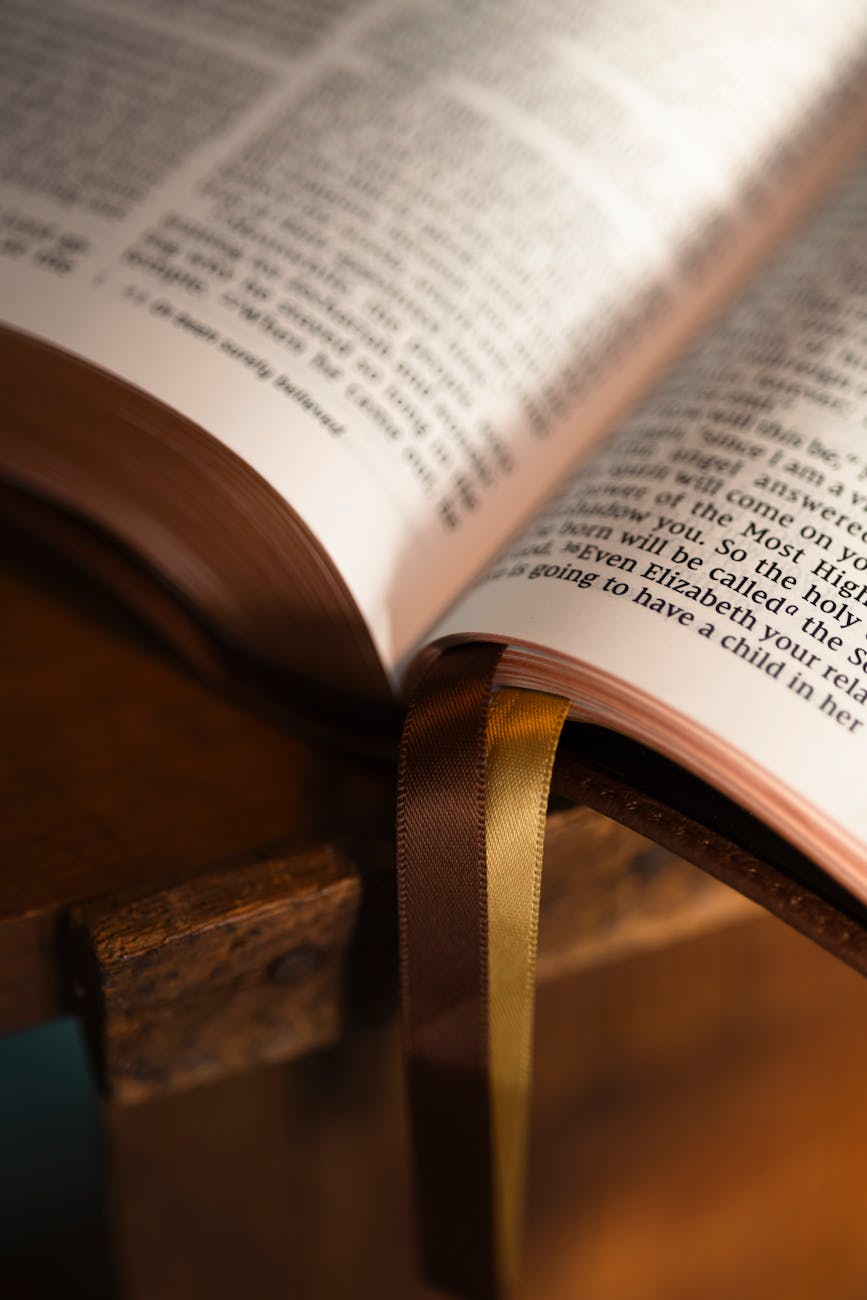
the king’s mind

20250406

Photo by sk on Pexels.com

the king’s mind

Ezra 7:1-28

Ezra 7:1 After these events, during the reign of King Artaxerxes of Persia, Ezra– Seraiah’s son, Azariah’s son, Hilkiah’s son,
Ezra 7:2 Shallum’s son, Zadok’s son, Ahitub’s son,
Ezra 7:3 Amariah’s son, Azariah’s son, Meraioth’s son,
Ezra 7:4 Zerahiah’s son, Uzzi’s son, Bukki’s son,
Ezra 7:5 Abishua’s son, Phinehas’s son, Eleazar’s son, the chief priest Aaron’s son
Ezra 7:6—He came up from Babylon. He was a scribe skilled in the law of Moses, which Yahveh, the God of Israel, had given. The king granted him everything he requested because the hand of Yahveh, his God, was on him.
Ezra 7:7 Some Israelites, priests, Levites, singers, gatekeepers, and temple servants accompanied him to Jerusalem in the seventh year of King Artaxerxes.
Ezra 7:8 Ezra came to Jerusalem in the fifth month, during the seventh year of the king.
Ezra 7:9 He began the journey from Babylon on the first day of the first month and arrived in Jerusalem on the first day of the fifth month since the gracious hand of his God was on him.
Ezra 7:10 Now, Ezra had determined to study the law of Yahveh, obey it, and teach its statutes and ordinances in Israel.
Ezra 7:11 This is the text of the letter King Artaxerxes gave to Ezra, the priest and scribe, an expert in matters of Yahveh’s commands and statutes for Israel:
Ezra 7:12 Artaxerxes, king of kings, to Ezra the priest, an expert in the law of the God of the sky: Greetings.
Ezra 7:13 I issue a decree that any Israelites in my kingdom, including their priests and Levites, who want to go to Jerusalem, may go with you.
Ezra 7:14 The king and his seven counselors send you to evaluate Judah and Jerusalem according to the law of your God, which is in your possession.
Ezra 7:15 You are also to bring the silver and gold the king and his counselors have willingly given to the God of Israel, whose dwelling is in Jerusalem,
Ezra 7:16 and all the silver and gold you receive throughout the province of Babylon, together with the donations given by the people and the priests to the house of their God in Jerusalem.
Ezra 7:17 Then you are to be diligent about buying bulls, rams, and lambs with this money, along with their grain and drink offerings, and offering them on the altar at the house of your God in Jerusalem.
Ezra 7:18 You and your brothers may do whatever seems best with the rest of the silver and gold, according to the will of your God.
Ezra 7:19 Deliver to the God of Jerusalem all the articles given to you for the service of the house of your God.
Ezra 7:20: You may use the royal treasury to pay for anything else needed for the house of your God.
Ezra 7:21 I, King Artaxerxes, issue a decree to all the treasurers in the region west of the Euphrates River: Whatever Ezra the priest, an expert in the law of the God of the sky, asks of you must be provided in full,
Ezra 7:22 up to 7,500 pounds of silver, 500 bushels of wheat, 550 gallons of wine, 550 gallons of oil, and salt without limit.
Ezra 7:23 Whatever is commanded by the God of the sky must be done diligently for the house of the God of the sky so that wrath will not fall on the realm of the king and his sons.
Ezra 7:24 Be advised that you do not have authority to impose tribute, duty, and land tax on any priests, Levites, singers, doorkeepers, temple servants, or other servants of this house of God.
Ezra 7:25 And you, Ezra, according to God’s wisdom that you possess, appoint magistrates and judges to judge all the people in the region west of the Euphrates who know the laws of your God and to teach anyone who does not know them.
Ezra 7:26 Anyone who does not keep the law of your God and the law of the king, let the appropriate judgment be executed against him, whether death, banishment, confiscation of property, or imprisonment.
Ezra 7:27 Blessed be Yahveh, the God of our fathers, who has put it into the king’s mind to glorify the house of Yahveh in Jerusalem,
Ezra 7:28 and who has shown favor to me before the king, his counselors, and all his influential officers. So, I took courage because I was strengthened by the hand of Yahveh, my God, and I gathered Israelite leaders to return with me.

the king’s mind

Ezra finally shows up in the book with his name on it. He thanks God for putting it into the king’s mind to glorify him. Was it simply benevolence that God put on the king’s mind? Probably it was fear as well. The phrase “so that wrath will not fall on the realm of the king and his sons” may indicate that. While we are praying for our rulers, as the Scriptures command us, we should not forget to pray that God instill in them a healthy fear of himself.

LORD, teach our leaders to respect you.

Posted in fear, leadership, prayer | Tagged | Leave a comment

the reverser

20250405

Photo by u00d6mer Aydu0131n on Pexels.com

the reverser

Ezra 6:1-22

Ezra 6:1 King Darius gave the order, and they searched in the library of Babylon in the archives.
Ezra 6:2 But it was in the fortress of Ecbatana in the province of Media that a scroll was found with this record written on it:
Ezra 6:3 In the first year of King Cyrus, he issued a decree concerning the house of God in Jerusalem: Let the house be rebuilt as a place for offering sacrifices, and let its original foundations be retained. Its height is to be ninety feet and its width ninety feet,
Ezra 6:4 with three layers of cut stones and one of timber. The cost is to be paid from the royal treasury.
Ezra 6:5 The gold and silver articles of God’s house that Nebuchadnezzar took from the temple in Jerusalem and carried to Babylon must also be returned. They are to be brought to the temple in Jerusalem, where they belong and put into the house of God.
Ezra 6:6 Therefore, you must stay away from that place, Tattenai, governor of the region west of the Euphrates River, Shethar-bozenai, and your colleagues, the officials in the area.
Ezra 6:7 Leave the construction of the house of God alone. Let the governor and elders of the Jews rebuild this house of God on its original site.
Ezra 6:8 I issue a decree concerning what you are to do so that the elders of the Jews can rebuild the house of God: The cost is to be paid in full to these men out of the royal revenues from the taxes of the region west of the Euphrates River so that the work will not stop.
Ezra 6:9 Whatever is needed– young bulls, rams, and lambs for burnt offerings to the God of the sky, or wheat, salt, wine, and oil, as requested by the priests in Jerusalem– let it be given to them every day without fail,
Ezra 6:10 so that they can offer sacrifices of pleasing aroma to the God of the sky and pray for the life of the king and his sons.
Ezra 6:11 I also issue a decree concerning any man who interferes with this directive: Let a beam be torn from his house and raised; he will be impaled on it, and his house will be made into a garbage dump because of this offense.
Ezra 6:12 May the God who caused his name to dwell there overthrow any king or people who dares to harm or interfere with this house of God in Jerusalem. I, Darius, have issued the decree. Let it be carried out diligently.
Ezra 6:13 Then Tattenai, governor of the region west of the Euphrates River, Shethar-bozenai, and their colleagues diligently carried out what King Darius had decreed.
Ezra 6:14 So the Jewish elders continued successfully with the building under the prophesying of Haggai the prophet and Zechariah, son of Iddo. They finished the building according to the command of the God of Israel and the decrees of Cyrus, Darius, and King Artaxerxes of Persia.
Ezra 6:15 This house was completed on the third day of the month of Adar in the sixth year of King Darius’s reign.
Ezra 6:16 Then the Israelites, including the priests, the Levites, and the rest of the exiles, celebrated the dedication of the house of God with joy.
Ezra 6:17 For the dedication of God’s house, they offered one hundred bulls, two hundred rams, four hundred lambs, and twelve male goats as a sin offering for all Israel– one for each Israelite tribe.
Ezra 6:18 They also appointed the priests by their divisions and the Levites by their groups to serve God in Jerusalem, according to what is written in the Book of Moses.
Ezra 6:19 The exiles observed the Passover on the fourteenth day of the first month.
Ezra 6:20 All priests and Levites were ceremonially clean because they had purified themselves. They killed the Passover lamb for themselves, their priestly brothers, and all the exiles.
Ezra 6:21 The Israelites who had returned from exile ate it, together with all who had separated themselves from the uncleanness of the Gentiles of the land to worship Yahveh, the God of Israel.
Ezra 6:22 They observed the Festival of Unleavened Bread for seven days with joy because Yahveh had made them joyful. He had changed the Assyrian king’s attitude toward them so that he supported them in the work on the house of the God of Israel.

the reverser

King Darius of the Medo-Persian empire now issues an even stronger edict to ensure that the remnant of Israel is helped and the temple is reconstructed. They celebrated because “Yahveh had made them joyful. He had changed the Assyrian king’s attitude toward them so that he supported them” (22). Of course, Darius was not king of the old empire of Assyria. He was king over the land that had once been occupied by Assyria. Ezra’s statement demonstrates the irony of the event. The Assyrians had been the first to conquer and exile God’s people. Now, the king from that land is helping them to return. Never underestimate the power of God to change people and reverse impossible situations.

LORD, surprise us again. Turn our impossible situations into declarations of praise.

Posted in encouragement, plan of God, praise | Tagged | Leave a comment

clarity

20250404

Photo by Zaksheuskaya on Pexels.com

clarity

Ezra 5:1-17

Ezra 5:1 But when the prophets Haggai and Zechariah son of Iddo prophesied to the Jews who were in Judah and Jerusalem, in the name of the God of Israel who was over them,
Ezra 5:2 Zerubbabel, son of Shealtiel, and Jeshua, son of Jozadak, began to rebuild God’s house in Jerusalem. The prophets of God were with them, helping them.
Ezra 5:3 At that time, Tattenai, the governor of the region west of the Euphrates River, Shethar-bozenai, and their colleagues came to the Jews and asked, “Who gave you the order to rebuild this temple and finish this structure?”
Ezra 5:4 They also asked them, “What are the names of the workers constructing this building?”
Ezra 5:5 But God was watching over the Jewish elders. These men wouldn’t stop them until a report was sent to Darius so that they could receive written instructions about this matter.
Ezra 5:6 This is the text of the letter that Tattenai, the governor of the region west of the Euphrates River, Shethar-bozenai, and their colleagues, the regional officials, sent to King Darius.
Ezra 5:7 They sent him a report, written as follows: To King Darius: All greetings.
Ezra 5:8 Let it be known to the king that we went to the house of the great God in the province of Judah. It is being built with cut stones, and its beams are set in the walls. This work is being done diligently and succeeding through the people’s efforts.
Ezra 5:9 So we asked the elders, “Who gave you the order to rebuild this temple and finish this structure?”
Ezra 5:10 We also asked them for their names so that we could write down the names of their leaders for your information.
Ezra 5:11 This is their reply: We are the servants of the God of the sky and land, and we are rebuilding the temple built many years ago, which a great king of Israel built and finished.
Ezra 5:12 But since our ancestors angered the God of the sky, he handed them over to King Nebuchadnezzar of Babylon, the Chaldean, who destroyed this temple and deported the people to Babylon.
Ezra 5:13 However, in the first year of King Cyrus of Babylon, he issued a decree to rebuild the house of God.
Ezra 5:14 He also took from the temple in Babylon the gold and silver articles of God’s house that Nebuchadnezzar had taken from the temple in Jerusalem and carried them to the temple in Babylon. He released them from the temple in Babylon to a man named Sheshbazzar, the governor by the appointment of King Cyrus.
Ezra 5:15 Cyrus told him, “Take these articles, put them in the temple in Jerusalem, and let the house of God be rebuilt on its original site.”
Ezra 5:16 This same Sheshbazzar laid the foundation of God’s house in Jerusalem. It has been under construction since then, but it has not been completed.
Ezra 5:17 So, if it pleases the king, let a search of the royal archives in Babylon be conducted to see if it is true that King Cyrus issued a decree to rebuild the house of God in Jerusalem. Let the king’s decision regarding this matter be sent to us.

clarity

After a long delay, rebuilding begins and another challenge to it. The elders were authorized, so they had no problem with asking for the king’s decree to be made known. The prophets urged that the rebuilding proceed as well. There will come times in our lives and ministries when God’s will is so clear that no one dare oppose it. At other times, we must make value judgments. When the world and the church can work together, they should.

LORD, give us clarity of insight concerning your will for our activity.

Posted in discernment, encouragement, obedience | Tagged | Leave a comment

an offer to help

20250403

Photo by Klaus Nielsen on Pexels.com

an offer to help

Ezra 4:1-24

Ezra 4:1 When the enemies of Judah and Benjamin heard that the returned exiles were building a temple for Yahveh, the God of Israel,
Ezra 4:2 they approached Zerubbabel and the family heads and said, “Let us build with you, for we also worship your God and have been sacrificing to him since the time King Esar-haddon of Assyria brought us here.”
Ezra 4:3 But Zerubbabel, Jeshua, and the other heads of Israel’s families answered them, “You may have no part with us in building a house for our God since we alone will build it for Yahveh, the God of Israel, as King Cyrus, the king of Persia has commanded us.”
Ezra 4:4 Then the people already in the land discouraged the people of Judah and made them afraid to build.
Ezra 4:5 They also bribed officials to act against them to frustrate their plans throughout the reign of King Cyrus of Persia and until the reign of King Darius of Persia.
Ezra 4:6 At the beginning of the reign of Ahasuerus, the people who were already in the land wrote an accusation against the residents of Judah and Jerusalem.
Ezra 4:7 During the time of King Artaxerxes of Persia, Bishlam, Mithredath, Tabeel, and the rest of his colleagues wrote to him in Aramaic and translated.
Ezra 4:8 Rehum, the chief deputy, and Shimshai, the scribe, wrote a letter to King Artaxerxes concerning Jerusalem as follows:
Ezra 4:9 From Rehum, the chief deputy, Shimshai the scribe, and the rest of their colleagues– the judges and magistrates from Tripolis, Persia, Erech, Babylon, Susa (that is, the people of Elam),
Ezra 4:10 and the rest of the peoples whom the great and illustrious Ashurbanipal deported and settled in the cities of Samaria and the region west of the Euphrates River.
Ezra 4:11 This is the text of the letter they sent to him: To King Artaxerxes from your servants, the men from the region west of the Euphrates River:
Ezra 4:12 Let it be known to the king that the Jews who came from you have returned to us at Jerusalem. They are rebuilding that rebellious and evil city, finishing its walls, and repairing its foundations.
Ezra 4:13 Let it now be known to the king that if that city is rebuilt and its walls are finished, they will not pay tribute, duty, or land tax, and the royal revenue will suffer.
Ezra 4:14 Since we have taken an oath of loyalty to the king, and it is not suitable for us to witness his dishonor, we have sent to inform the king.
Ezra 4:15 states that a search should be made in your ancestors’ record books. In these record books, you will discover and verify that the city was rebellious and harmful to kings and provinces. Revolts have been occurring in it since ancient times, which is why this city was destroyed.
Ezra 4:16 We advise the king that if this city is rebuilt and its walls are finished, you will not have any possession west of the Euphrates.
Ezra 4:17 The king replied to his chief deputy Rehum, Shimshai the scribe, and the rest of their colleagues living in Samaria and elsewhere in the region west of the Euphrates River: Greetings.
Ezra 4:18 The letter you sent us has been translated and read in my presence.
Ezra 4:19 I issued a decree, and a search was conducted. It was discovered that this city has had uprisings against kings since ancient times, and there have been rebellions and revolts.
Ezra 4:20 Powerful kings also ruled over Jerusalem and exercised authority over the whole region west of the Euphrates River, and tribute, duty, and land tax were paid to them.
Ezra 4:21 Therefore, order these men to stop so that this city will not be rebuilt until I have pronounced a further decree.
Ezra 4:22 Do not neglect this matter. Otherwise, the damage will increase, and the royal interests will suffer.
Ezra 4:23 As soon as the text of King Artaxerxes’s letter was read to Rehum, Shimshai, the scribe, and their colleagues, they immediately went to the Jews in Jerusalem and forcibly stopped them.
Ezra 4:24 Now, the construction of God’s house in Jerusalem had stopped and remained at a standstill until the second year of the reign of King Darius of Persia.

an offer to help

The returning exiles were offered the “help” of a group of “people of the land” in their God-given and king approved task of rebuilding the temple. They chose to turn that offer down. These were actually adversaries seeking to disrupt the work. This was shown in the review of subsequent history. From that time on, the people of the land (leftovers from syncretistic Samaria) made sure that the rebuilding would not happen. They had been wolves in sheep’s clothing.

LORD, give us discernment, so that we know who our real allies are.

Posted in discernment, genuineness, ministry | Tagged | Leave a comment

shouting and weeping

20250402

Photo by u0410u043bu0435u043au0441u0430u043du0434u0440 u041fu0440u043eu043au043eu0444u044cu0435u0432 on Pexels.com

shouting and weeping

Ezra 3:1-13

Ezra 3:1 When the seventh month arrived, and the Israelites were in their towns, the people gathered as one in Jerusalem.
Ezra 3:2 The priests, Jeshua son of Jozadak and his brothers, along with Zerubbabel son of Shealtiel and his brothers, began to build the altar of Israel’s God and offer burnt offerings on it, as it is written in the law of Moses, the man of God.
Ezra 3:3 They set up the altar on its foundation and offered burnt offerings for the morning and evening to Yahveh even though they feared the surrounding peoples.
Ezra 3:4 They celebrated the Festival of Shelters as prescribed and offered burnt offerings each day, based on the number specified by the ordinance for each festival day.
Ezra 3:5 After that, they offered the regular burnt offering, the offerings at the beginning of each month and for all Yahveh’s appointed holy occasions, and the donations brought to Yahveh.
Ezra 3:6 On the first day of the seventh month, they began to offer burnt offerings to Yahveh, even though the foundation of Yahveh’s temple had not yet been laid.
Ezra 3:7 They gave money to the stonecutters and artisans. They gave food, drink, and oil to the people of Sidon and Tyre so they could bring cedar wood from Lebanon to Joppa by sea, according to the authorization given them by King Cyrus of Persia.
Ezra 3:8 In the second month of the second year after they arrived at God’s house in Jerusalem, Zerubbabel, son of Shealtiel, Jeshua, son of Jozadak, and the rest of their brothers, including the priests, the Levites, and all who had returned to Jerusalem from the captivity, began to build. They appointed the Levites, who were twenty years old or older, to supervise the work on Yahveh’s house.
Ezra 3:9 Jeshua with his sons and brothers, Kadmiel with his sons, and the sons of Judah and Henadad, with their sons and brothers, the Levites, joined together to supervise those working on the house of God.
Ezra 3:10 When the builders had laid the foundation of Yahveh’s temple, the priests, dressed in their robes and holding trumpets, and the Levites descended from Asaph, holding cymbals, took their positions to praise Yahveh, as King David of Israel had instructed.
Ezra 3:11 They sang with praise and thanksgiving to Yahveh: “For he is good; his faithful love to Israel endures forever.” Then, all the people gave a great shout of praise to Yahveh because the foundation of Yahveh’s house had been laid.
Ezra 3:12 Many of the older priests, Levites, and family heads who had seen the first temple wept loudly when they saw its foundation, but many others shouted joyfully.
Ezra 3:13 The people could not distinguish the sound of the joyful shouting from that of the weeping because they were shouting so loudly, and the sound was heard far away.

shouting and weeping

The sound of loud rejoicing filled the city when the foundations of the new temple were laid. Those who were there could also hear another sound, mixed in with the cries of joy. The old timers who had known Solomon’s temple were weeping. They just knew that this temple would in no way make up for the shame of the loss of that greatness. They knew that the future would never be as great as the past had been. They were wrong. One day, that city shall stand as the center of the fulfillment of Israel’s hope’s and humanity’s restoration. The Messiah will come, and take up his place as King in the nation, and of the nations. If only they knew.

LORD, thank you for the hope of the return of Jesus Christ.

Posted in hope, joy, second coming | Tagged | Leave a comment

unmistakably significant

20250401

Photo by Pixabay on Pexels.com

unmistakably significant

Ezra 2:1-70

Ezra 2:1 These now are the people of the province who came from those captive exiles King Nebuchadnezzar of Babylon had deported to Babylon. They returned to Jerusalem and Judah, each to his town.
Ezra 2:2 They came with Zerubbabel, Jeshua, Nehemiah, Seraiah, Reelaiah, Mordecai, Bilshan, Mispar, Bigvai, Rehum, and Baanah. The number of Israelite men included
Ezra 2:3 Parosh’s descendants 2,172
Ezra 2:4 Shephatiah’s descendants 372
Ezra 2:5 Arah’s descendants 775
Ezra 2:6 Pahath-moab’s descendants: Jeshua’s and Joab’s descendants 2,812
Ezra 2:7 Elam’s descendants 1,254
Ezra 2:8 Zattu’s descendants 945
Ezra 2:9 Zaccai’s descendants 760
Ezra 2:10 Bani’s descendants 642
Ezra 2:11 Bebai’s descendants 623
Ezra 2:12 Azgad’s descendants 1,222
Ezra 2:13 Adonikam’s descendants 666
Ezra 2:14 Bigvai’s descendants 2,056
Ezra 2:15 Adin’s descendants 454
Ezra 2:16 Ater’s descendants: of Hezekiah 98
Ezra 2:17 Bezai’s descendants 323
Ezra 2:18 Jorah’s descendants 112
Ezra 2:19 Hashum’s descendants 223
Ezra 2:20 Gibbar’s descendants 95
Ezra 2:21 Bethlehem’s people 123
Ezra 2:22 Netophah’s men 56
Ezra 2:23 Anathoth’s men 128
Ezra 2:24 Azmaveth’s people 42
Ezra 2:25 Kiriatharim’s, Chephirah’s, and Beeroth’s people 743
Ezra 2:26 Ramah’s and Geba’s people 621
Ezra 2:27 Michmas’s men 122
Ezra 2:28 Bethel’s and Ai’s men 223
Ezra 2:29 Nebo’s people 52
Ezra 2:30 Magbish’s people 156
Ezra 2:31 the other Elam’s people 1,254
Ezra 2:32 Harim’s people 320
Ezra 2:33 Lod’s, Hadid’s, and Ono’s people 725
Ezra 2:34 Jericho’s people 345
Ezra 2:35 Senaah’s people 3,630
Ezra 2:36 The priests included Jedaiah’s descendants of the house of Jeshua 973
Ezra 2:37 Immer’s descendants 1,052
Ezra 2:38 Pashhur’s descendants 1,247
Ezra 2:39 and Harim’s descendants 1,017
Ezra 2:40 The Levites included Jeshua’s and Kadmiel’s descendants from Hodaviah’s descendants 74
Ezra 2:41 The singers included Asaph’s descendants 128
Ezra 2:42 The gatekeepers’ descendants included Shallum’s descendants, Ater’s descendants, Talmon’s descendants, Akkub’s descendants, Hatita’s descendants, and Shobai’s descendants, in all 139
Ezra 2:43 The temple servants included Ziha’s descendants, Hasupha’s descendants, Tabbaoth’s descendants,
Ezra 2:44 Keros’s descendants, Siaha’s descendants, Padon’s descendants,
Ezra 2:45 Lebanah’s descendants, Hagabah’s descendants, Akkub’s descendants,
Ezra 2:46 Hagab’s descendants, Shalmai’s descendants, Hanan’s descendants,
Ezra 2:47 Giddel’s descendants, Gahar’s descendants, Reaiah’s descendants,
Ezra 2:48 Rezin’s descendants, Nekoda’s descendants, Gazzam’s descendants,
Ezra 2:49 Uzza’s descendants, Paseah’s descendants, Besai’s descendants,
Ezra 2:50 Asnah’s descendants, Meunim’s descendants, Nephusim’s descendants,
Ezra 2:51 Bakbuk’s descendants, Hakupha’s descendants, Harhur’s descendants,
Ezra 2:52 Bazluth’s descendants, Mehida’s descendants, Harsha’s descendants,
Ezra 2:53 Barkos’s descendants, Sisera’s descendants, Temah’s descendants,
Ezra 2:54 Neziah’s descendants, and Hatipha’s descendants.
Ezra 2:55 The descendants of Solomon’s servants included Sotai’s descendants, Hassophereth’s descendants, Peruda’s descendants,
Ezra 2:56 Jaalah’s descendants, Darkon’s descendants, Giddel’s descendants,
Ezra 2:57 Shephatiah’s descendants, Hattil’s descendants, Pochereth-hazzebaim’s descendants, and Ami’s descendants.
Ezra 2:58 All the temple servants and the descendants of Solomon’s servants 392.
Ezra 2:59 The following are those who came from Tel-melah, Tel-harsha, Cherub, Addan, and Immer but were unable to prove that their ancestral families and their lineage were Israelite:
Ezra 2:60 Delaiah’s descendants, Tobiah’s descendants, Nekoda’s descendants 652
Ezra 2:61 and from the descendants of the priests: the descendants of Hobaiah, the descendants of Hakkoz, the descendants of Barzillai– who had taken a wife from the daughters of Barzillai the Gileadite and who bore their name.
Ezra 2:62 These searched for their entries in the genealogical records but could not be found, so they were disqualified from the priesthood.
Ezra 2:63 The governor ordered them not to eat the most sacred things until a priest could consult the Lights and Thummim.
Ezra 2:64 The whole combined assembly numbered 42,360
Ezra 2:65 which did not include their 7,337 male and female servants and 200 male and female singers.
Ezra 2:66 They had 736 horses, 245 mules,
Ezra 2:67 435 camels and 6,720 donkeys.
Ezra 2:68 After they arrived at Yahveh’s house in Jerusalem, some of the family heads donated money to rebuild the house of God on its original site.
Ezra 2:69 Based on what they could give, they gave 61,000 gold coins, 6,250 pounds of silver, and 100 priestly garments to the treasury for the project.
Ezra 2:70 The priests, Levites, singers, gatekeepers, temple servants, and some people settled in their towns, and the rest of Israel settled in their towns.

unmistakably significant

This tremendous event – the reoccupation of the homeland of Judah – was personally experienced by thousands who are listed here. Every now and then we experience a day or an event that we think might be very significant. Time will only tell if the things we think are significant really turn out to be. The events of the reoccupation described in the biblical books of Ezra and Nehemiah were unmistakably significant. It remained for those people experiencing the events to see that their lives were as significant as the times they were living were.

LORD, make our lives count.

Posted in commitment, discernment, providence | Tagged | Leave a comment

he will get it done

20250331

Photo by Ithalu Dominguez on Pexels.com

he will get it done

Ezra 1:1-11

Ezra 1:1 In the first year of King Cyrus of Persia, to fulfill the word of Yahveh spoken through Jeremiah, Yahveh roused the breath of King Cyrus to issue a proclamation throughout his entire kingdom and to put it in writing:
Ezra 1:2 King Cyrus of Persia says: ” Yahveh, the God of the sky , has given me all the kingdoms of the land and has appointed me to build him a house at Jerusalem in Judah.
Ezra 1:3 If any of his people are among you, may his God be with him, and may he go to Jerusalem in Judah and build the house of Yahveh, the God of Israel, who is in Jerusalem.
Ezra 1:4 Let every survivor, wherever he resides, be assisted by the men of that region with silver, gold, goods, and livestock, along with a donation for the house of God in Jerusalem.”
Ezra 1:5 So the family heads of Judah and Benjamin, along with the priests and Levites—everyone whose breath God had roused—prepared to rebuild Yahveh’s house in Jerusalem.
Ezra 1:6 All their neighbors supported them with silver articles, gold, goods, livestock, valuables, and all that was given as a donation.
Ezra 1:7 King Cyrus also brought out the articles of Yahveh’s house that Nebuchadnezzar had taken from Jerusalem and had placed in the house of his gods.
Ezra 1:8 King Cyrus of Persia had them brought out under Mithredath’s treasurer’s supervision, who counted them out to Sheshbazzar, the prince of Judah.
Ezra 1:9 This was the inventory: 30 gold basins, 1,000 silver basins, 29 silver knives,
Ezra 1:10 30 gold bowls, 410 silver bowls, and 1,000 other articles.
Ezra 1:11 The gold and silver articles totaled 5,400. Sheshbazzar brought all of them when the exiles went up from Babylon to Jerusalem.

he will get it done

People attribute Cyrus’ decision to restore the holy cities beyond the Tigris river to good royal strategy – and it was. But the writer of Ezra recognizes that the mastermind behind that good royal strategy is the LORD. He intends to fulfill his promise to restore his city, and return his people. He uses king Cyrus to begin that restoration. At stake is more than a ruined city. At stake is the glory of the LORD. When God wants to do something, he will get it done. If it takes turning the heart of a pagan king, that’s what he will do. Pray for God to do something, and do not be surprised if he moves your heart to get it done.

LORD, make a difference in our community, and use us if you wish.

Posted in Cyrus, prayer, providence | Tagged | Leave a comment

He intends to save

20250330

Photo by Pixabay on Pexels.com

He intends to save

Zephaniah 3:9-20

Zephaniah 3:9 For I will then restore pure speech to the peoples so that all of them may call on the name of Yahveh and serve him with a single purpose.
Zephaniah 3:10 From beyond the rivers of Cush my supplicants, my dispersed people, will bring an offering to me.
Zephaniah 3:11 On that day you will not be put to shame because of everything you have done in rebelling against me. For then I will remove from among you your jubilant, arrogant people, and you will never again be haughty on my holy mountain.
Zephaniah 3:12 I will leave a meek and humble people among you, and they will take refuge in the name of Yahveh.
Zephaniah 3:13 The remnant of Israel will no longer do wrong or tell lies; a deceitful tongue will not be found in their mouths. They will pasture and lie down, with nothing to make them afraid.
Zephaniah 3:14 Sing for joy, Daughter Zion; shout loudly, Israel! Be glad and celebrate with all your heart, Daughter Jerusalem!
Zephaniah 3:15 The Lord has removed your punishment; he has turned back your enemy. The King of Israel, Yahveh, is among you; you need no longer fear harm.
Zephaniah 3:16 On that day it will be said to Jerusalem: “Do not fear; Zion, do not let your hands grow weak.
Zephaniah 3:17 Yahveh your God is among you, a warrior who saves. He will shriek ecstatically over you with gladness. He will be quiet in his love. He will delight in you with singing.”
Zephaniah 3:18 I will gather those who have been driven from the appointed festivals; they will be a tribute from you and a reproach on her.
Zephaniah 3:19 Notice, I will deal with all who oppress you at that time. I will save the lame and gather the outcasts and make those disgraced throughout the land receive praise and fame.
Zephaniah 3:20 At that time, I will bring you back; yes, at the time, I will gather you. I will give you fame and praise among all the peoples of the land when I restore your fortunes before your eyes. Yahveh has spoken.

He intends to save

The LORD intends to save his people, and he also intends to change the hearts, minds and tongues of the nations. We can rejoice now, because he will rejoice then. His heart is for the whole planet.

LORD, teach us how to cooperate with you in your plan to bring the world to yourself.

Posted in church, missions, Zephaniah | Tagged | Leave a comment

two assemblies

20250329

Photo by Pixabay on Pexels.com

two assemblies

Zephaniah 3:1-8

Zephaniah 3:1 Woe to the city that is rebellious and defiled, the oppressive city!
Zephaniah 3:2 She has not obeyed; she has not accepted discipline. She has not trusted in Yahveh; she has not drawn near to her God.
Zephaniah 3:3 The princes within her are roaring lions; her judges are wolves of the night, which leave nothing for the morning.
Zephaniah 3:4 Her prophets are reckless– treacherous men. Her priests profane the sanctuary; they do violence to instruction.
Zephaniah 3:5 The righteous Yahveh is in her; he does no wrong. He applies his justice morning by morning; he does not fail at dawn, yet the one who does wrong knows no shame.
Zephaniah 3:6 I have cut off nations; their corner towers are destroyed. I have laid waste their streets, with no one to pass through. Their cities lie devastated, without a person, without someone to live there.
Zephaniah 3:7 I thought: You will certainly fear me and accept correction. Then her dwelling place would not be cut off based on all that I had allocated to her. However, they became more corrupt in all their actions.
Zephaniah 3:8 Therefore, wait for me – this is Yahveh’s declaration – until the day I rise up for plunder. For my decision is to gather nations, to assemble kingdoms, in order to pour out my indignation on them, all my burning anger; for the whole land will be consumed by the fire of my jealousy.

two assemblies

Nation after nation was destroyed by God’s judgment, yet the peoples continued to walk in corruption, never fearing his great wrath. Therefore he made a decision. He will gather all the nations and assemble all the kingdoms for one great day of judgment. On that day he will pour out his anger, and they will all be consumed.

Fortunately, the prophets also teach that God is gathering a people to himself from among the nations, and assembling them from among the kingdoms. Which assembly are you in?

LORD, we accept your grace, and the atoning death of Christ. Gather us to your assembly for life, not death.

Posted in church, destruction in hell, judgment | Tagged | Leave a comment

desolate places

20250328

Photo by Pixabay on Pexels.com

desolate places

Zephaniah 2:4-15

Zephaniah 2:4 For Gaza will be abandoned, and Ashkelon will become a sinister desolation. Ashdod will be driven out at noon, and Ekron will be uprooted.
Zephaniah 2:5 Woe, you who live on the seacoast, nation of the Cherethites! The word of Yahveh is against you, Canaan, land of the Philistines: I will destroy you until there is no one left.
Zephaniah 2:6 The seacoast will become pasturelands with caves for shepherds and pens for sheep.
Zephaniah 2:7 The coastland will belong to the remnant of the house of Judah; they will find pasture there. They will lie down in the evening among the houses of Ashkelon, for Yahveh their God will return to them and restore their fortunes.
Zephaniah 2:8 I have heard the taunting of Moab and the insults of the Ammonites, who have taunted my people and threatened their territory.
Zephaniah 2:9 Therefore, as I live – this is the declaration of Yahveh of Armies, the God of Israel – Moab will be like Sodom and the Ammonites like Gomorrah: a place overgrown with weeds, a salt pit, and a permanent sinister desolation. The remnant of my people will plunder them; the remainder of my nation will dispossess them.
Zephaniah 2:10 This is what they get for their pride, because they have taunted and acted arrogantly against the people of Yahveh of Armies.
Zephaniah 2:11 Yahveh will be terrifying to them when he starves all the gods of the land. Then all the distant coasts and islands of the nations will bow in worship to him, each in its own place.
Zephaniah 2:12 You Cushites will also be slain by my sword.
Zephaniah 2:13 He will also stretch out his hand against the north and destroy Assyria; he will make Nineveh a sinister desolation, dry as the open country.
Zephaniah 2:14 Herds will lie down in the middle of it, every kind of wild animal. Both eagle owls and herons will roost in the capitals of its pillars. Their calls will sound from the window, but devastation will be on the threshold, for he will expose the cedar work.
Zephaniah 2:15 This is the jubilant city that lives in security, that thinks to herself: I exist, and there is no one else. What a desolation she has become, a place for wild animals to lie down! Everyone who passes by her scoffs and shakes his fist.

desolate places

How do you starve a god? You take away the people who worship him. That is what the LORD promises to do to all the false gods which the inhabitants of the nations worship. Instead, to the LORD they will bow down, each in its place, all the lands of the nations. The judgment will result in desolate places, and those who are left will not cling to their idols. They will seek the one true God.

LORD, make us wise enough not to wait until all the other contestants are eliminated. May we seek you now.

Posted in destruction in hell, idolatry, judgment | Tagged | Leave a comment