
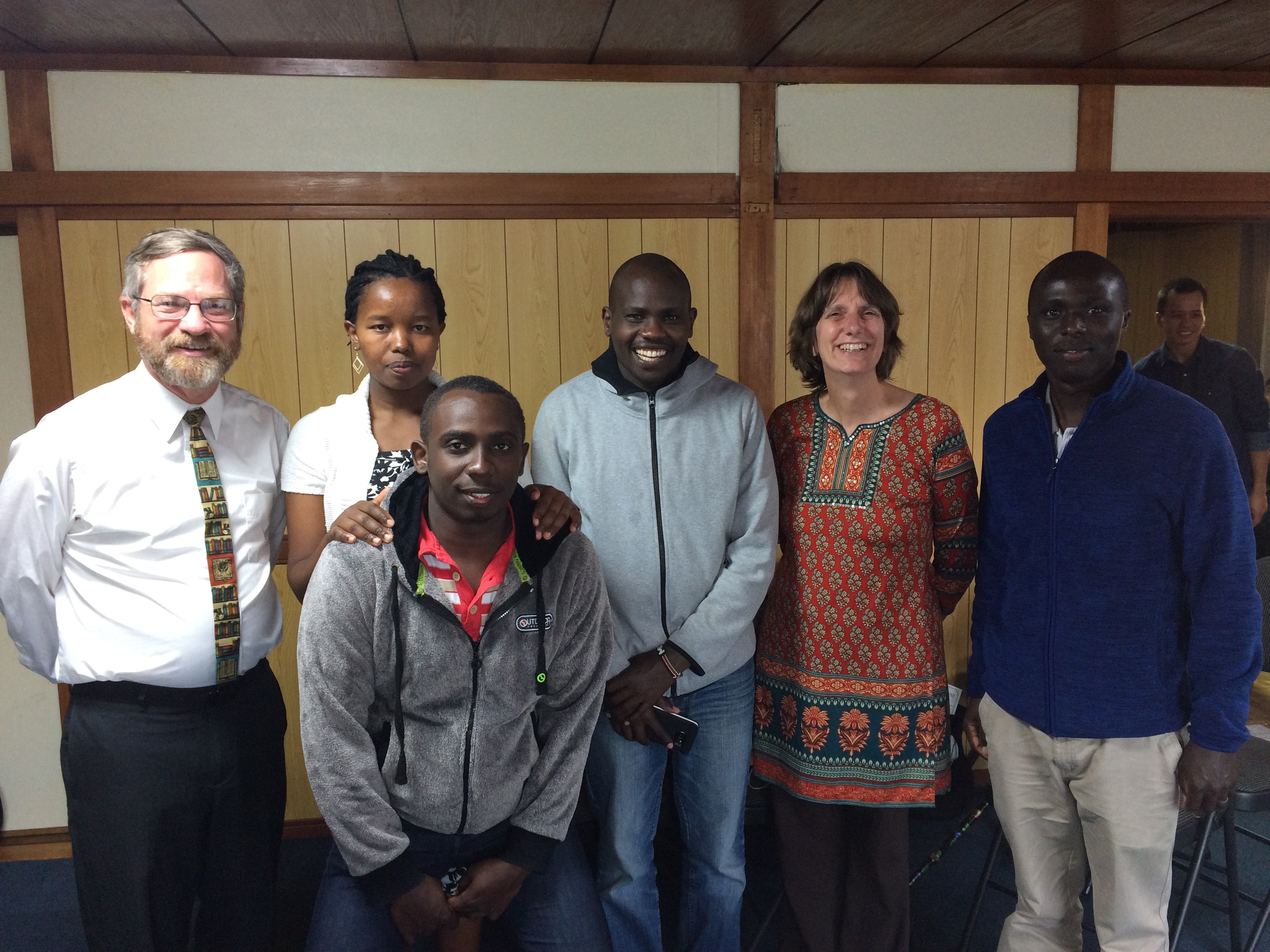
just like us
Acts 14:8-20 (JDV)
Acts 14:8 In Lystra a man was sitting who was without strength in his feet, had never walked, and had been lame from birth.
Acts 14:9 He listened as Paul spoke. After looking directly at him and seeing that he had faith to be rescued,
Acts 14:10 Paul said in a loud voice, “get up on your feet!” And he jumped up and began to walk around.
Acts 14:11 When the crowds saw what Paul had done, they lifted up their voice, saying in the Lycaonian language, “The gods have come down to us in human form!”
Acts 14:12 Barnabas they called Zeus, and Paul, Hermes, because he was the chief speaker.
Acts 14:13 The priest of Zeus, whose temple was just outside the town, brought bulls and wreaths to the gates because he intended, with the crowds, to offer sacrifice.
Acts 14:14 The missionaries Barnabas and Paul tore their robes when they heard this and rushed into the crowd, shouting:
Acts 14:15 “People! Why are you doing these things? We are people also, just like you, and we are proclaiming good news to you, that you turn from these worthless things to the living God, who made the sky, the land, the sea, and everything in them.
Acts 14:16 In past generations he allowed all the nations to go their own way,
Acts 14:17 although he did not leave himself without a witness, since he accomplished good by giving you rain from the sky and fruitful periods and filling you with food and your hearts with joy.”
Acts 14:18 In spite of the fact that they said these things, they barely stopped the crowds from sacrificing to them.
Acts 14:19 Some Jews came from Antioch and Iconium, and when they persuaded the crowds, they stoned Paul and dragged him out of the city, figuring he was dead.
Acts 14:20 After the disciples gathered around him, he got up and went into the town. The next day he left with Barnabas for Derbe.
just like us
The scene in Lystra captures the deep confusion that can arise when human categories collide with divine action. The people witnessed a genuine miracle—a man lame from birth suddenly standing upright at Paul’s command. In their worldview, such power could only come from the gods. Their instinct was to honor the miracle by honoring the miracle‑workers. Paul and Barnabas tore their garments not because the crowd was enthusiastic, but because the crowd was interpreting the miracle through the wrong lens. The power was real, but the source was not human. God had acted through ordinary servants, and the servants refused to accept glory that belonged to Him alone.
That moment of misguided worship was quickly overshadowed by a darker turn. Jewish opponents, who had already resisted the gospel in Antioch and Iconium, arrived in Lystra with a clear purpose. They had embraced a kind of anti‑mission, devoting themselves to uprooting the message wherever it took root. Their persistence reveals more than human stubbornness. They managed to persuade the same crowd that had been ready to offer sacrifices to now attempt murder. Such a dramatic reversal suggests that another spiritual force was at work. Whenever God moves to heal, restore, or give life, the enemy moves to distort, divide, and destroy. The book of Acts consistently shows this pattern: divine advance met by demonic resistance.
The contrast between these two powers becomes the heart of the story. Paul and Barnabas were only human, yet God’s power flowed through their obedience to bring life. Their opponents were only human as well, yet destructive spiritual influence flowed through their hostility to bring violence. Humanity is not neutral ground. People become conduits of the power they align themselves with. The miracle in Lystra and the mob in Lystra both reveal that unseen forces shape visible outcomes.
This truth presses a sober reality. Every person draws on a power beyond themselves. One power gives life, heals, restores, and reconciles. The other tears down, blinds, hardens, and destroys. The choice of mission determines the source of strength. The choice of allegiance determines the kind of fruit that follows.
Lord, give us the wisdom to choose the right mission, and tap into the right source of power to accomplish it.


