
when the fixture jumped
Acts 3:1-11 (JDV)
Acts 3:1 Now Peter and John were going up to the temple at the hour of prayer (the ninth).
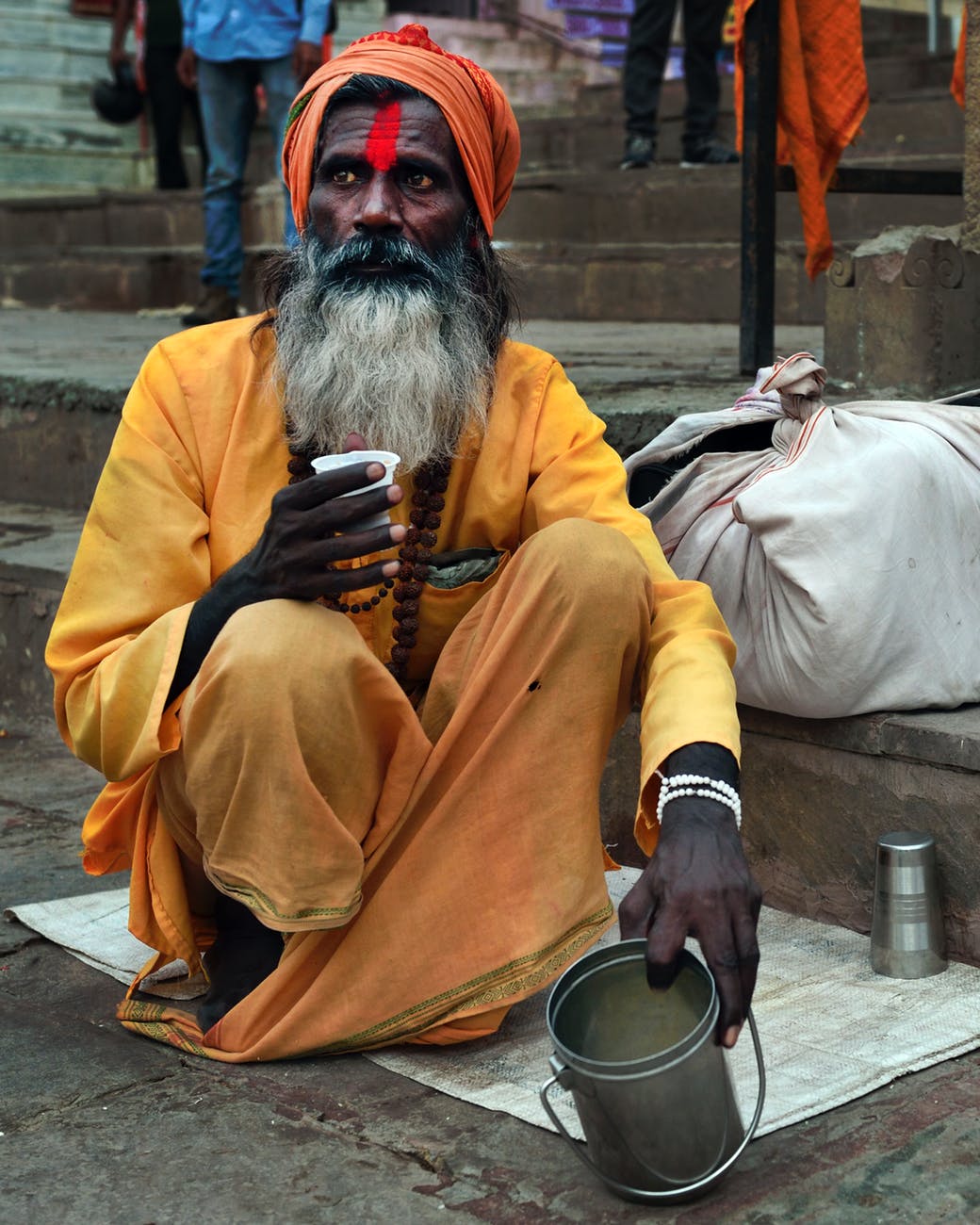
Acts 3:2 Some man – lame from the womb – was being carried there. He was placed each day at the temple gate called Beautiful, so that he could beg from those coming into the temple.
Acts 3:3 When he saw Peter and John about to enter the temple, he asked for charity.
Acts 3:4 Peter, along with John, looked straight at him and said, “Look at us.”
Acts 3:5 So he turned to them, expecting to get something from them.
Acts 3:6 But Peter said, “I don’t have silver or gold, but what I do have, I give you: In the name of Jesus Christ of Nazareth, get up and walk!”
Acts 3:7 Then, taking him by the right hand he raised him up, and at once his feet and ankles became strong.
Acts 3:8 So he jumped up and started to walk, and he entered the temple with them – walking, leaping, and praising God.
Acts 3:9 All the people saw him walking and praising God,
Acts 3:10 and they recognized that he was the one who used to sit and beg at the Beautiful Gate of the temple. So they were filled with awe and a condition of ecstasy at what had happened to him.
Acts 3:11 While he was holding on to Peter and John, all the people, utterly astonished, ran toward them in what is called Solomon’s Colonnade.
when the fixture jumped
The healing of the lame beggar in Acts 3 was a stunning moment, but Luke makes it clear that the miracle itself was not the destination. It was the doorway. The man who had sat for years at the Beautiful Gate suddenly stood, walked, leaped, and praised God. His transformation was so dramatic that the entire temple court was stirred. People who had passed him countless times could not ignore what had happened. The miracle created a holy disturbance, and that disturbance opened the way for the gospel to be proclaimed.
This pattern mirrors Pentecost. The tongues drew the crowd, but the sermon pierced the heart. In the same way, the healing drew the crowd, but Peter’s message revealed the meaning behind the healing. The miracle was never meant to be isolated inspiration. It was meant to be a sign pointing to Christ, a catalyst for repentance, and an invitation into the kingdom.
This perspective shapes how prayer is understood. There is every reason to pray for those who suffer under the weight of disease, injury, or any form of bondage. Such conditions limit freedom, diminish joy, and create deep emotional and physical burdens. Scripture consistently portrays God as compassionate toward the afflicted, and the church is right to intercede for healing. But the prayers cannot stop at the physical need alone. Healing is not an end in itself. It is a mercy that can open a heart to hear the gospel, a testimony that can draw attention to Christ, and a moment that can awaken spiritual hunger.
The early church understood this. Miracles were never treated as spectacles. They were signs—visible expressions of God’s power designed to lead people toward the deeper miracle of salvation. When the beggar was healed, the crowd gathered. When the crowd gathered, the gospel was preached. When the gospel was preached, lives were changed. The physical restoration became the doorway to spiritual restoration.
This remains a wise pattern for prayer today. Intercede boldly for those in bondage. Ask God to break chains, restore bodies, and bring freedom. But also ask that every act of mercy becomes a pathway to Christ, that every healing becomes a testimony, and that every answered prayer becomes an invitation to the gospel.
Lord, shape our prayers so that they lead people toward the good news of Christ, and use every act of mercy to open hearts to your saving grace.


