
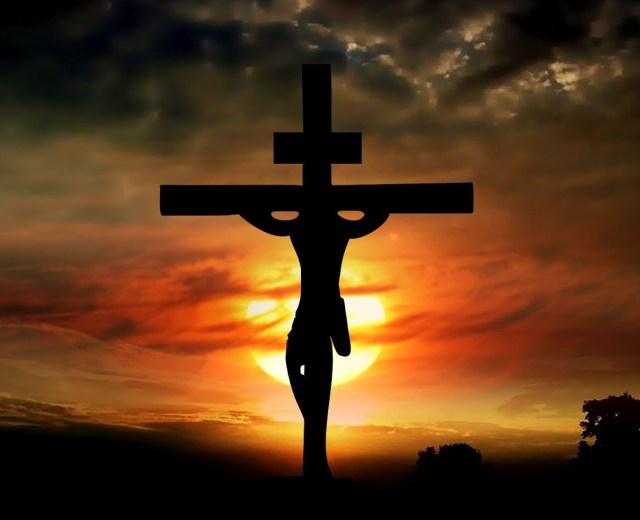
John 19:15-17
John 19:15 They shouted, “Take him away! Take him away! Crucify him!” Pilate said to them, “Should I crucify your king?” “We have no king if it isn’t Caesar!” the chief priests answered.
John 19:16 Then he handed him over to be crucified. Then they took Jesus away.
John 19:17 Carrying the cross by himself, he exited to what is called Place of the Skull, which in Aramaic is called Golgotha.
John 19:18 There they crucified him and two others with him, one on each side, with Jesus in the middle.
final act in the farce
The trials Jesus endured were not genuine attempts to seek truth or uphold justice. Each proceeding—whether before the Sanhedrin, Herod, or Pilate—was marked by predetermined conclusions, manipulated evidence, and motives rooted in fear, envy, and political convenience. What unfolded was not a judicial process but a staged performance, a sequence of decisions designed to produce a desired outcome. Justice was never the goal; the goal was removal. The King of glory was treated as a criminal, and the machinery of human authority was twisted to serve the darkness of human hearts.
When the final verdict was reached, Jesus was handed over to the very ones who had mocked, insulted, and brutalized Him. The farce reached its final act. Yet even in this moment of humiliation, the Gospel writers show a profound contrast between the weakness of human power and the strength of divine purpose. Jesus began the journey to Golgotha carrying the instrument of His own execution. The One through whom all things were made now bore the weight of a wooden cross, a symbol of shame and suffering.
What makes this moment staggering is not merely the injustice but the restraint. The One who carried the cross possessed the authority to bring judgment upon the city, the nation, and the world. A single word could have summoned legions of angels. A single breath could have undone His accusers. The power of heaven was His, yet He chose not to use it. His submission was not forced; it was deliberate. His suffering was not imposed; it was embraced.
The purpose behind His silence, His endurance, and His death was not defeat but redemption. He walked toward death because humanity had no other path to life. He accepted the cross because there was no other means to rescue those He loved. Every step toward Golgotha was taken with the names of the redeemed in His heart. The injustice He endured became the means by which justice would ultimately be satisfied. The cruelty He suffered became the channel through which mercy would flow.
Thank you, Lord, for sacrificial love that chose suffering over self‑preservation, obedience over power, and redemption over judgment.


