
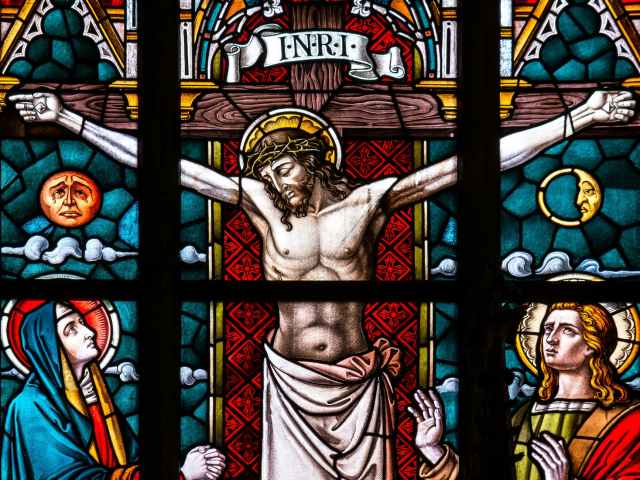
Photo by Pixabay on Pexels.com
John 19:6-9
John 19:6 When the chief priests and the temple officers saw him, they shouted, “Crucify! Crucify!” Pilate responded, “Take him and crucify him yourselves, since I find no grounds for charging him.”
John 19:7 “We have a law,” the Jews replied to him, “and according to that law he ought to die, because he made himself a Son of God.”
John 19:8 When Pilate heard this statement, he was more afraid than ever.
John 19:9 He went back into the headquarters and asked Jesus, “Where are you from?” But Jesus did not give him an answer.
where he is from
The psalmist’s declaration that the law of the Lord is perfect is not poetic exaggeration but a profound theological truth. God’s law reflects His character—holy, righteous, and good. Yet Scripture also shows that even something perfect can be twisted when it passes through the hands and hearts of sinful people. The problem never lies in the law itself; the problem lies in the motives of those who wield it. A good command can become a weapon when pride, fear, or self‑interest take control. A righteous standard can be used to condemn rather than to guide, to elevate oneself rather than to honor God.
This tragic dynamic appears with painful clarity in the story of Jesus’ trial. The very law that pointed toward God’s righteousness was used to justify the rejection of the One who fulfilled it perfectly. Jesus came not to abolish the law but to bring it to its intended completion—to embody its justice, mercy, and truth. Yet His own people used that same law as grounds for His execution. They believed they were defending God’s honor, when in reality they were resisting God’s Son.
Pilate, though a pagan governor, sensed the weight of the moment. He recognized that the charge against Jesus hinged on a single question: origin. If Jesus were merely a man, then claiming to be the Son of God would indeed be blasphemy. But if His origin was from above—if He truly came from heaven—then everything changed. The law would not condemn Him; the law would bow before Him. Pilate’s return to Jesus with the question “Where are You from?” reveals that the entire trial, the entire conflict, the entire destiny of humanity rests on that one issue. Settle the question of Jesus’ identity, and everything else falls into place.
The same remains true today. The heart of faith is not first about ethics, rituals, or religious performance. It is about recognizing who Jesus is. If He is from heaven, then His words carry divine authority, His cross carries saving power, and His resurrection carries eternal hope. If He is the Son of God, then trust is the only fitting response.
Lord, it is confessed with reverence and joy that Jesus came from heaven. Faith rests in Him as the true Son of God, and trust is placed in His name.
1Psalm 19:7.

 Devotions