
he avoided the temptation of power
Devotions from Jefferson Vann # 2403
John 6:10-15
Joh 6:10 Jesus said, “Make the men recline.” There was plenty of grass in that place; so they reclined. The men numbered about five thousand.
Joh 6:11 Then Jesus took the loaves, and after giving thanks he distributed them to those who were reclining– so also with the fish, as much as they wanted.
Joh 6:12 When they were full, he told his disciples, “Collect the leftovers so that nothing is wasted.”
Joh 6:13 So they collected them and filled twelve baskets with the pieces from the five barley loaves that were left over by those who had eaten.
Joh 6:14 When the people saw the sign he had done, they said, “This truly is the Prophet who is to come into the world.”
Joh 6:15 This is why, when Jesus realized that they were about to come and take him by force to make him king, he withdrew again to the mountain by himself.
he avoided the temptation of power
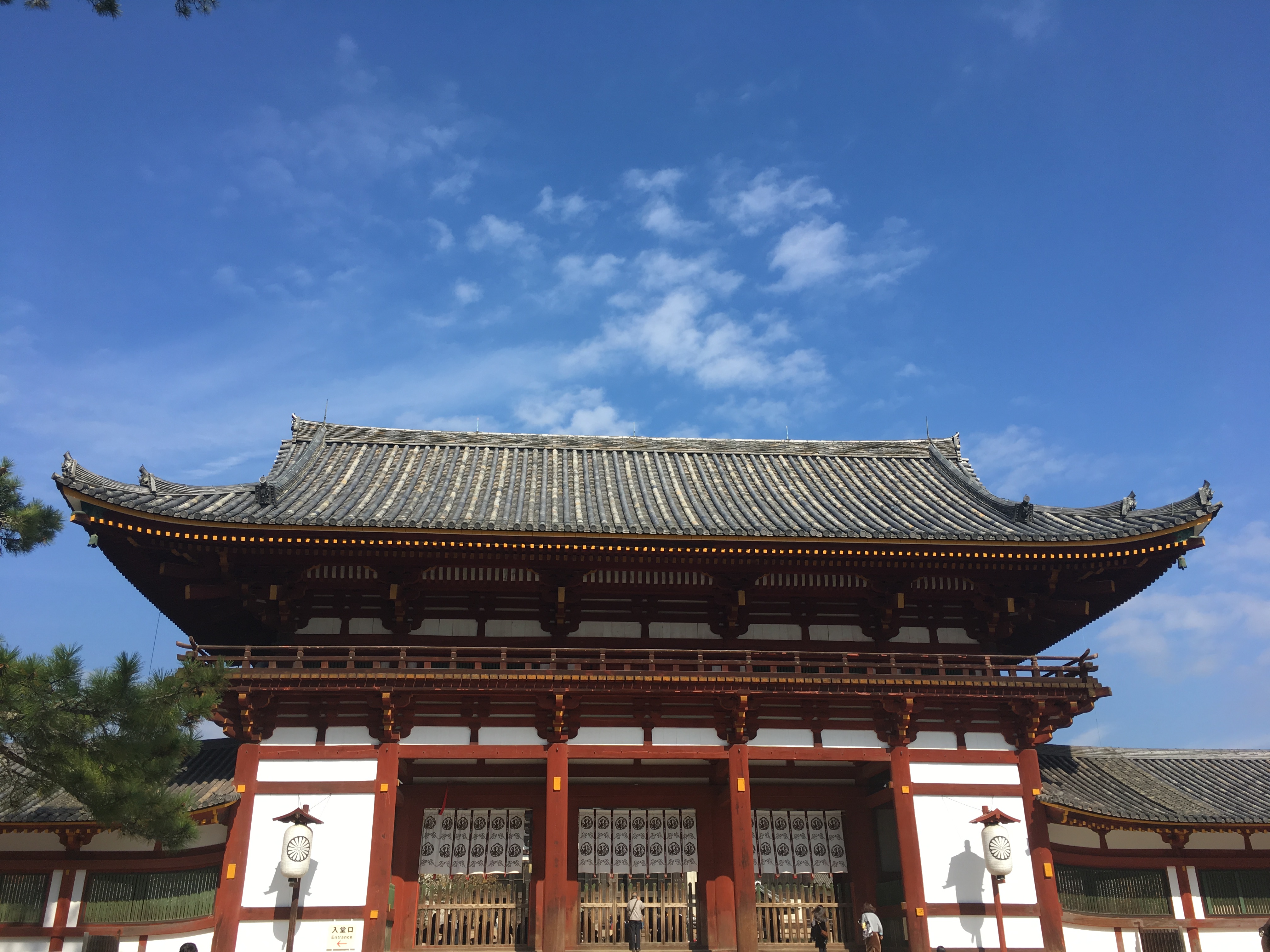
Some years ago, while visiting churches in Japan, I toured a historic castle and learned an intriguing detail about the ruler who built it. He had solidified his authority not through military displays or harsh decrees, but through a ceremonial tea ritual. By hosting this ritual for his underlings, he presented himself as benevolent, generous, and capable of providing for those under his rule. The ceremony was symbolic, yet powerful. It shaped how people saw him: a leader who could be trusted because he supplied what they needed.
That memory comes to mind when reading John’s account of the feeding of the five thousand. The crowd that followed Jesus up the mountain had just witnessed a miracle of provision unlike anything they had ever seen. Bread and fish multiplied in His hands until thousands were fed. It is no surprise that the men who experienced that first wave of the miracle immediately wanted to make Him their king. In their minds, anyone who could provide food so effortlessly must surely be able to deal with the Roman oppression that weighed on their nation. A provider of bread could become a provider of political freedom. Their logic was understandable, but their vision was too small.
Jesus, however, withdrew to the solitude of the mountain. He refused the crown they tried to force upon Him. His mission was not to overthrow Rome or to establish a political kingdom. He had not come to free Israel from Caesar but to free humanity from sin. To accomplish that mission, He had to avoid the temptation of power. The path to redemption required sacrifice, not political triumph. The crowd wanted a king who would conquer their enemies; Jesus came as a Savior who would conquer death by laying down His life.
The contrast is striking. The crowd saw a miracle and wanted to elevate Him. Jesus saw the cross and chose to descend into suffering. The crowd wanted a ruler who would use power for their benefit. Jesus chose to surrender power for their salvation. His refusal to seize earthly authority was not weakness; it was the strength of love. He would not be diverted from the mission that would redeem them—and us.
Thank you, Jesus, for turning away from power and choosing the path of sacrifice for our redemption.


