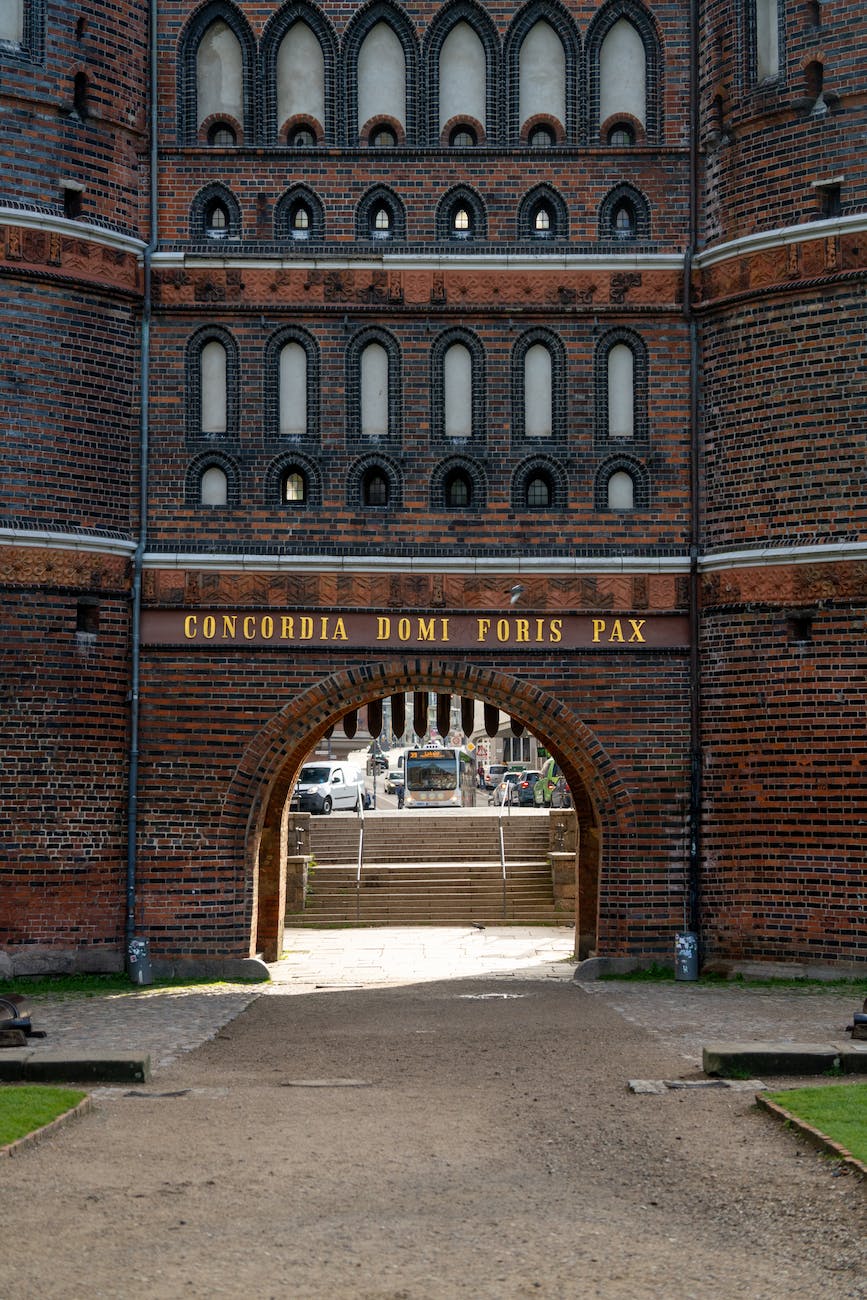
great people who lead our leaders

20250203

Photo by Luis Quintero on Pexels.com

great people who lead our leaders

2 Chronicles 24:1-27

2 Chronicles 24:1 Joash was seven years old when he became king, and he reigned forty years in Jerusalem. His mother’s name was Zibiah; she was from Beer-sheba.
2 Chronicles 24:2 Throughout the time of the priest Jehoiada, Joash did what was right in Yahveh’s sight.
2 Chronicles 24:3 Jehoiada acquired two wives for him, and he was the father of sons and daughters.
2 Chronicles 24:4 Afterward, Joash took it to heart to renovate Yahveh’s temple.
2 Chronicles 24:5 So he gathered the priests and Levites and said, “Go out to the cities of Judah and collect silver from all Israel to repair the temple of your God as needed year by year and do it quickly.” However, the Levites did not hurry.
2 Chronicles 24:6 So the king called Jehoiada the high priest and said, “Why haven’t you required the Levites to bring from Judah and Jerusalem the tax imposed by Yahveh’s servant Moses and the assembly of Israel for the tent of the testimony?
2 Chronicles 24:7 For the sons of that wicked Athaliah broke into Yahveh’s temple and even used the sacred things of Yahveh’s temple for the Baals.”
2 Chronicles 24:8 At the king’s command a chest was made and placed outside the gate of Yahveh’s temple.
2 Chronicles 24:9 Then a proclamation was issued in Judah and Jerusalem that the tax God’s servant Moses imposed on Israel in the wilderness be brought to Yahveh.
2 Chronicles 24:10 All the leaders and all the people rejoiced, brought the tax, and put it in the chest until it was full.
2 Chronicles 24:11 Whenever the chest was brought by the Levites to the king’s overseers, and when they saw that there was a large amount of silver, the king’s secretary and the high priest’s deputy came and emptied the chest, picked it up, and returned it to its place. They did this daily and gathered the silver in abundance.
2 Chronicles 24:12 Then the king and Jehoiada gave it to those in charge of the labor on Yahveh’s temple, who were hiring stonecutters and carpenters to renovate Yahveh’s temple, also blacksmiths and coppersmiths to repair Yahveh’s temple.
2 Chronicles 24:13 The workmen did their work, and through them the repairs progressed. They restored God’s temple to its specifications and reinforced it.
2 Chronicles 24:14 When they finished, they presented the rest of the silver to the king and Jehoiada, who made articles for Yahveh’s temple with it– articles for ministry and for making burnt offerings, and ladles and articles of gold and silver. They regularly offered burnt offerings in Yahveh’s temple throughout Jehoiada’s life.
2 Chronicles 24:15 Jehoiada died when he was old and full of days; he was 130 years old at his death.
2 Chronicles 24:16 He was buried in the city of David with the kings because he had done what was good in Israel with respect to God and his temple.
2 Chronicles 24:17 However, after Jehoiada died, the rulers of Judah came and paid homage to the king. Then the king listened to them,
2 Chronicles 24:18 and they abandoned the temple of Yahveh, the God of their ancestors, and served the Asherah poles and the idols. So, there was wrath against Judah and Jerusalem for this guilt of theirs.
2 Chronicles 24:19 Nevertheless, he sent them prophets to bring them back to Yahveh; they admonished them, but the people would not listen.
2 Chronicles 24:20 The Breath of God enveloped Zechariah son of Jehoiada the priest. He stood above the people and said to them, “This is what God says, ‘Why are you transgressing Yahveh’s commands so that you do not prosper? Because you have abandoned Yahveh, he has abandoned you.'”
2 Chronicles 24:21 But they conspired against him and stoned him at the king’s command in the courtyard of Yahveh’s temple.
2 Chronicles 24:22 King Joash didn’t remember the kindness that Zechariah’s father Jehoiada had extended to him but killed his son. While he was dying, he said, “May Yahveh see and demand an account.”
2 Chronicles 24:23 At the turn of the year, an Aramean army attacked Joash. They entered Judah and Jerusalem and destroyed all the leaders of the people among them and sent all the plunder to the king of Damascus.
2 Chronicles 24:24 Although the Aramean army came with only a few men, Yahveh handed over a vast army to them because the people of Judah had abandoned Yahveh, the God of their ancestors. So, they executed judgment on Joash.
2 Chronicles 24:25 When the Arameans saw that Joash had many wounds, they left him. His servants conspired against him, and killed him on his bed, because he had shed the blood of the sons of the priest Jehoiada. So he died, and they buried him in the city of David, but they did not bury him in the tombs of the kings.
2 Chronicles 24:26 Those who conspired against him were Zabad, son of the Ammonite woman Shimeath, and Jehozabad, son of the Moabite woman Shimrith.
2 Chronicles 24:27 The accounts concerning his sons, the many divine pronouncements about him, and the restoration of God’s temple are recorded in the Writing of the Book of the Kings. His son Amaziah became king in his place.

great people who lead our leaders

Joash appeared to be a great and faithful ruler, but once Jehoiada the priest dies, his true character is revealed, and his fate with it. While Jehoiada was alive, Joash concentrated on preserving and repairing God’s house, the temple, in Jerusalem. Afterward, he took his counsel from the princes, promoted idolatry, and killed the LORD’s prophets – including Zechariah – Jehoiada’s son. We think a person is great because he does great things. But sometimes, a person does great things only because he is being led behind the scenes by great people.

Thank you, LORD, for the Jehoiadas among us –great people who lead our leaders. May they be many.


Posted in leadership | Tagged | Leave a comment

peace and joy

20250202

Photo by TIffany Pepe on Pexels.com

peace and joy

2 Chronicles 23:1-21

2 Chronicles 23:1 Then, in the seventh year, Jehoiada summoned his courage and took the commanders of hundreds into a covenant with him: Azariah son of Jeroham, Ishmael son of Jehohanan, Azariah son of Obed, Maaseiah son of Adaiah, and Elishaphat son of Zichri.
2 Chronicles 23:2 They made a circuit throughout Judah. They gathered the Levites from all the cities of Judah and the family heads of Israel, and they came to Jerusalem.
2 Chronicles 23:3 Then the whole assembly made a covenant with the king in God’s temple. Jehoiada said to them, “Here is the king’s son! He will reign, just as Yahveh promised concerning David’s sons.
2 Chronicles 23:4 This is what you are to do: a third of you, priests and Levites who are coming on duty on the Sabbath, are to be gatekeepers.
2 Chronicles 23:5 A third are to be at the king’s palace, and a third are to be at the Foundation Gate, and all the troops will be in the courtyards of Yahveh’s temple.
2 Chronicles 23:6 No one is to enter Yahveh’s temple but the priests and those Levites who serve; they may enter because they are holy, but all the people are to obey the requirement of Yahveh.
2 Chronicles 23:7 Completely surround the king with weapons in hand. Anyone who enters the temple is to be put to death. Be with the king in all his daily tasks.”
2 Chronicles 23:8 So the commanders of hundreds did everything the priest Jehoiada commanded. They each brought their men– those coming on duty on the Sabbath and those going off duty on the Sabbath– for the priest Jehoiada did not release the divisions.
2 Chronicles 23:9 The priest Jehoiada gave to the commanders of hundreds King David’s spears, shields, and quivers that were in God’s temple.
2 Chronicles 23:10 Then he stationed all the troops with their weapons in hand surrounding the king– from the right side of the temple to the left side, by the altar and by the temple.
2 Chronicles 23:11 They brought out the king’s son, put the crown on him, gave him the testimony, and made him king. Jehoiada and his sons anointed him and cried, “Long live the king!”
2 Chronicles 23:12 When Athaliah heard the noise from the troops, the guards, and those praising the king, she went to the troops in Yahveh’s temple.
2 Chronicles 23:13 As she looked, there was the king standing by his pillar at the entrance. The commanders and the trumpeters were by the king, and all the people of the land were rejoicing and blowing trumpets while the singers with musical instruments were leading the praise. Athaliah tore her clothes and screamed, “Treason! Treason!”
2 Chronicles 23:14 Then the priest Jehoiada sent out the commanders of hundreds, those in charge of the army, saying, “Take her out between the ranks, and put anyone who follows her to death by the sword,” for the priest had said, “Don’t put her to death in Yahveh’s temple.”
2 Chronicles 23:15 So they arrested her, and she went by the entrance of the Horse Gate to the king’s palace, where they put her to death.
2 Chronicles 23:16 Then Jehoiada made a covenant between himself, the king, and the people that they would be Yahveh’s people.
2 Chronicles 23:17 So all the people went to the temple of Baal and tore it down. They smashed its altars and images and killed Mattan, the priest of Baal, at the altars.
2 Chronicles 23:18 Then Jehoiada put the oversight of Yahveh’s temple into the hands of the Levitical priests, whom David had appointed over Yahveh’s temple, to offer burnt offerings to Yahve has it is written in the law of Moses, with rejoicing and song ordained by David.
2 Chronicles 23:19 He stationed gatekeepers at the gates of Yahveh’s temple so that nothing unclean could enter for any reason.
2 Chronicles 23:20 Then he took with him the commanders of hundreds, the nobles, the governors of the people, and all the people of the land and brought the king down from Yahveh’s temple. They entered the king’s palace through the Upper Gate and seated the king on the throne of the kingdom.
2 Chronicles 23:21 All the people of the land rejoiced, and the city was quiet, for they had put Athaliah to death by the sword.

peace and joy

Athalia is executed by the people, and Joash is made king. The temple of Baal is destroyed, and the people once again devote themselves to the LORD alone. The chronicler records two results to this turn of events. The people of the land rejoiced, and the city was quiet. The political and religious turmoil had ceased, and people could once again think about their God, and relish in his peace.

LORD, restore our unity in you. Rid us of our conflicting loyalties, and selfish distractions.

Posted in commitment, joy, peace | Tagged | Leave a comment

choices that destroy

20250201

Photo by Pixabay on Pexels.com

choices that destroy

2 Chronicles 22:1-12

2 Chronicles 22:1 Then the inhabitants of Jerusalem made Ahaziah, his youngest son, king in his place, because the troops that had come with the Arabs to the camp had killed all the older sons. So Ahaziah son of Jehoram became king of Judah.
2 Chronicles 22:2 Ahaziah was twenty-two years old when he became king, and he reigned one year in Jerusalem. His mother’s name was Athaliah, granddaughter of Omri.
2 Chronicles 22:3 He walked in the ways of the house of Ahab, for his mother gave him evil advice.
2 Chronicles 22:4 So he did what was evil in Yahveh’s sight like the house of Ahab, for they were his advisers after the death of his father, to his destruction.
2 Chronicles 22:5 He also followed their advice and went with Joram son of Israel’s King Ahab to fight against King Hazael of Aram, in Ramoth-gilead. The Arameans wounded Joram,
2 Chronicles 22:6 so he returned to Jezreel to recover from the wounds they inflicted on him in Ramoth-gilead when he fought against King Hazael of Aram. Then Judah’s King Ahaziah son of Jehoram went down to Jezreel to visit Joram son of Ahab since Joram was ill.
2 Chronicles 22:7 Ahaziah’s downfall came from God when he went to Joram. When Ahaziah arrived, he went out with Joram to meet Jehu son of Nimshi, whom Yahveh had anointed to destroy the house of Ahab.
2 Chronicles 22:8 So when Jehu executed judgment on the house of Ahab, he found the rulers of Judah and the sons of Ahaziah’s brothers who were serving Ahaziah, and he killed them.
2 Chronicles 22:9 Then Jehu looked for Ahaziah, and Jehu’s soldiers captured him (he was hiding in Samaria). So, they brought Ahaziah to Jehu, and they killed him. The soldiers buried him, for they said, “He is the grandson of Jehoshaphat who sought Yahveh with all his heart.” So, no one from the house of Ahaziah had the strength to rule the kingdom.
2 Chronicles 22:10 When Athaliah, Ahaziah’s mother, saw that her son was dead, she proceeded to annihilate all the royal heirs of the house of Judah.
2 Chronicles 22:11 Jehoshabeath, the king’s daughter, rescued Joash son of Ahaziah from the king’s sons who were being killed and put him and the one who nursed him in a bedroom. Now Jehoshabeath was the daughter of King Jehoram and the wife of the priest Jehoiada. Since she was Ahaziah’s sister, she hid Joash from Athaliah so that she did not kill him.
2 Chronicles 22:12 While Athaliah reigned over the land, he was hiding with them in God’s temple six years.

choices that destroy

The bad choice to collaborate with the house of Ahab continues to bring destruction upon Judah, long after that choice was made. Counselors from that family lead Ahaziah to commit the same kinds of sin. After he dies at the hands of Jehu, his mother executes all the others in the royal family in order to keep power for herself. But Joash is preserved by his courageous sister, Jehoshabeath. She conceals him in the temple buildings, preserving the family line from which the future Messiah would come.

LORD, give us wisdom to keep from making choices that might lead to bad consequences generations afterward.

Posted in responsibility, self-control | Tagged | Leave a comment

to no one’s regret

20250131

Photo by Brett Sayles on Pexels.com

to no one’s regret

2 Chronicles 21:1-20

2 Chronicles 21:1 Jehoshaphat rested with his fathers and was buried with his fathers in the city of David. His son Jehoram became king in his place.
2 Chronicles 21:2 He had brothers, sons of Jehoshaphat: Azariah, Jehiel, Zechariah, Azariah, Michael, and Shephatiah; all these were the sons of King Jehoshaphat of Judah.
2 Chronicles 21:3 Their father had given them many gifts of silver, gold, and valuable things, along with fortified cities in Judah, but he gave the kingdom to Jehoram because he was the firstborn.
2 Chronicles 21:4 When Jehoram had established himself over his father’s kingdom, he strengthened his position by killing with the sword all his brothers as well as some of the princes of Israel.
2 Chronicles 21:5 Jehoram was thirty-two years old when he became king, and he reigned eight years in Jerusalem.
2 Chronicles 21:6 He walked in the ways of the kings of Israel, as the house of Ahab had done, for Ahab’s daughter was his wife. He did what was evil in Yahveh’s sight,
2 Chronicles 21:7 but for the sake of the covenant Yahveh had made with David, he was unwilling to destroy the house of David since Yahveh had promised to give a lamp to David and to his sons forever.
2 Chronicles 21:8 During Jehoram’s reign, Edom rebelled against Judah’s control and appointed their own king.
2 Chronicles 21:9 So Jehoram crossed into Edom with his commanders and all his chariots. Then at night he set out to attack the Edomites who had surrounded him and the chariot commanders.
2 Chronicles 21:10 And now Edom is still in rebellion against Judah’s control today. Libnah also rebelled at that time against his control because he had abandoned Yahveh, the God of his ancestors.
2 Chronicles 21:11 Jehoram also built high places in the hills of Judah, and he caused the inhabitants of Jerusalem to prostitute themselves, and he led Judah astray.
2 Chronicles 21:12 Then a letter came to Jehoram from the prophet Elijah, saying: This is what Yahveh, the God of your ancestor David says: “Because you have not walked in the ways of your father Jehoshaphat or in the ways of King Asa of Judah
2 Chronicles 21:13 but have walked in the ways of the kings of Israel, have caused Judah and the inhabitants of Jerusalem to prostitute themselves like the house of Ahab prostituted itself, and also have killed your brothers, your father’s family, who were better than you,
2 Chronicles 21:14 Yahveh is now about to strike your people, your sons, your wives, and all your possessions with a horrible affliction.
2 Chronicles 21:15 You yourself will be struck with many illnesses, including a disease of the intestines, until your intestines come out day after day because of the disease.”
2 Chronicles 21:16 Yahveh roused the breath of the Philistines and the Arabs who lived near the Cushites to attack Jehoram.
2 Chronicles 21:17 So they went to war against Judah and invaded it. They carried off all the possessions found in the king’s palace and his sons and wives; not a son was left to him except Jehoahaz, his youngest son.
2 Chronicles 21:18 After all these things, Yahveh afflicted him in his intestines with an incurable disease.
2 Chronicles 21:19 This continued day after day until two full years passed. Then his intestines came out because of his disease, and he died from severe illnesses. But his people did not hold a fire in his honor like the fire in honor of his fathers.
2 Chronicles 21:20 Jehoram was thirty-two years old when he became king; he reigned eight years in Jerusalem. He died to no one’s regret and was buried in the city of David but not in the tombs of the kings.

to no one’s regret

One of the saddest statements about anyone found in the scriptures is the epitaph for Jehoram. His short reign in Jerusalem resulted in the Lord judging him by inciting rebellion among his subjects, war with his enemies, a horrible illness in his bowels, and an agonizing death. When he died, his people decided not to bury him in the tombs of the kings, and not to honor him with a bonfire as they had done his predecessors. The writer of the Chronicles simply says that “he departed with no one’s regret” (20).

LORD, help us to live lives of significance that make a difference. May we serve you and others in such a way that others will regret it when we die.

Posted in compassion | Tagged | Leave a comment

divine intervention

20250130

Photo by Ray Bilcliff on Pexels.com

divine intervention

2 Chronicles 20:1-37

2 Chronicles 20:1 After this, the Moabites, and Ammonites, together with some of the Meunites, came to fight against Jehoshaphat.
2 Chronicles 20:2 People came and told Jehoshaphat, “A vast number from beyond the Dead Sea and from Edom has come to fight against you; they are already in Hazazon-tamar” (that is, En-gedi).
2 Chronicles 20:3 Jehoshaphat was afraid, and he resolved to seek Yahveh. Then he proclaimed a fast for all Judah,
2 Chronicles 20:4 who gathered to seek Yahveh. They even came from all the cities of Judah to seek him.
2 Chronicles 20:5 Then Jehoshaphat stood in the assembly of Judah and Jerusalem in Yahveh’s temple before the new courtyard.
2 Chronicles 20:6 He said: Lord, God of our ancestors, are you not the God who is in heaven, and do you not rule over all the kingdoms of the nations? Power and might are in your hand, and no one can stand against you.
2 Chronicles 20:7 Are you not our God who drove out the inhabitants of this land before your people Israel and who gave it forever to the descendants of Abraham your friend?
2 Chronicles 20:8 They have lived in the land and have built you a sanctuary in it for your name and have said,
2 Chronicles 20:9 “If disaster comes on us– sword or judgment, pestilence or famine– we will stand before this temple and before you, for your name is in this temple. We will cry out to you because of our distress, and you will hear and deliver.”
2 Chronicles 20:10 Now here are the Ammonites, Moabites, and the inhabitants of Mount Seir. You did not let Israel invade them when Israel came out of the land of Egypt, but Israel turned away from them and did not destroy them.
2 Chronicles 20:11 Look how they repay us by coming to drive us out of your possession that you gave us as an inheritance.
2 Chronicles 20:12 Our God, will you not judge them? For we are powerless before this vast number that comes to fight against us. We do not know what to do, but we look to you.
2 Chronicles 20:13 All Judah was standing before Yahveh with their dependents, their wives, and their children.
2 Chronicles 20:14 In the middle of the congregation, the Breath of Yahveh came on Jahaziel (son of Zechariah, son of Benaiah, son of Jeiel, son of Mattaniah, a Levite from Asaph’s descendants),
2 Chronicles 20:15 and he said, “Listen carefully, all Judah and you inhabitants of Jerusalem, and King Jehoshaphat. This is what Yahveh says: ‘Do not be afraid or discouraged because of this vast number, for the battle is not yours, but God’s.
2 Chronicles 20:16 Tomorrow, go down against them. You will see them coming up the Ascent of Ziz, and you will find them at the end of the valley facing the Wilderness of Jeruel.
2 Chronicles 20:17 You do not have to fight this battle. Position yourselves, stand still, and see the salvation of Yahveh. He is with you, Judah, and Jerusalem. Do not be afraid or discouraged. Tomorrow, go out to face them, for Yahveh is with you.'”
2 Chronicles 20:18 Then Jehoshaphat knelt low with his face to the ground, and all Judah and the inhabitants of Jerusalem fell down before Yahveh to worship him.
2 Chronicles 20:19 Then the Levites from the sons of the Kohathites and the Korahites stood up to praise Yahveh God of Israel shouting loudly.
2 Chronicles 20:20 In the morning they got up early and went out to the wilderness of Tekoa. As they were about to go out, Jehoshaphat stood and said, “Hear me, Judah and you inhabitants of Jerusalem. Believe in Yahveh your God, and you will be established; believe in his prophets, and you will succeed.”
2 Chronicles 20:21 Then he consulted with the people and appointed some to sing for Yahveh and some to praise the splendor of his holiness. When they went out in front of the armed forces, they kept singing: Give thanks to Yahveh, for his faithful love endures forever.
2 Chronicles 20:22 The moment they began their shouts and praises, Yahveh set an ambush against the Ammonites, Moabites, and the inhabitants of Mount Seir who came to fight against Judah, and they were defeated.
2 Chronicles 20:23 The Ammonites and Moabites turned against the inhabitants of Mount Seir and completely annihilated them. When they had finished with the inhabitants of Seir, they helped destroy each other.
2 Chronicles 20:24 When Judah came to a place overlooking the wilderness, they looked for the large army, but there were only corpses lying on the ground; nobody had escaped.
2 Chronicles 20:25 Then Jehoshaphat and his people went to gather the plunder. They found among them an abundance of goods on the bodies and valuable items. So they stripped them until nobody could carry any more. They were gathering the plunder for three days because there was so much.
2 Chronicles 20:26 They assembled in the Valley of Beracah on the fourth day, for there they blessed Yahveh. Therefore, that place is still called the Valley of Beracah today.
2 Chronicles 20:27 Then all the men of Judah and Jerusalem turned back with Jehoshaphat their leader, returning joyfully to Jerusalem, for Yahveh enabled them to rejoice over their enemies.
2 Chronicles 20:28 So they came into Jerusalem to Yahveh’s temple with harps, lyres, and trumpets.
2 Chronicles 20:29 The terror of God was on all the kingdoms of the lands when they heard that Yahveh had fought against the enemies of Israel.
2 Chronicles 20:30 Then Jehoshaphat’s kingdom was quiet, for his God gave him rest on every side.
2 Chronicles 20:31 Jehoshaphat became king over Judah. He was thirty-five years old when he became king, and he reigned twenty-five years in Jerusalem. His mother’s name was Azubah daughter of Shilhi.
2 Chronicles 20:32 He walked in the ways of Asa his father; he did not turn away from it but did what was right in Yahveh’s sight.
2 Chronicles 20:33 However, the high places were not taken away; the people had not yet set their hearts on the God of their ancestors.
2 Chronicles 20:34 The rest of the events of Jehoshaphat’s reign from beginning to end are written in the Events of Jehu son of Hanani, which is recorded in the Book of Israel’s Kings.
2 Chronicles 20:35 After this, Judah’s King Jehoshaphat made an alliance with Israel’s King Ahaziah, who was guilty of wrongdoing.
2 Chronicles 20:36 Jehoshaphat formed an alliance with him to make ships to go to Tarshish, and they made the ships in Ezion-geber.
2 Chronicles 20:37 Then Eliezer son of Dodavahu of Mareshah prophesied against Jehoshaphat, saying, “Because you formed an alliance with Ahaziah, Yahveh has broken up what you have made.” So, the ships were wrecked and were not able to go to Tarshish.

divine intervention

Judah is once again being threatened, and this time Jehoshaphat calls on the nation to fast and he leads them in prayer to Yahveh. The odds are so much against them that their only hope is divine intervention. God does intervene, and he calls on the armies of Judah to go and see the outcome. The enemy armies which had come to drive them out of the land turned against each other, and annihilated themselves. It took days for the armies of Judah to carry out the spoil from a battle they did not fight.

God, when things are hopeless for us, remind us to seek your divine intervention.

Posted in prayer | Leave a comment

bringing people back

20250129

Photo by Paweu0142 L. on Pexels.com

bringing people back

2 Chronicles 19:4-11

2 Chronicles 19:4 Jehoshaphat lived in Jerusalem, and once again he went out among the people from Beer-sheba to the hill country of Ephraim and brought them back to Yahveh, the God of their ancestors.
2 Chronicles 19:5 He appointed judges in all the fortified cities of the land of Judah, city by city.
2 Chronicles 19:6 Then he said to the judges, “Consider what you are doing, for you do not judge for a mere mortal, but for Yahveh, who is with you in the matter of judgment.
2 Chronicles 19:7 And now, may the terror of Yahveh be on you. Watch what you do, for there is no injustice or partiality or taking bribes with Yahveh our God.”
2 Chronicles 19:8 Jehoshaphat also appointed in Jerusalem some of the Levites and priests and some of the Israelite family heads for deciding Yahveh’s will and for settling disputes of the residents of Jerusalem.
2 Chronicles 19:9 He commanded them, saying, “In the fear of Yahveh, with integrity, and wholeheartedly, you are to do the following:
2 Chronicles 19:10 For every dispute that comes to you from your brothers who dwell in their cities– whether it regards differences of bloodguilt, law, commandment, statutes, or judgments– you are to warn them, so they will not incur guilt before Yahveh and wrath will not come on you and your brothers. Do this, and you will not incur guilt.
2 Chronicles 19:11 “Note that Amariah, the chief priest, is over you in all matters related to Yahveh, and Zebadiah son of Ishmael, the ruler of the house of Judah, in all matters related to the king, and the Levites are officers in your presence. Be strong; may Yahveh be with those who do what is good.”

bringing people back

Having been warned not to seek reunification with Israel, Jehoshaphat sets his sights on strengthening the ties of Judah with their God. He appoints judges, but these judges were not autonomous rescuers as in the book of Judges. They were appointed representatives of the king, to settle issues of bloodshed, law, and commandment, statutes or rules (10). They also had the backing of the priests and Levites. The purpose of the whole project was to bring Judah back to the LORD (4). How did Jehoshaphat know that this was needed? He might have taken his own name as a hint. Jehoshaphat means “the LORD is Judge”.

LORD, help us to focus our attention on bringing people back to you.

Posted in revival | Leave a comment

assisting evil

20250128

Photo by Nico Becker on Pexels.com

assisting evil

2 Chronicles 18:1-19:3

2 Chronicles 18:1 Jehoshaphat had riches and honor in abundance, and he made an alliance with Ahab through marriage.
2 Chronicles 18:2 Then after some years, he went down to visit Ahab in Samaria. Ahab sacrificed many sheep, goats, and cattle for him and for the people who were with him. Then he persuaded him to attack Ramoth-gilead,
2 Chronicles 18:3 for Israel’s King Ahab asked Judah’s King Jehoshaphat, “Will you go with me to Ramoth-gilead?” He replied to him, “I am as you are, my people as your people; we will be with you in the battle.”
2 Chronicles 18:4 But Jehoshaphat said to the king of Israel, “First, please ask what Yahveh’s will is.”
2 Chronicles 18:5 So the king of Israel gathered the prophets, four hundred men, and asked them, “Should we go to Ramoth-gilead for war or should I refrain?” They replied, “March up, and God will hand it over to the king.”
2 Chronicles 18:6 But Jehoshaphat asked, “Isn’t there a prophet of Yahveh here anymore? Let’s ask him.”
2 Chronicles 18:7 The king of Israel said to Jehoshaphat, “There is still one man who can inquire of Yahveh, but I hate him because he never prophesies good about me, but only disaster. He is Micaiah son of Imlah.” “The king shouldn’t say that” Jehoshaphat replied.
2 Chronicles 18:8 So the king of Israel called an officer and said, “Hurry and get Micaiah son of Imlah!”
2 Chronicles 18:9 Now the king of Israel and King Jehoshaphat of Judah, clothed in royal attire, were each sitting on his own throne. They were sitting on the threshing floor at the entrance to Samaria’s gate, and all the prophets were prophesying in front of them.
2 Chronicles 18:10 Then Zedekiah son of Chenaanah made iron horns and said, “This is what Yahveh says: ‘You will gore the Arameans with these until they are finished off.'”
2 Chronicles 18:11 And all the prophets were prophesying the same, saying, “March up to Ramoth-gilead and succeed, for Yahveh will hand it over to the king.”
2 Chronicles 18:12 The messenger who went to call Micaiah instructed him, “Look, the words of the prophets are unanimously favorable for the king. So let your words be like theirs and speak favorably.”
2 Chronicles 18:13 But Micaiah said, “As Yahveh lives, I will say whatever my God says.”
2 Chronicles 18:14 So he went to the king, and the king asked him, “Micaiah, should we go to Ramoth-gilead for war, or should I refrain?” Micaiah said, “March up and succeed, for they will be handed over to you.”
2 Chronicles 18:15 But the king said to him, “How many times must I make you swear not to tell me anything but the truth in the name of Yahveh?”
2 Chronicles 18:16 So Micaiah said: I saw all Israel scattered on the hills like sheep without a shepherd. And Yahveh said, “They have no master; let each return home in peace.”
2 Chronicles 18:17 So the king of Israel said to Jehoshaphat, “Didn’t I tell you he never prophesies good about me, but only disaster?”
2 Chronicles 18:18 Then Micaiah said, “Therefore, hear the word of Yahveh. I saw Yahveh sitting on his throne, and the whole heavenly army was standing at his right hand and at his left hand.
2 Chronicles 18:19 And Yahveh said, ‘Who will entice King Ahab of Israel to march up and fall at Ramoth-gilead? ‘ So one was saying this and another was saying that.
2 Chronicles 18:20 “Then a breath came forward, stood before Yahveh, and said, ‘I will entice him.’ “Yahveh asked him, ‘How? ‘
2 Chronicles 18:21 “So he said, ‘I will go and become a lying breath in the mouth of all his prophets.’ “Then he said, ‘You will entice him and prevail. Go and do that.’
2 Chronicles 18:22 “Now, you see, Yahveh has put a lying breath into the mouth of these prophets of yours, and Yahveh has pronounced disaster against you.”
2 Chronicles 18:23 Then Zedekiah son of Chenaanah came up, hit Micaiah on the cheek, and demanded, “Which way did the breath from Yahveh leave me to speak to you?”
2 Chronicles 18:24 Micaiah replied, “You will soon see when you go to hide in an inner chamber on that day.”
2 Chronicles 18:25 Then the king of Israel ordered, “Take Micaiah and return him to Amon, the governor of the city, and to Joash, the king’s son,
2 Chronicles 18:26 and say, ‘This is what the king says: Put this guy in prison and feed him only a little bread and water until I come back safely.'”
2 Chronicles 18:27 But Micaiah said, “If you ever return safely, Yahveh has not spoken through me.” Then he said, “Listen, all you people!”
2 Chronicles 18:28 Then the king of Israel and Judah’s King Jehoshaphat went up to Ramoth-gilead.
2 Chronicles 18:29 But the king of Israel said to Jehoshaphat, “I will disguise myself and go into battle, but you wear your royal attire.” So, the king of Israel disguised himself, and they went into battle.
2 Chronicles 18:30 Now the king of Aram had ordered his chariot commanders, “Do not fight with anyone at all except the king of Israel.”
2 Chronicles 18:31 When the chariot commanders saw Jehoshaphat, they shouted, “He must be the king of Israel!” So, they turned to attack him, but Jehoshaphat cried out and Yahveh helped him. God drew them away from him.
2 Chronicles 18:32 When the chariot commanders saw that he was not the king of Israel, they turned back from pursuing him.
2 Chronicles 18:33 But a man drew his bow without taking special aim and struck the king of Israel through the joints of his armor. So, he said to the charioteer, “Turn around and take me out of the battle, for I am badly wounded!”
2 Chronicles 18:34 The battle raged throughout that day, and the king of Israel propped himself up in his chariot facing the Arameans until evening. Then he died at sunset.
2 Chronicles 19:1 King Jehoshaphat of Judah returned to his home in Jerusalem in peace.
2 Chronicles 19:2 Then Jehu son of the seer Hanani went out to confront him and said to King Jehoshaphat, “Do you help the wicked and love those who hate Yahveh? Because of this, Yahveh’s wrath is on you.
2 Chronicles 19:3 However, some good is found in you, for you have eradicated the Asherah poles from the land and have decided to seek God.”

assisting evil

In the complexities of this story, it is hard sometimes to remember the moral that the chronicler puts to it. The prophet Jehu addresses Jehoshaphat after he had returned from battle. Ahab had been killed as Micaiah had prophesied. But Jehoshaphat returned unscathed. Yet the LORD took fault in him for helping the wicked, and loving those who hate the LORD. While it is true that we are to love our enemies, we need to draw the line at assisting those who intend to defile the people of God.

LORD, give us insight on the limits to which we cannot go in assisting evil.

Posted in commitment | Tagged | Leave a comment

forsaking the new ways

20250127

Photo by Alfonso Escalante on Pexels.com

forsaking the new ways

2 Chronicles 17:1-19

2 Chronicles 17:1 His son Jehoshaphat became king in his place and strengthened himself against Israel.
2 Chronicles 17:2 He stationed troops in every fortified city of Judah and set garrisons in the land of Judah and in the cities of Ephraim that his father Asa had captured.
2 Chronicles 17:3 Now Yahveh was with Jehoshaphat because he walked in the former ways of his father David. He did not seek the Baals
2 Chronicles 17:4 but sought the God of his father and walked by his commands, not according to the practices of Israel.
2 Chronicles 17:5 So Yahveh established the kingdom in his hand. Then all Judah brought him tribute, and he had riches and honor in abundance.
2 Chronicles 17:6 His mind rejoiced in Yahveh’s ways, and he again removed the high places and Asherah poles from Judah.
2 Chronicles 17:7 In the third year of his reign, Jehoshaphat sent his officials — Ben-hail, Obadiah, Zechariah, Nethanel, and Micaiah– to teach in the cities of Judah.
2 Chronicles 17:8 The Levites with them were Shemaiah, Nethaniah, Zebadiah, Asahel, Shemiramoth, Jehonathan, Adonijah, Tobijah, and Tob-adonijah; the priests, Elishama and Jehoram, were with these Levites.
2 Chronicles 17:9 They taught throughout Judah, having the book of Yahveh’s instruction with them. They went throughout the towns of Judah and taught the people.
2 Chronicles 17:10 The terror of Yahveh was on all the kingdoms of the lands that surrounded Judah, so they didn’t fight against Jehoshaphat.
2 Chronicles 17:11 Some of the Philistines also brought gifts and silver as tribute to Jehoshaphat, and the Arabs brought him flocks: 7,700 rams and 7,700 male goats.
2 Chronicles 17:12 Jehoshaphat grew stronger and stronger. He built fortresses and storage cities in Judah
2 Chronicles 17:13 and carried out great works in the towns of Judah. He had warriors, mighty men, in Jerusalem.
2 Chronicles 17:14 These are their numbers according to their ancestral families. For Judah, the commanders of thousands: Adnah the commander and three hundred thousand mighty men with him;
2 Chronicles 17:15 next to him, Jehohanan the commander and two hundred eighty thousand with him;
2 Chronicles 17:16 next to him, Amasiah son of Zichri, the volunteer of Yahveh, and two hundred thousand valiant warriors with him;
2 Chronicles 17:17 from Benjamin, Eliada, a valiant warrior, and two hundred thousand with him armed with bow and shield;
2 Chronicles 17:18 next to him, Jehozabad and one hundred eighty thousand with him equipped for war.
2 Chronicles 17:19 These were the ones who served the king, besides those he stationed in the fortified cities throughout all Judah.

forsaking the new ways

Jehoshaphat’s reforms were more extensive than Asa’s. He not only took away the high places that had been used for idolatry, but he sent a company to teach the commandments of the Law to his people. The chronicler says that he walked in the earlier ways of his father David ((3). Being right sometimes means that we cannot follow the latest trends. Sometimes it means doing something new. Sometimes it means forsaking the new ways for the earlier ways.

LORD, give us wisdom to choose the right ways — those that honor you.

Posted in repentance, revival | Tagged | Leave a comment

continuing to trust

20250126

Photo by Gintaru0117 Kairaitytu0117 on Pexels.com

continuing to trust

2 Chronicles 16:1-14

2 Chronicles 16:1 In the thirty-sixth year of Asa, Israel’s King Baasha went to war against Judah. He built Ramah to keep anyone from leaving or coming to King Asa of Judah.
2 Chronicles 16:2 So Asa brought out the silver and gold from the treasuries of Yahveh’s temple and the royal palace and sent it to Aram’s King Ben-hadad, who lived in Damascus, saying,
2 Chronicles 16:3 “There’s a treaty between me and you, between my father and your father. Look, I have sent you silver and gold. Go break your treaty with Israel’s King Baasha so that he will withdraw from me.”
2 Chronicles 16:4 Ben-hadad listened to King Asa and sent the commanders of his armies to the cities of Israel. They attacked Ijon, Dan, Abel-maim, and all the storage cities of Naphtali.
2 Chronicles 16:5 When Baasha heard about it, he quit building Ramah and stopped his work.
2 Chronicles 16:6 Then King Asa brought all Judah, and they carried away the stones of Ramah and the timbers Baasha had built it with. Then he built Geba and Mizpah with them.
2 Chronicles 16:7 At that time, the seer Hanani came to King Asa of Judah and said to him, “Because you depended on the king of Aram and have not depended on Yahveh your God, the army of the king of Aram has escaped from you.
2 Chronicles 16:8 Were not the Cushites and Libyans a vast army with many chariots and horsemen? When you depended on Yahveh, he handed them over to you.
2 Chronicles 16:9 For the eyes of Yahveh roam throughout the land to show himself strong for those who are wholeheartedly devoted to him. You have been foolish in this matter. Therefore, you will have wars from now on.”
2 Chronicles 16:10 Asa was enraged with the seer and put him in prison because of his anger over this. And Asa mistreated some of the people at that time.
2 Chronicles 16:11 Note that the events of Asa’s reign, from beginning to end, are written in the Book of the Kings of Judah and Israel.
2 Chronicles 16:12 In the thirty-ninth year of his reign, Asa developed a disease in his feet, and his disease became increasingly severe. Yet even in his disease he didn’t seek Yahveh but only the physicians.
2 Chronicles 16:13 Asa rested with his fathers; he died in the forty-first year of his reign.
2 Chronicles 16:14 He was buried in his own tomb that he had made for himself in the city of David. They laid him out in a coffin that was full of spices and various mixtures of prepared ointments; then they made a great fire in his honor.

continuing to trust

Asa had relied on the LORD all of his reign, but faltered at the end of it. His story is a lesson for those of us who have been with the LORD for decades. It does not matter how much experience we have, or how many resources and strategic connections we have. It only matters that we remain faithful, continuing to trust in our one Resource.

LORD, give us the wisdom of consistent reliance upon you.

Posted in faithfulness, trust | Tagged | Leave a comment

courageous and uncompromised

20250125

Photo by Lukas Hartmann on Pexels.com

courageous and uncompromised

2 Chronicles 15:1-19

2 Chronicles 15:1 The Breath of God came on Azariah son of Oded.
2 Chronicles 15:2 So he went to meet Asa and said, “Asa and all Judah and Benjamin, hear me. Yahveh is with you when you are with him. If you seek him, he will be found by you, but if you abandon him, he will abandon you.
2 Chronicles 15:3 For many years Israel has been without the true God, without a teaching priest, and without instruction,
2 Chronicles 15:4 but when they turned to Yahveh God of Israel in their distress and sought him, he was found by them.
2 Chronicles 15:5 In those times there was no peace for those who went about their daily activities because the residents of the lands had many conflicts.
2 Chronicles 15:6 Nation was crushed by nation and city by city, for God troubled them with every possible distress.
2 Chronicles 15:7 But as for you, be strong; don’t give up, because your work has a reward.”
2 Chronicles 15:8 When Asa heard these words and the prophecy of Azariah son of Oded the prophet, he took courage and removed the abhorrent idols from the whole land of Judah and Benjamin and from the cities he had captured in the hill country of Ephraim. He renovated the altar of Yahveh that was in front of the portico of Yahveh’s temple.
2 Chronicles 15:9 Then he gathered all Judah and Benjamin, as well as those from the tribes of Ephraim, Manasseh, and Simeon who were residing among them, because they had defected to him from Israel in great numbers when they saw that Yahveh his God was with him.
2 Chronicles 15:10 They were gathered in Jerusalem in the third month of the fifteenth year of Asa’s reign.
2 Chronicles 15:11 At that time they sacrificed to Yahveh seven hundred cattle and seven thousand sheep and goats from all the plunder they had brought.
2 Chronicles 15:12 Then they entered into a covenant to seek Yahveh God of their ancestors with all their heart and all their soul.
2 Chronicles 15:13 Whoever would not seek Yahveh God of Israel would be put to death, young or old, man or woman.
2 Chronicles 15:14 They took an oath to Yahveh in a loud voice, with shouting, with trumpets, and with rams’ horns.
2 Chronicles 15:15 All Judah rejoiced over the oath, for they had sworn it with all their mind. They had sought him with all their heart, and he was found by them. So, Yahveh gave them rest on every side.
2 Chronicles 15:16 King Asa also removed Maacah, his grandmother, from being queen mother because she had made an obscene image of Asherah. Asa chopped down her obscene image, then crushed it and burned it in the Kidron Valley.
2 Chronicles 15:17 The high places were not taken away from Israel; nevertheless, Asa was wholeheartedly devoted his entire life.
2 Chronicles 15:18 He brought his father’s consecrated gifts and his own consecrated gifts into God’s temple: silver, gold, and utensils.
2 Chronicles 15:19 There was no war until the thirty-fifth year of Asa’s reign.

courageous and uncompromised

It takes courage to do what is right consistently. In Asa’s day – as in our own – it seems so easy to let certain wrongs committed by influential people to slide. Asa and his kingdom saw peace for years because he was not willing to compromise. He even deposed his own mother because of her idolatrous acts.

LORD, make us courageous and uncompromised – people who reflect your holiness.

Posted in courage, integrity | Tagged | Leave a comment