
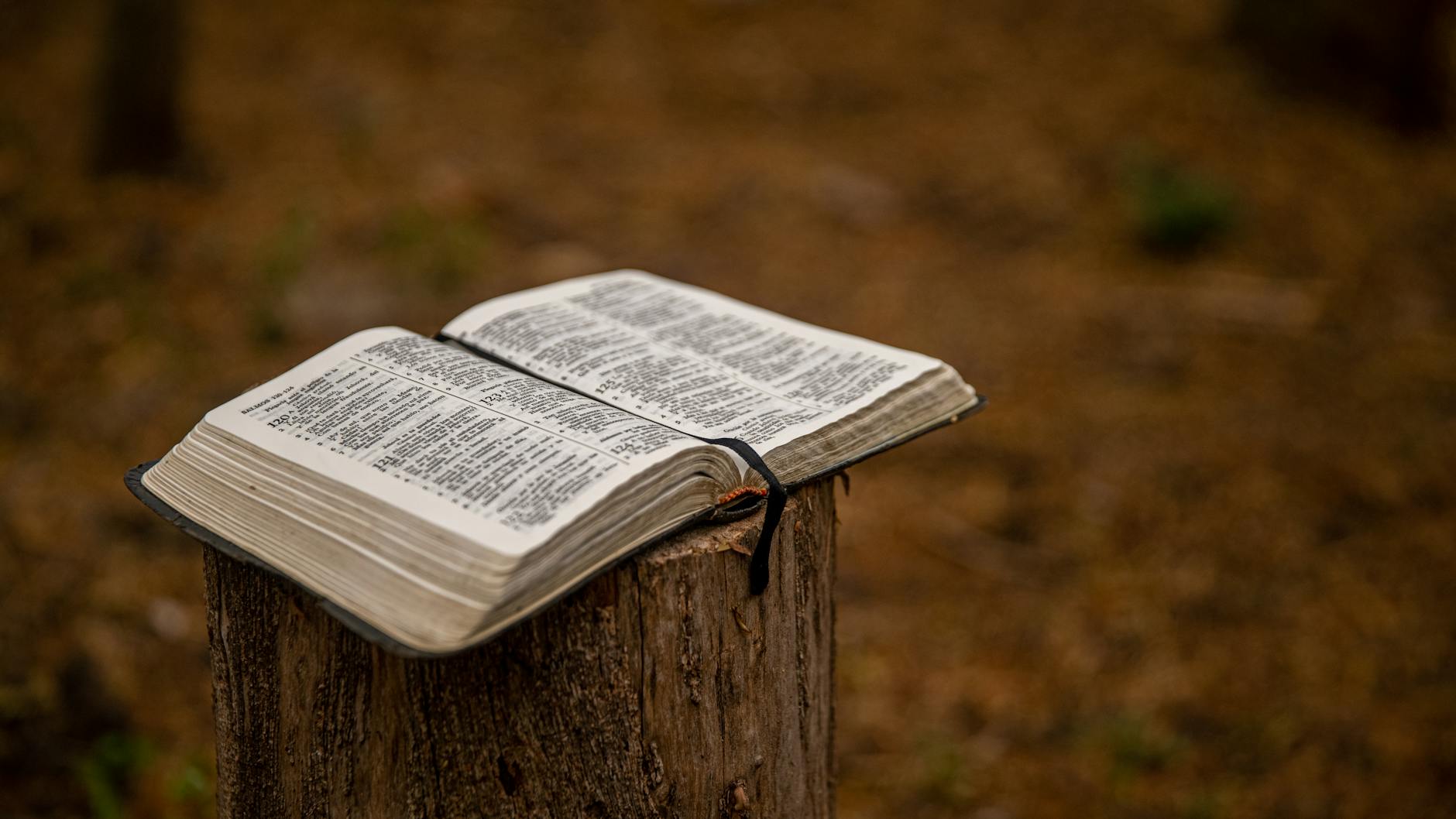
God Rejects Empty Religion (Zechariah 7-8).
Teaching Summary: Zechariah 7–8
Emphasis: God Rejects Empty Religion
Zechariah 7 — God Exposes the Hypocrisy of False Fasting
1. The Question That Reveals the Heart (7:1–3)
- A delegation asks whether they should continue the traditional fasts.
- Their concern is ritual correctness, not relational faithfulness.
- They want to know what religious practice to maintain, not what God desires.
2. God’s Rebuke: “Your Fasts Were Never for Me” (7:4–7)
- God confronts the motive behind seventy years of fasting:
- “Did you really fast for Me?”
- “When you eat and drink, is it not for yourselves?”
- Their religious activity was self‑focused, not God‑focused.
- God reminds them: He had already told their ancestors what He wanted—obedience, not performance.
3. What God Actually Requires (7:8–10)
- True worship expresses itself in ethical faithfulness, not ritual observance:
- Practice true justice.
- Show compassion and mercy.
- Do not oppress the widow, orphan, foreigner, or poor.
- Do not plot evil against one another.
- God rejects religious practices that are disconnected from love, justice, and neighbor‑care.
4. The Tragic Pattern of Empty Religion (7:11–14)
- The previous generation:
- Refused to listen.
- Turned their backs.
- Stopped their ears.
- Hardened their hearts “like diamond.”
- Because they ignored God’s voice, God ignored their cries.
- Their empty religion led to exile, desolation, and judgment.
Zechariah 8 — God Blesses True Faithfulness
1. God’s Zeal for His People (8:1–3)
- God passionately loves Zion.
- He returns to dwell in Jerusalem.
- The city becomes:
- Truthful City
- Holy Mountain
- God’s presence transforms the community from the inside out.
2. A Vision of Restored Life (8:4–6)
- Elderly people sitting safely in the streets.
- Children playing freely.
- What seems impossible to the remnant is not difficult for God.
3. God Restores Covenant Relationship (8:7–8)
- God gathers His people from east and west.
- He reestablishes the covenant:
“They will be My people, and I will be their God in truth and righteousness.”
4. Strength for the Work (8:9–13)
- Before rebuilding, life was harsh—no wages, no peace, constant conflict.
- Now God promises:
- Peaceful sowing.
- Fruitful vines.
- Productive land.
- Refreshing dew.
- Israel, once a curse, will become a blessing.
- “Do not fear—be strong!”
5. God’s New Intention: To Do Good (8:14–17)
- As God once planned judgment, now He plans blessing.
- But His people must reflect His character:
- Speak truth.
- Render righteous judgments.
- Reject evil plans.
- Avoid false oaths.
- God hates the behaviors that hollow out community trust.
6. Fasts Become Feasts (8:18–19)
- The fasts of mourning will become joyful celebrations.
- But only when the people “love truth and peace.”
- True fasting leads to joy because it aligns the heart with God’s will.
7. A Global Turning to the Lord (8:20–23)
- Many nations will seek the Lord in Jerusalem.
- People will encourage each other: “Let’s go seek the Lord!”
- Ten people from every nation will grab the robe of a Jew and say:
- “We want to go with you, for God is with you.”
- A restored people become a magnet of God’s presence to the world.
Overall Themes (with Emphasis on God Rejecting Empty Religion)
1. God Rejects Empty Religion
- Rituals without obedience are worthless.
- Fasting without justice is hypocrisy.
- God is not impressed by religious performance—He desires hearts aligned with His character.
2. True Worship Is Ethical, Relational, and Compassionate
- Justice, mercy, and love for neighbor are the true expressions of devotion.
- God’s people must reflect God’s heart.
3. Hardened Hearts Lead to Judgment
- Israel’s past exile was the result of ignoring God’s voice.
- Spiritual deafness leads to spiritual ruin.
4. God’s Presence Transforms His People
- When God returns to Zion, the city becomes truthful, holy, and safe.
- God’s presence produces flourishing.
5. God Turns Mourning into Joy
- Fasts become feasts.
- Sorrow becomes celebration.
- God’s restoration reverses the effects of sin and exile.
6. God’s Restored People Become a Witness to the Nations
- The world is drawn to a community where God is visibly present.
- Israel becomes a blessing to the nations.

 Devotions