
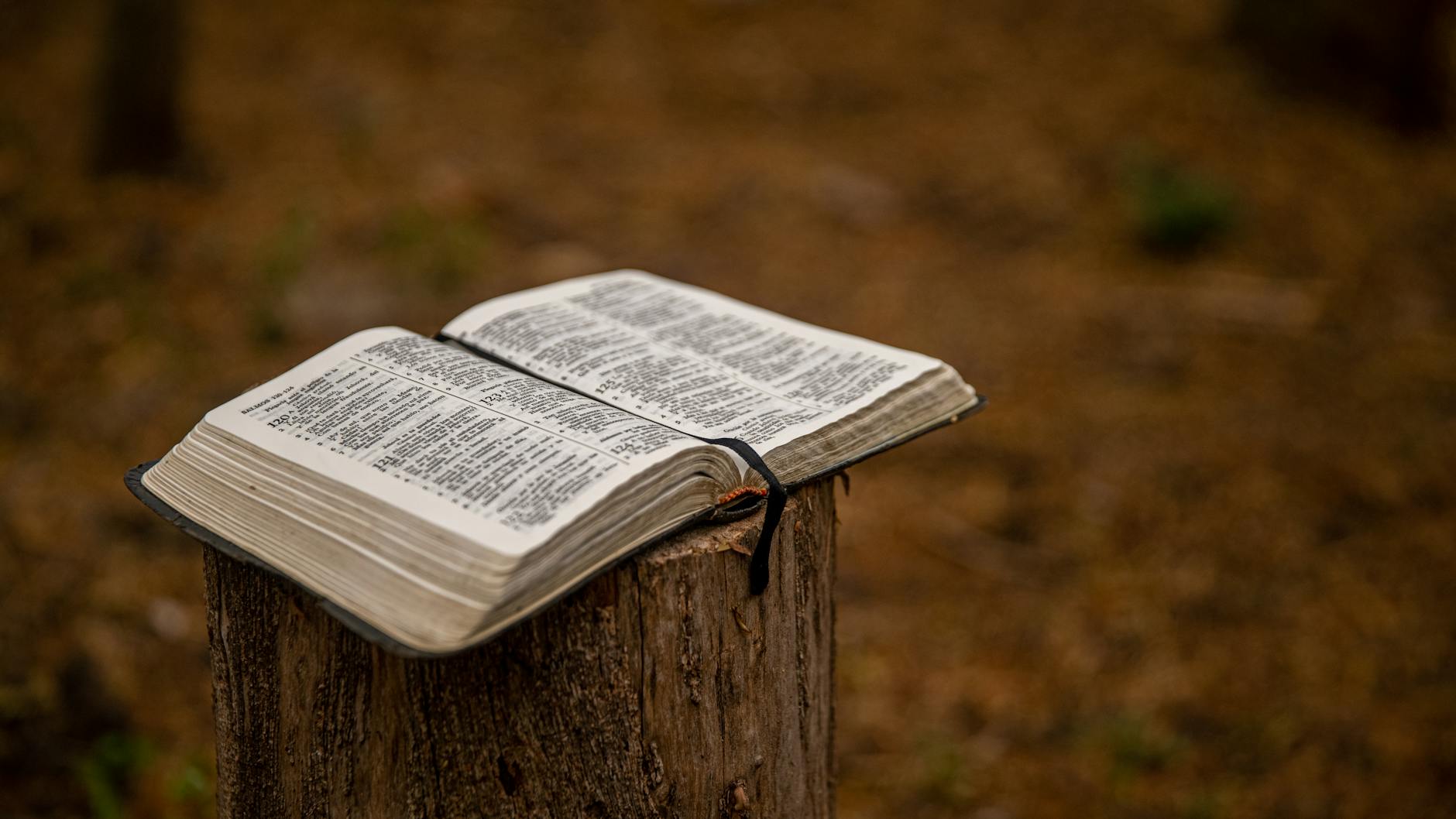
When God Cleanses, God Completes (Zechariah 5–6).
I. God Confronts Hidden Sin (Zechariah 5:1–4 — The Flying Scroll)
A. The Scroll of Judgment
- A massive flying scroll—public, visible, unavoidable.
- Represents God’s covenant curse going out over the land.
B. God’s Word Exposes Sin
- Two sins highlighted:
- Stealing (horizontal sin against neighbor)
- False swearing (vertical sin against God)
- Together, they represent the whole Law.
C. God’s Judgment Is Personal and Penetrating
- The scroll enters the house of the guilty.
- It settles, dismantles, and destroys—“timber and stones.”
- Application: God’s restoration requires honest confrontation with sin.
- No revival without repentance.
- No rebuilding without cleansing.
II. God Removes Systemic Wickedness (Zechariah 5:5–11 — The Ephah)
A. Wickedness Identified
- A measuring basket—symbol of commerce and daily life.
- A woman inside—Wickedness personified.
- A heavy lead cover—God restrains what His people cannot.
B. Wickedness Removed
- Two winged women carry the basket away.
- Wickedness is exiled to Babylon—the biblical symbol of organized rebellion.
C. God Purifies His People at Every Level
- Not just individual sins (scroll)
- But also embedded, cultural, economic corruption (ephah)
- Application: God’s people must reject both personal sin and the systems that normalize it.
III. God Rules the Nations and Brings Justice (Zechariah 6:1–8 — The Chariots)
A. The Chariots of Heaven
- Four chariots emerge from bronze mountains—God’s immovable judgment.
- Horses of various colors symbolize global reach.
B. God’s Sovereign Patrol
- These are the “four spirits of heaven.”
- They go out at God’s command to execute His purposes.
C. Judgment on the North Brings God Rest
- The north (Babylon) is judged.
- God’s Spirit finds rest—His justice is satisfied.
- Application: God’s people can rebuild because God has dealt with their oppressors.
IV. God Completes His Restoration Through the Messiah (Zechariah 6:9–15 — The Crowning of Joshua)
A. A Symbolic Coronation
- Joshua the high priest is crowned—an unusual, prophetic act.
- Points beyond Joshua to the coming Branch.
B. The Priest‑King
- The Branch will:
- Build the true temple
- Sit as King
- Serve as Priest
- Unite both offices in perfect harmony
C. A Global Future
- “Those far away” will join in building God’s temple.
- The crown becomes a memorial—hope made visible.
- Application: God’s restoration is ultimately messianic, global, and glorious.
V. The Big Idea: God Cleanses His People So He Can Complete His Work
A. God Confronts Sin (Vision 6)
- Personal sin must be exposed and removed.
B. God Removes Wickedness (Vision 7)
- Structural and cultural sin must be exiled.
C. God Establishes Justice (Vision 8)
- God’s sovereign rule clears the way for renewal.
D. God Sends the Messiah (Concluding Oracle)
- The Priest‑King builds the true temple.
- Restoration is not merely moral—it is messianic.
VI. Application for Today
1. Let God’s Word Search You
- The scroll still flies.
- God’s Word still exposes what we hide.
2. Let God Remove What You Cannot
- Some sins are too entrenched for self‑reform.
- God restrains and removes wickedness by His power.
3. Trust God’s Sovereign Justice
- He sees the nations.
- He governs history.
- He brings rest to His Spirit.
4. Fix Your Hope on the Priest‑King
- Jesus is the Branch.
- He builds the true temple—His people.
- He unites priestly mercy and kingly authority.

 Devotions